You know, when I was a kid, I thought DNA looked like a super cool twisty ladder! I mean, like, who wouldn’t want to climb that? But here’s the kicker: it’s not just a pretty structure. The shapes of these molecules really do some heavy lifting when it comes to how they work.
So, think about it. Ever wonder why your body can tell the difference between a gene for blue eyes and one for brown? It all comes down to the chemical structures hanging out in those nucleic acids. Wild, right?
We usually think of genes as this mystical code, but they’re really shaped by those tiny building blocks. It’s fascinating how something so small can have such a big influence on our lives! Let’s poke around at how these chemical structures play their part in the grand theater of life. You ready?
Understanding the Chemical Structure and Function of Nucleic Acids in Molecular Biology
You know, when we talk about molecular biology, nucleic acids are like the superstar players. They come in two main types: DNA and RNA. Each of them has a unique structure that’s crucial for their function. Let’s break it down!
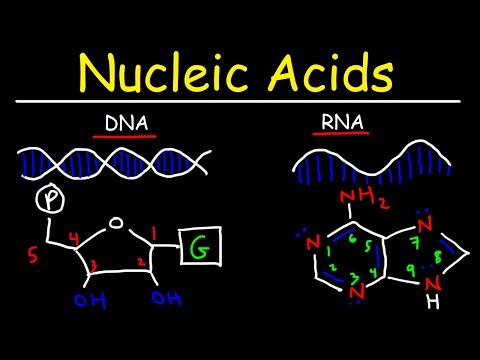
First off, let’s chat about DNA. Think of it as a twisted ladder—or what scientists call a double helix. It’s made up of nucleotides, which are the building blocks. Each nucleotide has three parts: a sugar called deoxyribose, a phosphate group, and one of four nitrogenous bases: adenine (A), thymine (T), cytosine (C), and guanine (G).
When you put these nucleotides together, they form long strands. The cool thing is how they pair up! A always pairs with T and C with G through hydrogen bonds. This pairing is essential because it helps ensure accurate copying of genetic information during cell division.
- Structure: The double helix protects the genetic code while allowing it to be accessed when needed.
- Function: DNA stores all the instructions needed for building and maintaining an organism.
Now, let’s switch gears to RNA. This molecule is usually single-stranded and has ribose sugar instead of deoxyribose, which makes it slightly different from DNA. Also, instead of thymine, RNA has uracil (U). So when you see A in RNA, it pairs with U instead of T.
The structure might seem simpler than DNA’s double helix but don’t be fooled! RNA can fold into various shapes that allow it to perform different jobs—like mRNA carrying messages from DNA to ribosomes where proteins are made!
- Different types:
- mRNA: Messenger RNA carries instructions for protein synthesis.
- tRNA: Transfer RNA brings amino acids to ribosomes.
- rRNA: Ribosomal RNA makes up part of the ribosome itself.
- Main role: RNA plays various roles in regulating gene expression and synthesizing proteins.
You know what’s really amazing? Despite their differences in structure and function, both DNA and RNA share a common goal: they work together to ensure that your body runs smoothly! Like best friends tackling challenges side by side!
The way nucleic acids interact with each other is crucial too. For instance, during protein synthesis, DNA sends out instructions through mRNA which translates into proteins—the workhorses of your cells.
This chemical structure isn’t just a random arrangement; every little detail matters in how these molecules function within living organisms. So next time you hear about nucleic acids remember: it’s not just some science jargon—they’re fundamental to life itself!
Nucleic acids are awe-inspiring molecules that not only define what living organisms are but also how they operate at the most basic level—through their unique chemical structures that guide their diverse functions!
Understanding the Structural Determinants of Nucleic Acid Shapes in Molecular Biology
Nucleic acids, like DNA and RNA, are the molecules that hold the genetic blueprints of life. Their shapes are crucial for their functions. So, what determines these shapes? Well, let’s break it down.
First off, the backbone structure of nucleic acids plays a huge role. You know how a necklace is strung on a chain? That’s kind of like the sugar-phosphate backbone in nucleic acids. This backbone forms the basic outline for the nucleic acid structure, and it gives stability to whatever shape they take on.
Then there’s the nucleotide composition. Nucleotides are the building blocks made up of three parts: a sugar, a phosphate group, and a nitrogenous base. The specific order of these bases—adenine (A), thymine (T), cytosine (C), and guanine (G) in DNA, or uracil (U) replacing T in RNA—can lead to different folds and configurations. Imagine each base has a personality; together they can make some pretty interesting shapes based on how they like to hang out with one another!
Another key factor is hydrogen bonding. This is where things get cozy! The bases pair up through hydrogen bonds: A pairs with T (or U in RNA), and C pairs with G. These bonds can be strong or weak depending on how many there are—two for A-T/U pairs and three for C-G pairs. This pairing not only holds the two strands of DNA together but also influences how tightly or loosely they coil up.
You might have heard about secondary structures, especially when talking about RNA. These structures include hairpins and loops formed by intramolecular interactions—kind of like when you fold a piece of paper into origami! The way it folds helps RNA perform its roles, like acting as messengers or even catalysts in some reactions.
Let’s not forget about environmental factors, either! Things like pH, temperature, and even ion concentrations can affect nucleic acid shapes too. For instance, at higher temperatures, DNA can start to unwind—a little like how ice cream melts on a hot day! This is important because it impacts replication and transcription processes.
Finally, you’ve got protein interactions. Nucleic acids don’t work alone; they often hang out with proteins that bind to them. These proteins can induce changes in nucleic acid shape based on what they need to do—like opening up sections for reading genetic information or wrapping it up tight for storage.
So basically, understanding these structural determinants helps scientists figure out how genes express themselves in living organisms. It’s all interconnected—it’s not just about what the building blocks are but also about how they interact with each other and their surroundings!
Pretty cool stuff happening within those tiny strands of life!
Identifying Nucleic Acids through Chemical Structure Analysis: A Comprehensive Guide
Nucleic acids are like the blueprints of life. They hold all the instructions for making us who we are. There are two main types: DNA and RNA. Understanding their chemical structure is pretty cool because it helps us figure out how they work.
Let’s break it down. The basic building blocks of nucleic acids are called nucleotides. Every nucleotide has three parts: a sugar, a phosphate group, and a nitrogenous base. The sugar in DNA is deoxyribose, while in RNA it’s ribose. You follow me? This difference seems small but changes everything!
The nitrogenous bases can be categorized into two groups: purines and pyrimidines. Purines include adenine (A) and guanine (G), whereas pyrimidines are cytosine (C), thymine (T) for DNA, and uracil (U) for RNA. These bases pair up in specific ways: A with T or U, and G with C. This pairing is crucial—it’s what keeps the structure of nucleic acids stable.
Now, onto the actual identification part! When scientists analyze these structures, they often use techniques like NMR spectroscopy or X-ray crystallography. These methods help visualize how nucleotides come together to form long strands of DNA or RNA.
So why does knowing the structure matter? Think about it—if we know how nucleic acids look and function, we can understand things like gene expression or mutations that cause diseases. Crazy, right?
When analyzing the chemical structures, also consider aspects like backbone stability—which involves those phosphate groups holding everything together—and how they influence the function of nucleic acids in various biological processes. The way these strands twist into double helices or fold up can change their role within cells too.
Don’t forget about modifications! Chemical changes to nucleotides can affect their performance significantly. For instance, methylation on cytosine can play a big role in gene regulation; it’s almost like flipping a switch.
In summary:
- Nucleotides make up nucleic acids.
- The sugar differs between DNA (deoxyribose) and RNA (ribose).
- Bases pair together specifically.
- Structural analysis reveals their functions.
- Chemical modifications influence activity.
All this stuff ties back into understanding life at its core level—tiny molecules working together to create something beautifully complex! So next time you think about your genetic makeup or how proteins are made from these codes, remember that it’s all rooted in that cool chemistry happening inside every cell!
You know, when you think about nucleic acids, like DNA and RNA, it’s almost mind-blowing how these tiny molecules hold the keys to life itself. I mean, just picture the double helix of DNA. Those twisted ladders are made up of really simple building blocks called nucleotides. But what’s super cool is how the specific arrangements of these nucleotides – that’s their chemical structure – actually shape their function in the cell.
I remember a time in high school biology class when we got to build models of DNA using colored beads. It was such a fun activity! At first glance, those beads seemed like just colorful decorations. But once we started connecting them according to base pairing rules – adenine with thymine and guanine with cytosine – it clicked for me! Each sequence of these beads (or bases) is like a message waiting to be read by your cells to make proteins or replicate themselves. It sounds simple, but there’s so much complexity and beauty involved!
But here’s where it gets really interesting: the structural differences between DNA and RNA mean they play different roles in our bodies. DNA has that stable double-helical structure which protects its genetic information from damage over time. On the other hand, RNA is often single-stranded and much more versatile. This flexibility allows RNA to fold into shapes that are necessary for carrying out various functions like translating genetic codes into proteins or even catalyzing biochemical reactions.
And speaking of those structures, did you know that sometimes even minor changes in a nucleic acid’s structure can lead to major differences in function? For example, a slight alteration in a nucleotide might result in a mutation that could change how our bodies produce certain proteins – kind of wild when you think about it! This can lead to everything from harmless variations among people (like your eye color) to serious conditions.
So yeah, these chemical structures might look pretty basic at first glance, but they are intricate key players in the grand game of life. Sometimes you realize that something so small packs such a massive punch—and that’s part of what makes science so incredibly exciting!