You know that moment when you wake up and can’t see anything because your eyes are all crusty? Yeah, I mean, who hasn’t been there? It’s like a mini horror movie every morning.
But honestly, our eyes are pretty amazing. They’re like small cameras, but way cooler. You’ve got this intricate setup of lenses and tissues that work together to help you see everything from the smallest details to breathtaking landscapes.
And get this: your eye has around 2 million moving parts! How wild is that? This whole system is designed to do one thing—let you experience the world around you.
So let’s dig into it, shall we? We’ll unravel the complex structure of the human eye and discover what makes it tick—or, well, see!
Unraveling the Complex Structure of the Human Eye: A Comprehensive PDF Guide for Scientific Exploration
The human eye is such a complex and fascinating organ. Seriously, it’s like a tiny universe of its own, working tirelessly to give us the gift of sight. So, let’s break it down, shall we?
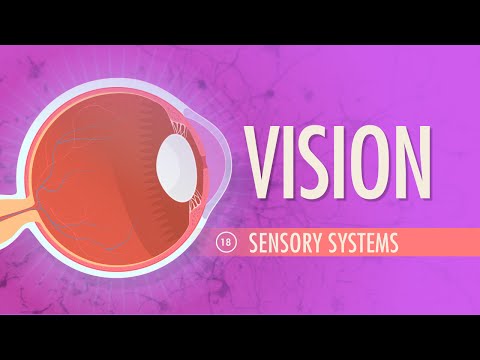
First off, let’s talk about the main parts of the eye. You’ve got your cornea, which is that clear dome at the front. It helps to focus light coming in. Behind that is the iris—the colorful part! It controls how much light gets in by adjusting the size of the pupil, which is basically a little opening in the middle.
Next comes the lens. This part is super cool because it changes shape to help focus on things at different distances. Kind of like when you squint to see something far away—you know? Then we have the retina at the back. This part is crucial; it’s packed with tiny cells that convert light into signals for your brain. Imagine a camera capturing an image—that’s what your retina does!
Now, you might be asking how all these parts work together. Great question! The eye functions as an optical system. Light enters through the cornea, passes through the pupil where the iris regulates it, and then hits that flexible lens before finally reaching the retina. All this happens really fast!
Once those special cells in your retina pick up light signals, they send messages via the optic nerve to your brain. The brain takes all this information and creates a picture—like an artist painting with colors and shapes.
It’s not just about seeing things clearly; eyes have some pretty amazing features too! Some people have better night vision or can see more colors than others because of variations in their eyes’ structures.
And here’s something I find pretty wild: the human eye can distinguish about 10 million different colors! Isn’t that just mind-blowing? It means our vision isn’t just black and white; it’s rich with details.
Sometimes though, our eyes can face issues due to their complex nature. Conditions like myopia (nearsightedness) or hyperopia (farsightedness) happen when light doesn’t focus properly on the retina. You might have noticed this yourself if you’ve ever needed glasses!
To wrap this up, appreciating how intricate our eyes are can change how we see—and I mean that literally! When you think about every little detail involved in seeing something as simple as a flower or your friend’s smile, it’s pretty awe-inspiring.
So next time you blink or notice a beautiful sunset, remember there’s so much happening inside those little organs working hard 24/7 for you!
Comprehensive Guide to the Anatomy and Function of the Human Eye: Downloadable PDF Resource for Scientific Study
Sure, the human eye is pretty mind-blowing when you start to think about it. Let’s break it down into bite-size pieces, so it’s easier to chew on, you know?
The Basics of Eye Anatomy
The human eye is like a super high-tech camera. You’ve got the cornea, which is the clear front part that helps focus light. It’s a bit like a lens; it bends light rays to help you see clearly. Right behind it is the iris, the colorful part that changes size depending on how much light is around. So when it gets dark, your iris opens up more to let in extra light—fascinating, isn’t it?
Then there’s the pupil, which is basically just an opening in the center of your iris. Think of it as your eye’s way of adjusting exposure. When you’re out in bright sunlight, your pupil shrinks to prevent too much light from flooding in. And in dimmer areas? It expands—like magic!
The Lens and Retina
Next up is the lens. This flexible structure changes shape to help your eyes focus on objects at different distances—200 yards away or just inches! It’s like zooming in and out with a camera. All this adjusted light then hits the retina, which is kind of like a movie screen at the back of your eye.
The retina has special cells called rods and cones that react to light. Rods help with night vision and are super sensitive but can’t detect color, while cones handle color vision and work best in bright lights. Isn’t it cool how they work together?
The Optic Nerve
After your retina captures all this visual information, it sends signals through the optic nerve. This nerve acts like an internet cable connecting your eyes to your brain! The brain processes these signals into images we recognize as what we’re looking at.
Eye Health and Care
It’s important not to overlook eye health. Simple things like eating carrots (they’re good for you!) or wearing sunglasses outside can make a difference. Regular check-ups can catch issues early too.
So there you have it: a quick tour through why we can see all this beauty around us! Our eyes are complex little wonders that work hard every day for us! Remember, taking care of them lets us enjoy life’s sights even more!
Comprehensive Guide to the Physiology of the Eye: Downloadable PDF Resource for Science Students
The human eye is one of the most complex and fascinating organs in our body. Seriously, it’s like a mini miracle! So, let’s explore some of its cool aspects without getting too bogged down in the nitty-gritty.
First off, the eye is mainly made up of three layers:
- Outer Layer: This includes the cornea and sclera. The cornea is that crystal-clear part at the front that helps focus light. It’s super sensitive, so when something gets in your eye, you really feel it!
- Middle Layer: Known as the uvea, this layer has several components like the iris (which gives your eye its color), ciliary body, and choroid. The iris controls how much light gets into your eye by changing size.
- Inner Layer: This is where things get really interesting. The retina sits at the back of your eye and contains photoreceptor cells called rods and cones. Rods help you see in low light, while cones are for color vision.
Now, let’s talk about how these parts work together! When light enters your eye through the cornea, it bends a little bit to focus better on your retina. This bending is called refraction. Your lens also plays a role in focusing light; it changes shape to help you see things clearly at different distances.
You know what’s even cooler? Your retina sends those images to your brain via the optic nerve. It’s like sending little messages saying, “Hey brain! Check out this amazing view!” But here’s where it gets a bit wild: when light hits the retina, it actually flips the image upside down! Your brain then flips it back—like magic!
But wait! There are other neat features worth mentioning:
- Pupil Reflex: Ever noticed how your pupils get bigger or smaller? That’s because they adjust to different lighting conditions.
- Tears: They’re not just for drama! Tears keep everything moist and help wash away debris—think of them as nature’s own cleaner!
And if you’ve ever experienced a moment where suddenly everything looks blurry? That might be due to something called myopia, which means nearsightedness. Basically, your eyeball is a tad too long or your cornea is too curved.
All these parts working together create what we experience as sight—a sense that shapes our lives every single day!
So next time you take a moment to appreciate that sunset or admire art in a gallery, remember there’s so much going on in those peepers of yours. The way everything interacts—like an intricate dance—is truly awe-inspiring.
If you’re diving deeper into this topic for school or just out of curiosity, maybe look around for some downloadable resources or PDFs on eye physiology—they can be super helpful! Just remember to keep questioning what you see because every glance holds mysteries waiting to be uncovered.
You know, the human eye is such a remarkable piece of biology. It’s kind of mind-blowing when you think about how all these tiny parts work together to let us see the world. Seriously, have you ever paused to just appreciate how you can spot a friend from across a park or see a beautiful sunset? There’s so much going on in that little orb.
Okay, let’s break it down a bit, shall we? The eye isn’t just like a camera snapping pictures; it’s way more complicated than that. First off, we’ve got this transparent layer called the cornea at the front. It’s like the window to your soul! Light enters through here and gets bent – or refracted – to help focus it. That bending action? Super important!
Once light passes through the cornea, it heads into the iris, which is that colorful part of your eye. This guy controls how much light gets in by adjusting the size of the pupil – basically like opening or closing curtains depending on how bright it is outside. It’s wild to think about how our bodies have adapted over time to help us see better in different lighting.
And then there’s the lens! This flexible little thing changes shape so we can focus on things close up or far away. It’s kind of like zooming in with your camera but done organically by our bodies! I remember once when my friend tried to read without her glasses at dinner and squinted so hard that she looked like she was doing some sort of weird eye workout. That made me realize just how essential good vision really is.
But wait, we’re not done yet! After all that bending and focusing, light finally hits the retina at the back of our eyes—this is where all those signals get sent off to our brains via the optic nerve. I mean, think about it: your brain interprets those signals into images, colors, and shapes! So every time you see something beautiful—a painting or your puppy doing flips—you’re witnessing this incredible process taking place.
It all makes me feel pretty humble when I consider how complex yet efficient our eyes are. Nature really knows what it’s doing! There’s still so much research going on too; scientists are constantly discovering new things about vision and how our eyes function.
So yeah, next time you’re watching a sunset or even scrolling through your phone (which might not be as breathtaking), remember that there’s an entire universe working behind those peepers of yours! Just think about all those tiny parts – essentially working together as a team—to bring life into view for you every day. Pretty cool stuff if you ask me!