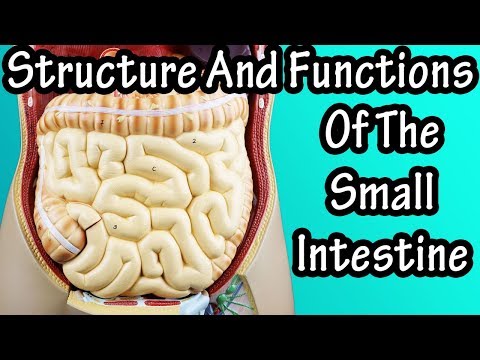
So, picture this: you just finished a plate of your favorite pasta, and you’re feeling pretty stuffed. But did you know that what happens next is like a wild party in your small intestine? Yeah, seriously!
This little champ is not so little when it comes to its job. It’s like the unsung hero of digestion, working nonstop to absorb all those nutrients from your food. And honestly, most people don’t even know how cool it really is!
Think about it—this squiggly tube about 20 feet long has a wild structure that looks like a complex maze. It’s busy breaking down all those tasty bites and making sure your body gets what it needs. That’s kind of impressive, right?
Let’s take a closer look at the small intestine—its crazy architecture and its super important functions. I promise you’ll never look at your meals the same way again!
Exploring Intestinal Anatomy: Understanding the Structure and Function of the Digestive System
Alright, so let’s talk about the amazing world inside your belly, specifically the small intestine. This part of your digestive system is like the ultimate food-processing factory. It’s where all that delicious stuff you eat gets actually broken down and absorbed into your body. Cool, right?
The small intestine is roughly 20 feet long and coiled up in your abdomen like a living snake. It has three main sections: the duodenum, jejunum, and ileum. Each has its own job to do in aiding digestion.
Duodenum: This is the first section, and it’s super important because this is where most of the digestion happens. Imagine it as a mixing bowl for food! Here, enzymes from your pancreas mix with bile from your liver to break down fats, proteins, and carbs. Without this step, you wouldn’t be able to absorb any nutrients. Pretty crucial!
Jejunum: Next up is the jejunum. This part does a lot of heavy lifting when it comes to nutrient absorption. Its walls are lined with tiny finger-like projections called villi that grab onto those nutrients and send them into your bloodstream. Think of these villi as little sponges soaking up all the goodness from what you eat.
Ileum: Finally, we have the ileum, which connects to your large intestine. It absorbs leftover nutrients and vitamin B12 too! After all that hard work in the small intestine, what’s left over isn’t waste just yet—it still has stuff we need!
So why do we care about this whole process? Well, if any part of this system doesn’t work properly—like say there’s a blockage or inflammation—you can run into some serious digestive issues like cramps or diarrhea.
The small intestine also plays an essential role in your immune system! Yep! About 70% of your immune cells are found here because it protects you from harmful bacteria while allowing nutrients through. It’s like having a security guard for all that delicious food going into your body!
- The surface area of the small intestine is massive—about the size of a tennis court when you factor in those villi and microvilli!
- This area helps with absorption efficiency so you can get energy from even small amounts of food.
- Your gut flora also does its thing here by helping break down certain fibers that our body can’t otherwise digest.
You know what? The human body is just incredible—so much happening behind-the-scenes every time you eat! Each bite gives your small intestine some serious work to do.
Unlocking the Unique Structure of the Small Intestine: Insights into Digestive Science
The small intestine is pretty amazing, right? It’s this long, winding tube in your body that plays a crucial role in digestion. Seriously, it’s where most of the magic happens when your body breaks down food. Let’s break it down a bit—pun intended!
Structure
The small intestine is divided into three main parts: the duodenum, jejunum, and ileum. Picture the duodenum as the starting line for digestion—it’s where food first meets those digestive juices from the pancreas and bile from the liver.
Then comes the jejunum, which is where most of the nutrients get absorbed. It’s like a sponge soaking up all those good vitamins and minerals you get from what you eat. Finally, there’s the ileum, which is longer than both of its siblings combined! This part finishes off nutrient absorption and also helps to push waste along to be eliminated.
Surface Area
Now, here’s something cool: to maximize how much food it can absorb, the inside of your small intestine has this incredible structure. Imagine tiny finger-like projections called villi covering its walls. Each of these villi is covered with even tinier hair-like structures called microvilli—kind of like a fuzzy blanket that increases surface area!
You might be thinking: why does that matter? Well, more surface area means more room for nutrients to get absorbed into your bloodstream. If you spread out all those villi and microvilli flat on a table, they’d cover an area roughly the size of a tennis court! Isn’t that wild?
Diverse Functions
The functions don’t stop there; let me tell you about some other key roles:
So imagine this bustling marketplace where each villus and microvillus is busy exchanging goods—nutrients for energy—and keeping everything running smoothly.
The Role of Bacteria
Oh! And let’s not forget about gut bacteria; they’re like little helpers in our digestive system. They ferment certain substances that we can’t digest ourselves and help create some vitamins in return. It’s like having your own tiny farm working for you 24/7.
Anecdote Time
A while back, I had this friend who thought he could live on just fast food—yikes! He ended up feeling sluggish all the time because his small intestine wasn’t getting enough good stuff to absorb. After he switched to healthier options packed with fruits and veggies? His energy levels shot up! It’s incredible how what we eat directly impacts our body’s ability to function.
In summary, understanding the unique structure of the small intestine gives us insight into how our bodies extract vital nutrients from food. So next time you enjoy a meal full of colorful veggies or wholesome grains, remember that incredible journey happening inside you! Your small intestine truly deserves some credit for all its hard work.
Exploring the Four Essential Functions of the Small Intestine in Human Digestion
The small intestine is seriously one of the most fascinating parts of your digestive system. I mean, it’s super long—about 20 feet!—and plays a crucial role in breaking down the food you eat. So, let’s get into the four essential functions of this remarkable organ.
1. Digestion
First off, the small intestine is where most of the digestion happens. When food leaves your stomach, it’s still pretty chunky and needs to be broken down even more. Picture yourself trying to cut up an apple with a dull knife—that’s what your stomach does with food. The small intestine uses enzymes from the pancreas and bile from the liver to turn that chunky food into a soupy mixture called chyme. This is where things get real interesting!
2. Absorption
Once everything’s broken down, the next big job is absorption. The walls of the small intestine are covered in tiny finger-like projections called villi. These are like little sponges soaking up nutrients from that soupy mixture. Can you imagine squeezing out all that goodness into your bloodstream? That’s what happens! Nutrients, vitamins, and minerals get absorbed here and sent off to where they’re needed in your body.
3. Transportation
Now, you’d think all this action might be chaotic, right? But nope! The small intestine has its own way of organizing things, thanks to some smooth muscle contractions called peristalsis. It’s like a wave that moves through the intestine to push the contents along—kinda like a rollercoaster for food! This wave-like motion helps mix everything more thoroughly while moving it toward the large intestine.
4. Immunity
Finally, let’s talk about immunity because this might surprise you. The small intestine isn’t just for digestion; it also acts as a barrier against harmful bacteria and pathogens trying to hitch a ride on your food! It has special immune cells and tissues called Peyer’s patches that monitor what comes in and helps keep you healthy.
So there you go! Your small intestine isn’t just a long tube; it’s performing some seriously amazing functions every day without you even thinking about it—talk about hard work! If you’ve ever had those cozy moments after eating when everything feels settled down in your belly, just remember: it’s not only good food; it’s also thanks to your fantastic little friend—the small intestine!
The small intestine, wow, what a fascinating part of our body! It’s like this super long, coiled tube that’s basically the star player of our digestive system. So, here’s the thing: while we often think about what we eat and how it tastes, we rarely stop to think about what happens once it all goes down the hatch. And that’s where the small intestine shines.
Picture this: you’ve just bitten into a delicious slice of pizza. You savor each bite and enjoy those cheesy goodness and tangy sauce. But once you swallow, your food begins its journey through your esophagus and into your stomach, where things start getting really interesting. After a little while in the stomach’s acidic environment, the food mushes around and exits into the small intestine. That’s where the magic truly happens!
The small intestine is seriously impressive—about twenty feet long in adults! Can you even imagine? And it’s not just one endless tube; it has three distinct parts: the duodenum, jejunum, and ileum. Each section has its own role to play in breaking down food even further and absorbing nutrients. The duodenum is like this action-packed starter zone where bile from your liver and enzymes from your pancreas join forces to tackle fats, proteins, and carbs.
Then there’s the jejunum and ileum which are more focused on absorbing those nutrients that are now smaller bits after all that processing. The inner walls of these sections are lined with tiny finger-like structures called villi—like nature’s own little straws! These villi scoop up vitamins, minerals, amino acids—you name it—and send them right into your bloodstream.
Here’s something cool: when I was little, I had this absolute fascination with how food could turn into energy for my body. I would watch my mom cook meals and be in awe of how much went into each dish. But as I grew older and learned about digestion—especially the small intestine—I realized it was way more than just cooking; it was a complex ballet of science unfolding inside us!
But with great complexity comes challenges too! Sometimes things don’t go as planned; for example, conditions like celiac disease can mess with nutrient absorption because people can’t tolerate gluten—and that can lead to serious health issues over time.
So yeah, when we take a moment to appreciate our small intestine—it really is kind of mind-blowing! It works silently behind-the-scenes but plays such an essential role in keeping us healthy by turning what we eat into something our bodies can actually use. Next time you enjoy a meal, maybe take a second to thank this incredible organ for all its hard work—it really deserves some credit!