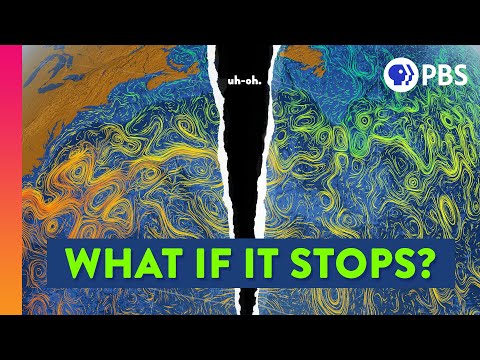
You know, I found this little fun fact the other day: some ocean currents are so powerful they can actually move entire countries’ worth of water. Seriously! Imagine a giant river flowing through the ocean, silently shifting and shaping everything in its path.
But it’s not just about the water moving around like it’s playing a game of tag. These shifts can have huge effects on marine life, weather patterns, and even our own shores. It’s kind of wild to think about how interconnected everything is, isn’t it?
I mean, one little change in a current can ripple out into the rest of the world—like a butterfly effect but with dolphins and climate. So, grab your favorite drink and let’s chat about what these shifts mean for our oceans and the creatures living in them. Trust me; it’s more interesting than you might think!
Understanding the Impact of Ocean Currents on Environmental Dynamics in Marine Science
Ocean currents are like the highways of the sea. They transport water, nutrients, and even heat across vast distances. Just imagine swimming in a pool and feeling a current push you from one side to another. That’s kind of what happens on a much larger scale in our oceans.
The Importance of Ocean Currents
First off, currents play a significant role in regulating our planet’s climate. They help distribute heat from the equator towards the poles. When currents shift, it’s not just a minor detail; it can alter weather patterns dramatically. You know how sometimes it feels like winter is lasting forever? Well, changes in ocean currents can affect things like that!
Impact on Marine Life
Now let’s talk about marine ecosystems. Ocean currents carry nutrients that are crucial for marine life, especially phytoplankton, which are kinda like the plants of the ocean. When currents change direction or speed up, whole food chains can be disrupted. For instance:
- The Gulf Stream warms waters along the U.S. East Coast, supporting diverse marine life.
- If it weakens or shifts due to climate change, fish populations could decline drastically.
This actually happened when warm waters moved northward faster than usual—fish like cod struggled to survive in their traditional habitats.
Coral Reefs at Risk
And let’s not forget about coral reefs! These vibrant underwater ecosystems rely on stable temperatures and nutrient supply from currents. If those currents change:
- Corals may experience bleaching events if temperatures rise too quickly.
- A reduction in nutrient flow might starve these reefs.
When I traveled to Belize and snorkeled among those stunning reefs, I could see how alive they were with color and fish! But knowing that shifts in ocean currents could impact their survival is pretty alarming.
The Bigger Picture
You see, every little change matters! Shifts in ocean currents can trigger chain reactions that affect everything from local fishing communities to global weather systems. And as polar ice melts, fresh water changes salinity levels which influences current patterns even more.
The Road Ahead
Understanding these dynamics is essential for marine science and conservation efforts. It’s not just about protecting one species or area; it’s all interconnected! As researchers study these shifts more closely, we get better insights into potential ecological consequences that may arise from climate change—helping us make informed decisions moving forward.
So there you have it! Ocean currents may seem distant or abstract at times, but their ripple effects touch all aspects of our environment and life itself—a reminder of how everything is connected beneath those waves.
Exploring the Four Key Impacts of Climate Change on Ocean Ecosystems
Alright, so let’s chat about climate change and its impact on our oceans, specifically focusing on how it messes with ocean currents and what that means for marine ecosystems. First off, ocean currents are like the planet’s conveyor belts; they transport heat, nutrients, and even creatures from one place to another. But with climate change shaking things up, these currents are getting a makeover – and not the good kind.
One of the key changes we’re seeing is temperature shifts. As global temperatures rise, water heats up too. Warmer water doesn’t sink as easily as cooler water. Think about it like this: when you don’t want to get into a cold pool, you kind of just float around on top instead of diving in. That’s happening in the ocean! This leads to altered current patterns that can seriously disrupt the flow of nutrients needed for marine life.
- Disruption of Nutrient Flow: Currents carry nutrients from deep waters to the surface where sunlit areas support phytoplankton. If those currents slow down or shift entirely, nutrient-rich waters can struggle to make it to where they’re needed most.
- Species Migration: Many marine species depend on specific current patterns for breeding or feeding grounds. If their usual travel routes change because of shifting currents, fish and other marine life might find themselves in unfamiliar territory.
- Impact on Biodiversity: With species moving around more often, local ecosystems could face serious stress! You might lose some familiar fish while others show up unexpectedly; it’s like a culinary surprise at a restaurant where they change the menu overnight!
- Coral Bleaching: Changes in current patterns also affect coral reefs by altering temperature levels and reducing nutrient circulation—leading to stresses that cause coral bleaching, which is basically corals losing their color and health!
A little example here: think about cod fishing off New England. Traditionally abundant due to nutrient-rich waters flowing into their habitat, changing currents have led cod stocks to decline dramatically as they seek cooler waters further north. Fishermen are having a tough time keeping up with this shift.
The thing is, Lorem ipsum dolor, we haven’t even scratched the surface of what these changes mean long term! Marine ecosystems rely on stability; if you take away some predictability from ocean currents due to climate change, you’re looking at some serious consequences for everything from tiny plankton all the way up through the food chain.
You see? It’s not just about warmer temperatures—it’s about how those temperatures affect everything else underwater! Keeping an eye on ocean currents is crucial because any shifts can ripple through entire ecosystems leading to unexpected outcomes. And we really want to pay attention here; our oceans aren’t just pretty blue expanses—they’re vital parts of our Earth’s health!
Exploring the Five Key Effects of Ocean Currents on Global Climate and Marine Ecosystems
So, let’s chat about ocean currents and their role in shaping our planet. You might not think about it much, but these currents are like the highways of the sea, zipping water around the globe. And trust me, they’re super important for both global climate and marine ecosystems. Here are five key effects of ocean currents that totally matter:
- Regulating Climate: Ocean currents help distribute heat across the Earth. Warm water from the equator gets pushed towards the poles while cooler water moves back down. This process is crucial for maintaining a balanced climate. For instance, the Gulf Stream brings warm Caribbean waters to Europe, making places like England milder than you’d expect!
- Nutrient Transport: Currents carry nutrients from deep waters to the surface, where sunlight can fuel photosynthesis in plants like phytoplankton. This is the base of the marine food web! When currents shift—like during El Niño—the nutrient flow can be disrupted, leading to less productivity and affecting larger marine animals.
- Influencing Weather Patterns: Yup! Ocean currents are tied to our weather systems. For example, when warmer currents occur off the coast of South America during El Niño years, it can lead to wetter weather in some places and droughts in others around the world. It’s all interconnected.
- Affecting Sea Level Rise: Changes in ocean currents can also influence sea levels. If warm water expands as it heats up or if melting glaciers add more freshwater into oceans, it alters current patterns and can lead to higher seas along coastlines—a real concern for communities everywhere.
- Impacting Marine Species Migration: Shifts in current patterns often force fish and other marine species to change their migration routes in search of food or suitable habitats. For example, tuna might move northward as waters warm up because that’s where they find more of their favorite snacks!
Now imagine you’re on a boat out at sea with your friends during summer—sounds nice, right? But what if suddenly you noticed fewer fish hanging around? That could be a direct result of changing ocean currents impacting local ecosystems! It’s kind of alarming when you think about how these invisible highways affect everything from our dinner plates to our climate.
In short, ocean currents don’t just affect how warm or cold some countries feel—they play a major role in ecosystem health and global weather patterns too. So next time you’re near a beach or watching waves crash onshore, remember there’s so much happening below that surface!
Ocean currents, you know, they’re like the lifeblood of our planet’s oceans. They move warm water from the tropics toward the poles and cold water from the poles back down. It’s this beautiful dance that helps regulate our climate and supports marine life in all sorts of incredible ways. The thing is, these currents aren’t as stable as we might think.
I remember going to the beach one summer, and I was just a kid. The waves were crashing, surfers were riding the swells, and everything felt perfect. But then I overheard some adults talking about how water temperatures were changing and how it might affect local fisheries. That got me thinking… If just a bit of warmth changes things, what happens when ocean currents start shifting on a larger scale?
When we talk about shifts in ocean currents, it’s usually linked to climate change—rising global temperatures melt ice caps and change salinity levels. And this can mess with currents in ways that can be pretty wild! For example, if warm water doesn’t flow where it should or if cold water stays put longer than expected, you could see disruptions in weather patterns far away from where those changes actually happen.
These shifts can also take a toll on ecosystems. Fish species may migrate to cooler waters or even vanish if their home becomes inhospitable. Imagine entire communities relying on fishing suddenly finding their catch disappearing! It’s not just about food; it affects local economies and cultures too.
On a larger scale, this can even throw off nutrient cycles that sustain marine life. Algal blooms could become more frequent with changes in current patterns—think of toxic blooms that ruin beaches and harm sea creatures. Just picturing a vibrant coral reef fading away because ocean currents shifted makes my heart sink.
So yeah, while ocean currents seem almost invisible from the shorelines we enjoy so much, they have massive ripple effects on everything around us—climate stability, marine biodiversity, and human livelihoods are all tightly connected to how these flows work. It’s like when you’re trying to hold onto something slippery—it takes just one shift for everything to slip away unexpectedly! Keeping an eye on these changes is crucial because our oceans are speaking louder than ever; they’re telling us stories of adaptation and survival—and maybe some tales of warning too.