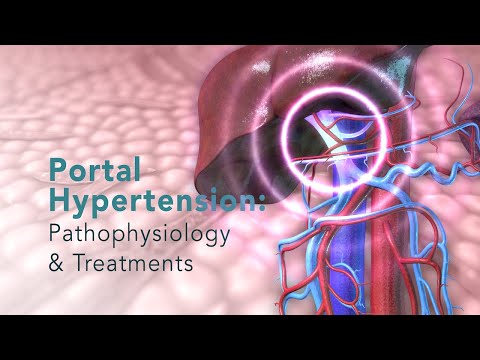
You know, the human body is kinda like a messy apartment—sometimes things just get backed up! Take portal hypertension, for instance. It’s this condition where the blood pressure in the portal vein, which ferries blood from your digestive organs to your liver, goes on a crazy ride and gets way too high.
Imagine it like a traffic jam on the highway but in your body. Frustrating, right? And if you think about it, that can lead to all sorts of chaos in there.
There’s more to this whole scenario than just elevated pressure; it can really shake things up in your liver and beyond! So let’s dig into what causes it and why you should care—because trust me, it’s not just a boring medical term that only doctors use!
Understanding Portal Hypertension: Causes and Consequences in Medical Science
Alright, let’s talk about portal hypertension! It’s a condition that can seem pretty complicated, but I promise it’s not all that scary once you break it down.
Portal hypertension basically happens when there’s increased pressure in the portal vein, which is this big blood vessel that carries blood from your digestive organs to your liver. When everything’s working right, this blood flow runs smoothly. But when something goes wrong, you can end up with some serious issues.
So what causes this uptick in pressure? There are a few main culprits:
- Cirrhosis: This is when liver cells get damaged and scarred, usually from things like alcohol abuse or chronic hepatitis. The scar tissue blocks blood flow and raises pressure.
- Budd-Chiari syndrome: This condition involves blood clots blocking the veins that drain the liver. It’s like putting a dam in a river; it backs up the flow.
- Schistosomiasis: A parasitic infection that affects the liver and can cause inflammation and obstruction in the portal vein.
- Heart failure: If your heart isn’t pumping well, it can lead to congestion in various parts of your body, including the liver.
Now that we know what might cause portal hypertension, let’s chat about its consequences. This isn’t just some medical jargon; it actually has real effects on people’s lives:
- Varices: These are enlarged veins that develop within the esophagus or stomach due to high pressure. They can burst and cause serious bleeding—definitely not fun!
- Ascites: This is when fluid builds up in the abdomen because of increased pressure in the veins leading to leaks. Imagine feeling like you’ve got a water balloon inside you; it’s uncomfortable!
- Splenomegaly: That’s just a fancy word for an enlarged spleen. It happens because more blood gets congested there—it’s trying to deal with all that extra pressure.
- Liver failure: If untreated, chronic portal hypertension can lead to liver failure over time, impacting every function of your body.
Think about someone you know with liver issues—perhaps they had too many late-night parties or didn’t take care of their health as they should have. Well, they might face these consequences due to portal hypertension.
For those living with this condition, management usually involves treating any underlying causes along with addressing symptoms. Medications might be prescribed to lower blood pressure in the portal system or even procedures like banding varices if risk factors for bleeding arise.
All said and done, understanding portal hypertension brings us one step closer to figuring out how we can help those suffering from its impacts live healthier lives! And who knows? Maybe one day we’ll find ways to prevent these complications altogether!
Understanding Common Complications of Portal Hypertension: Key Insights in Medical Science
Portal hypertension is basically when there’s increased pressure in the portal vein, which carries blood from the digestive organs to the liver. This situation can lead to some serious complications. Let’s break down what portal hypertension is all about and its common complications.
First off, what causes portal hypertension? Well, it usually happens due to liver diseases like cirrhosis, where the liver gets scarred from years of damage. When the liver gets all scar tissue-y, it can’t process blood properly. Blood starts backing up in the portal vein, leading to that high pressure situation.
But here’s where it gets tricky. The complications that develop can vary and impact different parts of your body:
- Esophageal varices: These are swollen veins in your esophagus that can rupture. Imagine trying to swallow a drink but instead feeling a burning sensation because those veins are bulging out! It’s super scary and can lead to significant bleeding.
- Ascites: This is fluid buildup in your abdomen. It’s like your belly turns into a water balloon! People often feel uncomfortable and may struggle with breathing because their lungs get squished by all that extra fluid.
- Splenomegaly: That’s just a fancy term for an enlarged spleen. It sits on the left side of your belly and helps filter blood. When there’s high pressure in the portal vein, it gets bigger — kind of like blowing air into a balloon until it can’t stretch anymore!
- Hepatic encephalopathy: So this one is kind of wild. It affects your brain function because toxins build up when the liver isn’t filtering well anymore. You might feel confused or even have mood swings—like suddenly getting really mad over nothing!
The pathophysiology, or how things happen inside your body with portal hypertension, involves complex interactions between blood flow dynamics and various organ systems. High blood pressure leads to changes in how blood flows through these organs, causing them to misbehave after some time.
The thing is, managing these complications usually requires a team approach—from doctors specializing in liver health to maybe even dieticians who help with nutrition strategies while you’re dealing with ascites or other issues.
A personal anecdote comes to mind here—you know my uncle? He had cirrhosis for years but ignored his symptoms until one day he ended up at the hospital with major bleeding from esophageal varices. It was terrifying for everyone involved! He got some treatment and had to make drastic lifestyle changes afterward.
This whole situation shows how vital it is for prompt diagnosis and treatment of portal hypertension so that those nasty complications don’t derail someone’s life permanently.
The ongoing research into options for treating these complications keeps hope alive for those affected by this condition as medical science evolves every day! It’s amazing what people are doing out there—so keep an eye out on advancements if you want more info!
If you or someone you know seems at risk or has symptoms pointing toward liver issues, don’t hesitate—reach out to a healthcare professional!
Understanding the Pathophysiology of Esophageal Varices and Portal Hypertension: Insights from Medical Science
So, let’s chat about esophageal varices and portal hypertension. These terms sound pretty heavy, huh? But once you break them down, they’re a lot more approachable than they seem. It’s like peeling an onion—there’s more to it than meets the eye!
First, portal hypertension is essentially high blood pressure in the portal vein, which is the big vessel that carries blood from your digestive organs to your liver. When there’s something wrong with the liver—like cirrhosis or liver disease—pressure starts building up in this vein. The thing is, your body doesn’t just sit back and relax when that happens.
So what happens next? Well, your body has a few tricks up its sleeve. To cope with this pressure buildup, it tries to find alternate routes for blood flow. Sometimes this leads to the development of new blood vessels. These little guys can pop up in places like the esophagus—that tube that connects your mouth to your stomach—and when those veins swell and bulge out, you get esophageal varices. Imagine them as tiny balloons ready to burst!
Now here’s where it gets even trickier: if those varices burst, you can have some serious bleeding. This isn’t just a little nosebleed; we’re talking about a medical emergency that requires immediate attention. It’s like that moment when you’re playing with balloons at a party and one pops unexpectedly—just not as fun!
A few key things contribute to this whole mess:
- Cirrhosis: This condition involves lasting damage to the liver often due to alcohol use or hepatitis infections.
- Portal vein thrombosis: Sometimes blood clots block the flow in the portal vein itself.
- Liver tumors: They can obstruct the normal flow of blood too.
- Abdominal conditions: Issues like pancreatitis may put pressure on surrounding veins.
You might be wondering how common these issues are. Well, roughly 25% of people with cirrhosis develop esophageal varices at some point! That’s significant because it means doctors need to keep an eye out for them.
And get this: just because someone has portal hypertension doesn’t mean they’ll have varices every time. It all depends on how severe things are and how much compensation your body can muster.
Dealing with esophageal varices often involves prevention strategies too—like regular screenings for those at risk or medication aimed at lowering blood pressure in the portal vein. In extreme cases where bleeding occurs, doctors might have to resort to procedures like band ligation or even surgery.
The importance of understanding all this? Well, it’s lifesaving information! By knowing how portal hypertension leads to esophageal varices and identifying risk factors early on, healthcare providers can really make a difference.
So next time you hear these terms thrown around in conversation or see them mentioned in health articles, you’ll know there’s a whole world behind them—a complex interplay between our bodies’ systems striving for balance amidst challenges!
Alright, so portal hypertension might sound like something out of a medical textbook, but it’s actually pretty relatable. Imagine you’re at a really packed concert and you’re trying to get through the crowd. You’ve got people pushing from all sides and it gets hard to move, right? Well, your liver is kind of like that crowded venue, and the blood flowing through to it gets all jammed up when there are problems.
Now, let me share a quick story with you. I once had a friend whose dad battled liver issues for years. It was heartbreaking to see how something as critical as the liver could cause such chaos in someone’s health. He suffered from portal hypertension due to cirrhosis – which is basically scarring of the liver – and that made everything else go haywire. His blood pressure in the portal vein skyrocketed as the blood struggled to find its way through the damaged liver.
So here’s what happens: your portal vein carries blood from your stomach, intestines, and spleen directly to your liver. When there’s a blockage or damage in that area (like cirrhosis), things start backing up. This increased pressure can lead to all sorts of consequences—varices that can burst (ouch!), fluid buildup in the abdomen (ascites), or even splenomegaly where your spleen expands because it’s working overtime.
But wait! It doesn’t stop there. The body reacts in some pretty complex ways too. For instance, when those varices form and maybe even start bleeding, it can lead to serious complications that put people on edge. It’s not just about one organ; it affects nutrition absorption, blood counts, and overall health dynamics.
Honestly, thinking about this stuff can seem overwhelming sometimes—like how interconnected our bodies are! The human body doesn’t operate in isolation; everything’s linked together in this intricate dance.
You know what this really drives home for me? How important our organs are and how taking care of our health isn’t just about avoiding obvious issues but also understanding these silent struggles happening beneath the surface. Whether it’s maintaining a balanced diet or getting regular check-ups—looking after our liver means keeping an eye out for complications we might not even realize are brewing.
So yeah—portal hypertension might start as an issue with one organ but can really ripple out into so many other areas of health. It reminds us just how resilient yet fragile we are at the same time!