Okay, so picture this: you’re hiking up a mountain, and you spot a rock that looks like it’s been through some serious stuff. It’s all shiny and swirly, like it went to a spa day for rocks or something. That’s actually a metamorphic rock!
So, what’s the deal with these bad boys? They start as something totally different—like sedimentary or igneous rocks—before they get cranked up to eleven under heat and pressure. It’s kinda like how a caterpillar turns into a butterfly, only cooler because, you know, rocks.
There are so many types of metamorphic rocks out there, each with its own crazy story. You’ll be amazed at how they form and what they tell us about Earth’s history. Buckle up; we’re about to dive into the world of metamorphic awesomeness!
Exploring the Various Types of Metamorphic Rock Formation: Insights from Geology
Metamorphic rocks are pretty fascinating. They’re like the cool cousin of igneous and sedimentary rocks, having undergone some serious changes due to heat, pressure, or chemically active fluids. If you ever see a rock that seems to have been through a lot, it might just be a metamorphic rock.
So, what are the types of metamorphic rocks? Well, they generally fall into two categories: foliated and non-foliated. This differentiation is all about how the minerals inside are arranged.
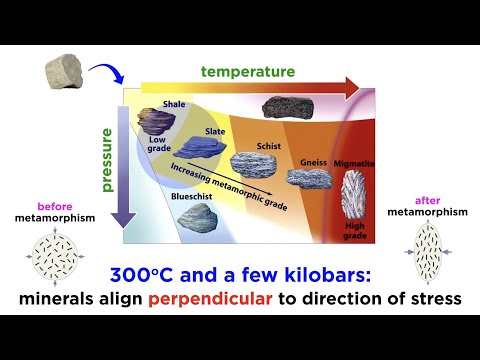
- Foliated Rocks: These guys have a banded or layered appearance. Think of them as nature’s way of making cool patterns. They form under directional pressure that causes minerals to align. One classic example is schist, which can shine with glittery mica flakes.
- Non-foliated Rocks: On the flip side, these rocks don’t show any layering. They tend to form in situations where pressure is more uniform. Marble is a popular non-foliated rock; it’s formed from limestone and can be really beautiful, especially when polished.
Now let’s dig deeper into how these rocks come to be.
Regional Metamorphism is one common method. This typically happens over large areas under high pressures and temperatures—think mountain ranges! The immense pressure from tectonic plates pushing against each other creates conditions where existing rocks undergo transformation. It’s like giving them a makeover that changes their entire vibe!
On the other hand, contact metamorphism occurs when magma intrudes into existing rock formations. The intense heat from the molten rock cooks its neighbors without necessarily putting them under heavy pressure. A good example? When limestone meets hot magma and turns into marble; that’s some serious heat-induced change right there!
And don’t forget about dynamothermal metamorphism, which involves both heat and pressure over time—usually in mountain-building events. Imagine an ancient ocean floor being pushed upwards; it gets squished and heated until it transforms into something entirely different.
Then we have another category called hydrothermal metamorphism. In this process, hot water rich in dissolved minerals seeps through cracks in rocks. As this water cools down slowly or interacts with these rocks’ surfaces, it can lead to some pretty neat changes—like converting granite into gneiss.
You know what’s wild? The more you explore these processes, the more you realize there’s a whole world beneath our feet! It’s like each rock has its own story to tell about Earth’s history and the forces at play over millions of years.
So next time you’re out for a hike or just walking around town, take a moment to look at those rocks around you! They’ve been shaped by intense forces in ways that might surprise you—and who knows what tales they could share if they could talk? Just remember—they’re not just sitting there; they’ve got history written all over them!
Understanding the Key Processes in Metamorphic Rock Formation: A Scientific Overview
Metamorphic rocks are like nature’s little makeover artists. They take existing rocks and give them a totally new look and feel through **heat, pressure, or chemically active fluids**. You might be wondering how this happens, so let’s break it down!
First off, let’s chat about the **parent rocks**, which are the original ones that get transformed. These can be igneous, sedimentary, or even other metamorphic rocks. Imagine a granite rock hanging out in the ground for ages. Over time, if it gets buried deep within the Earth and experiences intense heat and pressure, it can become something like gneiss—a pretty cool change, right?
Now, when we talk about **heat**, we’re not talking about a cozy fireplace here. We’re referring to temperatures that can reach up to 800 degrees Celsius (1,472 degrees Fahrenheit). That’s a lot of heat! This heat causes minerals in the rock to become unstable and rearrange themselves into new patterns.
Then you have **pressure**. It’s not just your boss sitting at your desk—this is way more intense! The pressure involved comes from the weight of all those rocks above pushing down on the parent rock. This pressure can lead to changes in mineral structure and texture as well as causing things like foliation—where minerals align into thin layers.
Now let’s sprinkle in some **chemically active fluids**. Water or other gases can seep into these rocks over time. When this happens, they carry dissolved ions that help with mineral transformations. Think of it as adding special ingredients to a recipe; they help create different flavors—or in this case, different minerals!
So what types of metamorphic rocks are out there? You’ve got:
- Slate: A fine-grained rock formed from shale under low-grade metamorphism.
- Schist: Coarser than slate and shows visible crystals; it forms under higher temperatures and pressures.
- Gneiss: Characterized by its banded appearance; it’s typically formed from high-grade metamorphic processes.
- Marble: This beauty comes from limestone and is known for its use in sculptures due to its smooth texture.
So basically, metamorphic rocks are all about transformation driven by heat and pressure while also being influenced by chemically active fluids. Each step adds character to these stones as they evolve over geological time.
Just think of metamorphic rocks next time you see one—they’re like the Earth’s way of showing off how dynamic our planet really is! It reminds me of how people grow and change through experiences too—just with a bit more geological flair!
Exploring the Three Types of Rocks: Formation Processes and Geological Significance
Rocks are everywhere, right? But did you know they come in three main types? Seriously! These are igneous, sedimentary, and metamorphic rocks. Each one has its own way of forming and tells a unique story about our planet. Let’s break it down!
Igneous Rocks form from molten rock. When magma (that stuff beneath the Earth’s crust) cools down and solidifies, it creates these rocks. There are two subtypes: intrusive and extrusive. Intrusive rocks cool slowly underground, so they have big crystals. You know granite? Yep, that’s an intrusive rock! Extrusive ones chill out on the surface after volcanic eruptions; think basalt or pumice.
Now onto Sedimentary Rocks. These bad boys form from tiny bits of other rocks or organic matter that settle over time. It’s like nature’s scrapbook! They often form in layers, which can be really pretty to look at. You’ve got sandstone made from sand grains or limestone formed from shells and coral. Ever walked along a beach and noticed the different colors in the sand? That’s sedimentary rock in action!
The real showstopper here is Metamorphic Rocks. They start as either igneous or sedimentary rocks but go through intense heat and pressure underneath the Earth’s surface. This process is called metamorphism—kind of sounds like a superhero transformation, right? You might find schist or gneiss when you dig into this category.
Here’s why it matters: basically, each type of rock tells us something about Earth’s history—like past climates or even previous life forms!
To sum it all up:
- Igneous Rocks: Formed from cooled magma.
- Sedimentary Rocks: Made from accumulated sediments.
- Metamorphic Rocks: Created by heat and pressure changing existing rocks.
So next time you’re outside, take a sec to look at that rock on the ground or that colorful cliffside! Each one has a story based on how it formed—and isn’t that just amazing?
So, let’s chat about metamorphic rocks for a second. You know, it’s kind of mind-blowing how rocks can change over time, turning from one form into another, like they’re on this crazy journey. It’s all about pressure and heat, really.
Picture this: you’re hiking up a mountain, and you spot these cool-looking rocks that seem to have stripes or swirls in them. Those are metamorphic rocks! They start out as igneous or sedimentary rocks but then get subjected to intense heat and pressure deep within the Earth’s crust. It’s like nature’s way of giving them a makeover.
There are two main types of metamorphic rocks—foliated and non-foliated. Foliated rocks are those that show layers or bands because of the alignment of minerals due to that crazy pressure we were talking about. Think schist or gneiss. It’s like when you get your hair straightened; everything gets aligned just right!
Then you’ve got non-foliated rocks, which don’t have that layered look at all. Marble is a perfect example here. It starts off as limestone, but with enough heat and pressure, it transforms into something smooth and beautiful. So basically, it’s like taking a block of cheese and turning it into a fancy gouda after some serious cooking.
Let me tell you a little story—there’s this moment I had while driving through the North Cascades in Washington State. I was surrounded by towering mountains made from all sorts of metamorphic rock layers—schist glimmering in the sunlight while marble walls stood boldly beside me. It was like nature was showing off her artistic skills! The transformations these rocks went through were astounding when I thought about how long it took for them to become what they are now.
It gets even cooler when you think about how plate tectonics play into this whole process too! When tectonic plates collide, they squeeze rock layers together so hard that they start to change form right before our eyes—like two friends arguing until one snaps! Kidding about the arguing part… kind of.
Anyway, understanding metamorphic rocks really makes you appreciate the Earth’s endless creativity and patience. These changes can take millions of years! So next time you’re outdoors and stumble upon some cool rock formations, take a moment to think about their transformation story—it truly is remarkable!