So, picture this: you’re on a hike, right? You look around and see rocks everywhere. Some are smooth, some are jagged, and others are just plain weird! Ever wonder why they’re all so different?
It’s like nature decided to throw a rock party with all sorts of guests. This crazy variety of rocks tells us stories about Earth’s past. Seriously, every little piece has its own tale to spin.
Geology is way more than just dusty textbooks and boring lectures. It’s an adventure through time! Each rock type gives us clues about everything from how mountains were formed to where the dinosaurs roamed.
And let me tell you, understanding these diverse geological types isn’t just cool—it’s crucial for grasping how our planet works. So grab a cup of something warm, and let’s dig into this rocky world together!
Exploring the Interconnectedness of Geology and Earth Science: Understanding Earth’s Processes
Earth is a big ball of rock, metal, and all sorts of funky materials swirling around in space. When you start looking at geology, it’s like peeling back the layers of an onion, revealing the different pieces that make our planet tick. Seriously, geology is all about studying the solid parts of Earth—the rocks, minerals, and even the fossils that tell stories of times long gone.
Now, when we talk about Earth science, we’re diving deeper into how everything interacts. It’s not just about rocks; it’s about how those rocks affect everything else—like the atmosphere, oceans and even the life forms roaming around on top. You follow me? Well, here’s where it gets interesting. Different types of geology play unique roles in these processes.
- Igneous rocks: These are formed from melted materials that cool down. Think about volcanoes erupting; when lava cools down quickly, it can form shiny obsidian or grainy basalt. This process creates new landforms and can actually influence weather patterns.
- Sedimentary rocks: Imagine layers of mud or sand piled up over time—and that’s basically what these rocks are. They often contain fossils and provide clues about past environments. You know those towering cliffs? They could be made up of sedimentary rock layers built over millions of years!
- Metamorphic rocks: These guys start as one type of rock and transform into another through heat or pressure. It’s like giving a rock a makeover! Schist can turn into gneiss under extreme conditions deep within Earth.
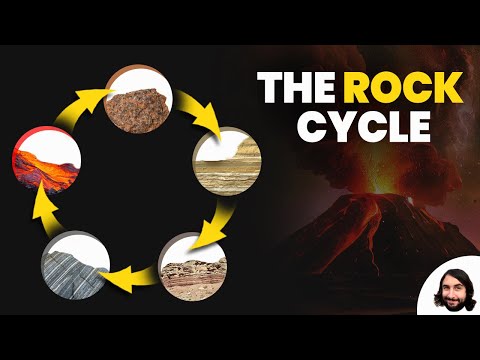
The interplay between these types is crucial to understanding Earth’s processes. For instance, when igneous rocks weather away, they break down into sediments that eventually form sedimentary rocks. Over time, as tectonic plates shift and pressure builds up beneath the surface, these sedimentary rocks might become metamorphic—talk about a rock cycle!
You might have heard about plate tectonics—basically how massive chunks of Earth’s lithosphere float around on the semi-fluid asthenosphere below them. This movement shapes our landscapes through processes like earthquakes and mountain building. Fun fact: When two plates collide, they can create mountain ranges! Just look at the Himalayas; they’re still rising today.
The role of geology doesn’t stop there! It deeply influences things like natural resources too—think minerals for electronics or fossil fuels for energy—which are super important to our daily lives but come with their own set of challenges.
And let’s not forget climate change! The geological record helps us understand past climates by showing how Earth responded to natural changes in greenhouse gases and temperature over millions of years. So those ancient layers tell us what might happen next if we keep pushing our planet’s boundaries.
You see all this? The interconnectedness between geology and earth science shapes not only our planet but influences everything living on it too! From tiny microbes to towering redwoods—it’s one big community rooted in rock!
Understanding Ecology: Exploring the Interconnectedness of Life in Science
Ecology is like the giant web connecting all living things on our planet. Imagine a massive spider web where every strand holds something together—plants, animals, soil, water. In this case, it’s all about how life forms interact with each other and their environment. Seriously, it’s pretty cool how everything is linked!
The interconnectedness of life means that what happens to one species often affects another. Let’s say you have a garden. If you take care of your plants well but forget to water them, they droop and might even die. This not only impacts the plants but also the insects that rely on them for food. See? Everything’s tied in together.
Then there’s the whole deal with various geological types. The Earth isn’t just a flat rock; it’s a mix of different materials like sedimentary layers, igneous formations, and metamorphic rocks. Each geological type influences what kind of life can thrive in those areas:
- Sedimentary rocks are usually home to fossils and often lie at the bottom of oceans or lakes. They tell stories about ancient environments.
- Igneous rocks, formed from cooled magma or lava, tend to offer unique habitats—like volcanic islands—that can support specialized wildlife.
- Metamorphic rocks, created under heat and pressure, can shape landscapes that affect how water drains and supports plant life.
So when you think about ecology, you can’t ignore geology! For example, in places with rich soil due to weathered igneous rocks, you might find amazing forests teeming with diverse species because nutrients are abundant.
And here’s where things get really interesting: ecosystems are not just random collections of organisms; they form complex networks! Picture a river ecosystem: it starts with little streams flowing down from mountains (often cutting through different geological layers). Along the way, these streams interact with plants along the bank—think willows or reeds—and provide homes for fish or frogs.
The health of these ecosystems is crucial because they provide services that we depend on. Clean water? Check! Pollination for crops? Absolutely! When these systems are disrupted by stuff like pollution or climate change—especially due to urban development or mining—it messes up the entire network.
A little personal story: I remember hiking through a forest once after a rainstorm. The streams were full and bubbling over rocks that had been worn smooth by years of rushing water. It hit me then how alive everything was—not just the trees and animals but also the soil below us that held everything together! That interconnectedness? It’s vital for life itself.
In essence, every time we dig into Earth’s geology or study an ecosystem’s dynamics, we’re uncovering layers—not just literally but figuratively too! Understanding this interconnectedness helps us appreciate nature better and emphasizes why taking care of our planet matters more than ever before. So next time you walk outside or go for a hike, think about all those connections happening right under your feet!
Exploring the Different Types of Geology: A Comprehensive Overview of Geological Sciences
Sure! Let’s break down the world of geology into bite-sized pieces. Geology is like a giant puzzle of Earth’s history. It’s all about understanding what our planet is made of, how it changes, and the processes that shape it over time. So, grab your gear; we’re going on a little geological adventure here!
1. Physical Geology
This part of geology looks at the materials that make up Earth and the processes that affect them. Think rocks, minerals, and everything in between! Physical geologists study things like volcanic eruptions or earthquakes. They really get into how these events change landscapes and even affect human life.
2. Historical Geology
Ever wondered how Earth came to be? This type answers just that! Historical geology digs into the past by studying rock layers (called strata) and fossils found within them. It reveals Earth’s history over billions of years, uncovering when dinosaurs walked the planet or when continents drifted apart.
3. Mineralogy
Mineralogy focuses specifically on minerals – those tiny building blocks of rocks! This field involves identifying minerals and understanding their properties. Want to know why some rocks sparkle? That’s calcite for you! Mineralogists also determine how these materials can be used—like in electronics or jewelry.
4. Petrology
Petrology is all about rocks—how they’re formed, where they come from, and what they’re made up of. There are three main types: igneous (formed from cooled magma), sedimentary (made from particles compressed over time), and metamorphic (rocks that have been transformed by heat or pressure). Each tells its own story about Earth’s conditions through ages.
5. Structural Geology
If you’ve ever seen mountains or faults in the land, you can thank structural geology! This area looks at how rocks are arranged and why they deform under pressure; basically, how forces shape our planet’s surface over time.
6. Geophysics
Geophysicists use physics to study Earth’s internal structures without digging a hole! They employ techniques like seismic waves (think earthquakes!) to learn about what lies beneath our feet—like discovering oil reserves or understanding tectonic plate movement.
7. Geochemistry
This branch studies the chemical composition of Earth materials and processes. It’s all about understanding reactions within rocks and minerals as well as their interactions with water and air. For instance, geochemists play a vital role in exploring natural resources like metals or oil!
Anyway, you might have encountered some weird terms along this journey—geodesy, stratigraphy…they can sound a bit heavy sometimes! But they’re just parts of this vast field contributing to our knowledge about Earth’s workings today.
Geology isn’t just for scientists; it’s about understanding your world better—the parks you hike through, those rock formations that catch your eye during road trips, even where cities are built! So next time you’re out exploring nature or simply gazing at some beautiful mountains, remember there’s an entire science behind those scenes waiting for you to discover more!
Geology is, like, this massive puzzle that helps us understand not just the Earth but also our place in it. When you think about the different types of geology—like sedimentary, igneous, and metamorphic—you start to realize how each piece tells a part of the bigger story. It’s kind of wild when you think about it!
I remember standing on a rocky beach one summer day. The waves were crashing against the cliffs, and I couldn’t help but stare at these layers of rock, some smooth and others jagged. Each layer told its own tale of time, from ancient seas to volcanic eruptions. That was a moment when I truly got how geology is more than just rocks and minerals—it’s history written in stone.
So every type of geology plays its own role. Sedimentary rocks? They form from particles accumulating over time, often giving us clues about past environments. Wanna know where oil comes from? Yup! Those layers tell you all about ancient life and climate conditions that created those fossil fuels.
Then there are igneous rocks that cool down from molten lava or magma; think volcanoes! They show us exactly what’s happening beneath Earth’s crust. And let’s not forget about metamorphic rocks; they’re like the transformed version of what was once sedimentary or igneous. Under heat and pressure, they change—just like people sometimes do!
The thing is, understanding these different types helps scientists figure out everything from natural disasters to resource management—like where to find clean water or how to approach climate change challenges. It makes you appreciate how interconnected we all are with this planet.
Diverse geology types aren’t just dust under our feet; they’re markers of time and change that shape our environment and future. So next time you walk over those pebbles or gaze at mountains in the distance, remember: there’s a whole world beneath those surfaces waiting for you to discover its stories!