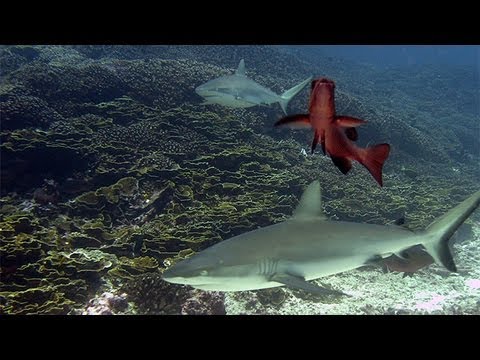
Did you know that corals can be super picky about their neighbors? Seriously! If they don’t like who’s next door, they might just kick them out. Imagine living in a neighborhood where you could boot anyone who didn’t vibe with your style!
Coral ecosystems are way more than just pretty reefs. They’re bustling cities of marine life, each little critter playing a part in this vibrant community. And guess what? Scientists are diving into these underwater worlds to figure out how to keep them thriving.
It’s kind of amazing when you think about it. People from all walks of life—scientists, locals, and even tourists—are teaming up to save these ecosystems. It’s like a global effort where everyone brings something to the table, like an epic potluck but underwater!
So, let’s chat about how collaboration is making waves in the world of coral reefs. You ready?
Exploring the Role of The Nature Conservancy in Coral Reef Conservation: Scientific Insights and Strategies
Coral reefs, you know, they’re like the rainforests of the ocean. They’re bustling with life and provide homes for countless species. But here’s the kicker: they’re facing some serious threats like climate change, pollution, and overfishing. That’s where organizations like The Nature Conservancy step in to help protect these vibrant ecosystems.
One way The Nature Conservancy approaches coral reef conservation is through collaborative science. This means teaming up with local communities, researchers, and governments to share knowledge and create effective strategies. For example, they work on projects that involve local fishermen to help manage fish populations sustainably. You might think it’s just about saving fish, but healthy fish populations help maintain a balanced reef environment.
Another strategy involves using advanced technology. Drones and underwater mapping tools allow scientists to monitor coral health from above and below the water’s surface. Imagine being able to see how corals grow or decline over time without disturbing them! This data is super important because it helps scientists understand which areas need protection or restoration.
Restoration projects are also a big part of their work. They sometimes grow new corals in nurseries before planting them back onto reefs. It’s kind of like giving corals a second chance at life! There’s a lot of heart behind this work because restoring damaged reefs can revive entire ecosystems.
So why does all this matter? Healthy coral reefs provide more than just pretty views; they’re crucial for fisheries, tourism, and even coastal protection against storms. A thriving reef can protect coastlines from erosion and support local economies that depend on fishing or diving.
In short, The Nature Conservancy takes an integrated approach by using science and community involvement to tackle coral reef conservation challenges head-on. They’re not just looking for quick fixes either; their strategies aim for long-term sustainability of these vital ecosystems. And seriously, when you think about it, preserving coral reefs is not just about saving beautiful fish; it’s about keeping our planet healthier too!
Advancing Coral Conservancy: Innovative Scientific Approaches for Ocean Sustainability
So, let’s talk about coral conservancy. Coral reefs are like the rainforests of the ocean, teaming with life and biodiversity. Sadly, they’re in serious trouble due to climate change, pollution, and overfishing. But there’s some good news! Scientists are coming up with innovative ways to protect these amazing ecosystems.
One of the coolest approaches is genetic research. Researchers are diving into the DNA of corals to understand how they adapt to heat and acidity levels. This helps them find species that might be more resilient to climate change. Imagine being able to breed tough corals that can withstand warmer waters! It’s kind of like selective breeding in crops but underwater.
Another interesting method involves coral farming. This is where scientists grow corals in controlled environments before replanting them in damaged reefs. They can monitor the growth rates and health of these corals, like nurturing a little underwater garden. By doing this, they can restore areas that have been devastated by bleaching events—when corals lose their color and die off because of stress.
Collaboration plays a massive role too. Marine scientists, conservationists, and local communities are teaming up on projects around the globe. For example, there’s this initiative called “Coral Triangle Initiative” involving countries like Indonesia and Malaysia working together for marine conservation. It’s all about sharing knowledge and resources to get better results!
And let’s not forget technology! Underwater drones and robots are becoming invaluable tools for monitoring reef health. These gadgets collect data on water temperature, clarity, and even fish populations without disturbing marine life too much—the future is real!
Also important are education programs aimed at local communities. When people understand how vital coral reefs are, they’re more likely to help protect them. Workshops or school programs teach about sustainable fishing practices or reducing plastic usage, which directly impacts ocean health.
To wrap things up—advancing coral conservancy takes creativity and collaboration from everyone involved: scientists, fishermen, tourists—you name it! It’s a big challenge ahead but with these innovative ideas rolling out? There might just be hope for our colorful friends beneath the waves.
Remember, every little action counts when it comes to preserving these vibrant ecosystems we all love!
Conserving Coral Reefs: Innovative Scientific Approaches to Marine Ecosystem Restoration
Coral reefs are some of the most amazing ecosystems on our planet. They’re like the underwater equivalent of a bustling city, full of life and variety. But, here’s the thing: they’re in serious trouble. Climate change, pollution, and other factors are pushing these beautiful structures to their limits. So, finding ways to restore and conserve coral reefs is super important.
One cool approach scientists are using involves “coral gardening.” Basically, this means taking fragments of healthy corals and growing them in nurseries. It’s like growing baby corals in a protected space before planting them back in their natural habitat. This technique helps increase coral populations and allows damaged areas to recover. Imagine replanting flowers in a garden—same idea!
Another fascinating method is assisted evolution. Now, this sounds high-tech, but it’s pretty straightforward. Scientists look for coral species that can survive in warmer waters or have better resistance to diseases. By breeding these resilient corals with others, they create hybrids that can handle future changes better. It’s like making a super-powered version of your favorite video game character!
And let’s not forget about technology! Some researchers are using underwater drones to monitor coral health from above. These drones collect data on water temperature, acidity levels, and more—helping scientists see how reefs are doing without disturbing them too much. Imagine having an aerial view of your favorite park; you’d see things you might miss walking around!
Then there’s the power of collaboration. Different groups—like local communities, researchers, and even governments—are teaming up to tackle reef conservation together. This community involvement is crucial because locals often know their waters best and can help monitor changes over time.
Lastly, education plays a massive role too! Teaching people about the importance of coral reefs helps build awareness about conservation efforts. Schools and organizations often lead workshops or beach clean-ups that get everyone involved—not just scientists.
So next time you think about those vibrant underwater gardens, remember that there’s some serious teamwork happening behind the scenes! By combining traditional methods with innovative technologies and bringing communities together, we can hopefully give coral reefs a fighting chance against all the challenges ahead.
In short:
- Coral gardening: Growing baby corals before replanting.
- Assisted evolution: Breeding resilient corals for tougher species.
- Drones for monitoring: High-tech eyes watching over our reefs.
- Collaboration: Communities working with scientists for better outcomes.
- Education: Raising awareness about why coral conservation matters.
So yeah, as we work together on these ideas, we might just help ensure that our oceans stay vibrant for generations to come!
You know, coral reefs are like the underwater cities of the ocean. When you dive into those vibrant spaces, it’s almost like stepping into a world full of color and life. But here’s the thing: they’re not just beautiful; they play a huge role in maintaining marine biodiversity. Yet, these ecosystems are facing threats from climate change, pollution, and overfishing. It’s kinda sad when you think about it.
But on a positive note, what really gets me excited is the way scientists from all over the globe are coming together to protect these reefs through collaborative efforts. I remember reading about a project where researchers shared data and strategies across countries to monitor coral health. It’s so incredible to see people working hand-in-hand for a shared cause.
The beauty of collaboration is that it brings diverse perspectives to tackle complex problems. Imagine if each scientist was just doing their own thing—there would be gaps in knowledge and understanding that could set back conservation efforts. Instead, with everyone pitching in their expertise—from genetics to oceanography—it creates a more comprehensive picture of how we can help coral reefs thrive again.
And here’s something that pulls at my heartstrings: local communities getting involved too! They’re often the ones most impacted by changes in marine environments. By incorporating traditional knowledge with scientific research, there’s this sense of empowerment happening. It’s not just scientists in lab coats; it’s families and fishermen working alongside them to ensure sustainable practices.
So yeah, collaborative science isn’t just some nerdy academic talk. It builds bridges between scientists and communities, helping us face challenges together in real time. I mean, wouldn’t it be amazing if more ecosystems could benefit from this model? Every little effort counts when we come together for nature.
In essence, it’s all about hope—hope that with collective knowledge and action, we can create resilient coral ecosystems for future generations to enjoy those underwater cities full of life!