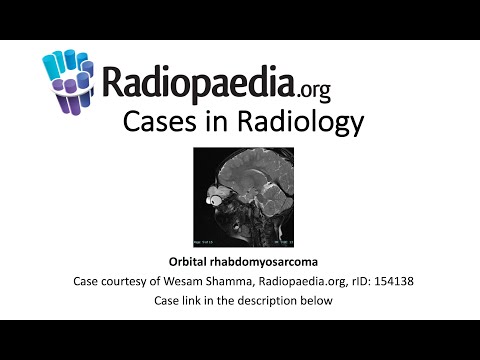
You know what’s crazy? When you think about it, we’ve come a long way in how we look inside the body. Imagine playing detective with a super advanced magnifying glass that can reveal secrets hiding deep within. That’s basically what radiology does!
Now, let’s chat about rhabdomyosarcoma. It sounds like a big, scary word, huh? But here’s the thing: it’s a type of cancer that mostly hits kids and adolescents. And while that kind of news is heavy, there are some seriously cool advancements happening in how we diagnose and treat it.
With fancy new radiology techniques popping up left and right, doctors are getting a clearer picture—literally—of what they’re dealing with. Trust me, these innovations are making a real difference for patients and their families. So stick around; there’s some awesome stuff to unpack!
Comprehensive Overview of Rhabdomyosarcoma Chemotherapy Protocols in Oncology
So, have you ever heard of rhabdomyosarcoma? It’s a type of cancer that mostly affects kids and can show up in various parts of the body, like muscles or soft tissues. Now, when it comes to treating this sneaky illness, chemotherapy is often part of the game plan. Let’s break it down a bit.
Chemotherapy Protocols for rhabdomyosarcoma usually follow specific guidelines aimed at hitting hard on those cancer cells while keeping the rest of the body in check. There are different types of protocols based on a few factors: like the tumor’s location, size, and whether it has spread.
Among the most common regimens is what’s called VAC, which stands for vincristine, actinomycin D, and cyclophosphamide. This combo has been pretty standard in treating localized tumors. Each drug targets those pesky cancer cells in its own way. For example:
- Vincristine: It messes with how cells divide, slowing down or stopping cancer growth.
- Actinomycin D: This one interferes with cell replication too.
- Cyclophosphamide: It damages DNA to knock out fast-growing cells.
But you know what? Treatment isn’t just about throwing meds at it; timing and doses matter too. Physicians will tweak these protocols based on how well a patient responds (which can feel pretty intense!).
A lot of research is happening around the world to improve these methods. Some new therapies target specific mutations in cancer cells or use immunotherapy—basically training your immune system to recognize and fight the cancer better.
Another key piece in this puzzle? Radiation therapy. While chemo does its thing all over the body, radiation focuses on specific areas where tumors might hide out. Advancements here are allowing for more precise targeting—think about minimizing damage to surrounding healthy tissue while maximizing impact on the tumor.
Here’s something personal: I once talked to a family whose child was diagnosed with this disease. They were thrown into a whirlwind of choices about treatment options—between different chemotherapies and radiation techniques—and each decision felt heavy with emotion. Their journey highlighted just how vital ongoing research and advancements in oncology are because no family should feel alone combating this monster.
The road through treatment can be rough; side effects from chemotherapy can be tough to handle—nausea, fatigue—you name it! That’s why supportive care is crucial during this time; managing symptoms helps kids stay as strong as possible.
Conclusively (without sounding too formal!), advancements continue pushing boundaries in oncology for rhabdomyosarcoma treatment protocols. Chemo remains a core element alongside emerging therapies—and that makes hope shine a little brighter for families facing this scary diagnosis!
Latest Advances in Rhabdomyosarcoma Treatment for Adults: A Comprehensive Overview
Rhabdomyosarcoma (RMS) is a type of cancer that arises from soft tissues, and while it’s more common in kids, adults can get it too! Recent research has been buzzing with some exciting advancements in how we diagnose and treat this challenging disease. Let’s break it down a bit.
One major leap forward has been in radiology techniques. Imaging plays a huge role in spotting and tracking the growth of tumors. Old-school methods like X-rays are still around, but they’re not the go-to anymore. Now, doctors are leaning on advanced imaging modalities like MRI and PET scans. These technologies help catch tumors earlier and map their spread better than ever before.
MRI, for instance, provides super detailed images of soft tissues, allowing doctors to see exactly where the tumor is hanging out. It’s like having an ultra-high-resolution camera for your insides! On the other hand, PET scans help identify whether the cancer has moved to other parts of the body by showing areas of high metabolic activity—kind of like flipping on a light switch to see where things are happening inside you.
But that’s not all! Radiotherapy advancements are changing the game too. Traditional radiation therapy can be pretty tough on healthy tissues surrounding tumors. New techniques like stereotactic body radiotherapy (SBRT) focus high doses of radiation right on the tumor while limiting exposure to nearby tissues. It’s like honing in with a laser rather than spraying paint everywhere!
In terms of treatment protocols, there has been a move towards more personalized approaches using genomic profiling. Basically, scientists look at the specific genetic make-up of your tumor to tailor treatments just for you. This means if you have RMS, your treatment could be different from someone else’s even if you both have similar symptoms. Kind of cool, right?
Another area making waves is immunotherapy. This approach gets your immune system fired up to recognize and fight cancer cells more effectively. While still being studied for adults with RMS specifically, early results show promise and could mean fewer side effects compared to traditional therapies.
So where does that leave us? There’s still plenty to learn about treating adult rhabdomyosarcoma effectively, but advancements in radiology and treatment techniques are paving the way for better outcomes. Each step forward means hope for patients and families dealing with this tough diagnosis.
In summary:
- Advanced imaging: MRI & PET scans allow for precise tumor detection.
- Stereotactic Body Radiotherapy: Targets tumors while sparing surrounding healthy tissue.
- Personalized medicine: Treatments tailored based on individual tumor genetics.
- Immunotherapy: Boosts immune response against cancer cells.
So yeah, keep an eye on this space; there’s so much evolving here that could really change lives!
Comprehensive Rhabdomyosarcoma Treatment Protocols: Advances in Oncology and Clinical Guidelines
Rhabdomyosarcoma is pretty intense, and when you hear about it, you realize how important it is to stay updated on the treatment scene. This cancer primarily affects children and arises from connective tissues, like muscles. You know? It’s one of those things where understanding it better can make all the difference.
Comprehensive treatment protocols have evolved quite a bit. And believe me, it’s not just about chemotherapy anymore. Nowadays, doctors usually blend several treatment options to tackle this aggressive tumor effectively. So let’s break it down a bit:
- Surgery: First off, if they can get the tumor out safely, that’s usually the first move. But it really depends on its location and size.
- Radiation therapy: This has come a long way! More advanced techniques like IMRT (Intensity-Modulated Radiation Therapy) allow doctors to deliver precise doses of radiation while sparing healthy tissues nearby.
- Chemotherapy: You might think of this as the classic approach, but even here things are changing. New drug combinations are being tested constantly to find what’s most effective against various rhabdomyosarcoma types.
- Targeted therapy: This is like the new kid on the block that everyone is excited about! It involves using drugs that specifically target cancer cells with less effect on normal cells.
- Clinical trials: These are super important for advancing treatment protocols too. They often give patients access to cutting-edge therapies that aren’t widely available yet.
Now here’s what gets cooler: advances in radiology techniques play a huge role alongside these treatments. For instance, imaging technologies have improved so much that doctors can now see tumors in high detail before they make any decisions about surgery or radiation.
You’ve got stuff like PET scans, which show metabolic activity and help spot tumors early on! Then there are innovations in MRI technology that allow for better visualization of soft tissue—super handy for spotting rhabdomyosarcoma since it’s often hiding among muscle!
Now picture this: a child named Mia was diagnosed with rhabdomyosarcoma last year. Thanks to advancements in imaging and treatment protocols, she was quickly enrolled in a clinical trial testing a new combination of targeted therapy and radiation. And just recently, her doctors reported significant shrinkage of her tumor! It feels good knowing that so many kids are getting these options today.
In oncology circles, clinical guidelines constantly get refined based on new research findings too. The goal? To make sure every patient receives individualized care by weighing factors like tumor type, location, age—everything matters.
So yeah, when you connect all these dots from diagnosis through comprehensive treatment protocols to advanced radiology techniques, you see how comprehensive care looks today compared to years past—definitely gives hope for those facing such challenging battles!
Rhabdomyosarcoma, right? It’s one of those words that sounds super intimidating, but like, when you break it down, it’s just a type of cancer that pops up in soft tissues, often in kids. It can be scary to think about because of its severity and the way it affects young lives. A few years back, I remember hearing about a friend’s child diagnosed with it. The sheer weight of that news was just heartbreaking. But then you learn about how medicine pushes forward and how advancements can light up dark moments.
In the world of medical imaging, advancements have been pretty awesome lately, especially in radiology techniques for rhabdomyosarcoma. Think about it: these new methods make such a difference when doctors are trying to catch this sneaky cancer early or see if treatment is working. Techniques like MRI and PET scans are now more detailed than ever! We’re talking sharper images that help doctors pinpoint tumors better, which is super crucial for getting the right treatment in place.
And what blows my mind is that some newer methods can actually help visualize the tumor’s characteristics more clearly. This means clinicians can tailor treatments based on how aggressive a tumor is or whether it’s likely to spread. It’s like having a superpower in diagnosis! You know what I mean? Just imagine being able to provide targeted therapies right from the get-go.
Not only that but another cool thing happening is combining different imaging techniques into one protocol. By using MRI alongside PET scans, for example, doctors get a comprehensive view—they see not just where the cancer is but how it’s behaving inside the body. Integration like this really ups the game in how we approach treatment planning.
I guess what I’m trying to say here is that behind all these technicalities are real people—kids fighting their battles every day and families holding onto hope. It’s incredible how technology not only helps the medical community but gives families something brighter to look forward to amidst all the chaos.
So yeah, while rhabdomyosarcoma still carries its heavy weight, the strides we’re making with new radiology techniques hint at progress! And every tiny step forward matters so much in easing fears and improving outcomes for those affected by this harsh reality. There’s still work to be done—always will be—but isn’t it uplifting to grasp how far we’ve come?