You know that moment when you’re listening to music and suddenly it sounds all muffled? Like a sock is stuck in your ear or something?
Well, that could be a sign of a cholesteatoma. Sounds scary, right? But don’t fret! It’s not as dramatic as it sounds. This little troublemaker is just an abnormal skin growth in your ear.
Now, what’s really cool is how far we’ve come in finding these things. Radiology has taken some massive leaps lately! I mean, can you believe we can see inside our heads without even cracking them open? That’s wild!
So, let’s chat about how these advancements are shaking up the game in spotting cholesteatomas. Trust me; it’s pretty fascinating stuff!
Radiological Insights into Congenital Cholesteatoma: Diagnosis and Management Strategies
Congenital cholesteatoma is quite an interesting condition, especially from a radiological perspective. This type of cholesteatoma is not something that develops due to repeated ear infections—like the more common acquired type—but rather forms in children, often detected when they’re still young. So, how do we get to the bottom of this with imaging?
When it comes to diagnosing congenital cholesteatoma, radiological techniques play a crucial role. Typically, doctors use Computed Tomography (CT) scans as the go-to method. Why? Well, CT scans are super good at showing us the structure of the ear and surrounding areas in great detail.
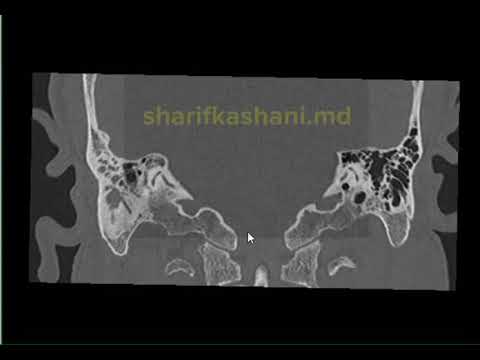
On a CT scan, the cholesteatoma appears as an abnormal mass, often located in the temporal bone. Sounds technical, right? But basically, it’s like spotting a small cloud on a clear day—you know something’s there that shouldn’t be! This helps doctors differentiate between other conditions that might mimic cholesteatoma.
What’s more interesting is how these advances in technology improve diagnosis accuracy. The high-resolution CT scans can even show subtle changes in bone surrounding the mass. This is key for deciding on management strategies because it can indicate whether surgical intervention is necessary.
Let’s talk management strategies now because that’s where it gets real! Once diagnosed, treatment typically involves surgery to remove the cholesteatoma and any infected tissue around it. The thing is, you want to ensure complete removal; otherwise, it can recur like that annoying pop-up ad on your computer. Surgeons usually try to preserve hearing during this process too.
Another aspect worth noting is magnetic resonance imaging (MRI). While CT is fab for looking at bones and structures, MRI gives us another layer of insight by showing soft tissues better. Sometimes after surgery or if there are complications suspected—like infection—an MRI might be ordered.
- Diagnosis: Primarily through high-resolution CT scans.
- Treatment: Surgical intervention aimed at complete removal.
- MRI: Useful for soft tissue evaluation post-surgery.
It’s fascinating how these imaging techniques help shape not just diagnosis but also treatment strategies! Oh—and here’s a little emotional twist: imagine being a parent getting news about your child’s health condition. The blend of technology and human touch in medicine really makes you appreciate how far we’ve come!
In essence, understanding radiological insights into congenital cholesteatoma allows for better diagnosis and tailored management strategies—ultimately leading to improved outcomes for kids affected by this condition. And remember: early detection is key!
Radiological Insights into Acquired Cholesteatoma: Diagnosis and Management Strategies
Cholesteatoma is one of those terms that can sound pretty scary, but let’s break it down. Basically, it’s an abnormal skin growth in the middle ear that can develop due to chronic ear infections or other issues. The tricky part? It can cause some serious damage if not diagnosed and managed well.
When it comes to diagnosing cholesteatoma, radiology plays a huge role. Imaging techniques like **CT scans** are crucial because they help doctors see the extent of the disease. You see, a CT scan creates detailed images of your ear structures, showing if there’s any bone erosion or infection spreading into nearby areas. This is super helpful to determine how severe the situation is and what might need to be done next.
Now, let’s talk about management strategies. It often involves surgery, especially for more advanced cases. Surgeons aim to remove the cholesteatoma and any damaged tissues. But before jumping into surgery, they usually assess things with imaging first so they know what they’re dealing with.
- Surgical Options: Depending on how invasive the cholesteatoma is, surgeons might need to repair affected bones in your ear or even reconstruct parts of your eardrum.
- Monitoring: In less severe cases, some doctors may just monitor the growth regularly with follow-up imaging.
- Antibiotics: If there’s an infection present, antibiotics might be prescribed as a first step before considering surgery.
I remember a friend of mine who had recurrent ear infections throughout childhood. After years of pain and discomfort, she finally got diagnosed with cholesteatoma when she started having hearing issues as a teenager. The imaging revealed extensive damage that required surgery to repair her eardrum and clean out the infection. It was incredible how much clearer she could hear afterward!
Sometimes people think “it’s just an ear issue,” but honestly? Early detection is really key here because untreated cholesteatomas can lead to serious complications like hearing loss or even complications affecting the brain.
Overall, radiological insights into acquired cholesteatomas are vital in spotting these issues early on and determining effective management strategies to keep those ears happy!
Cholesteatoma Radiology: Advanced Imaging Techniques and Diagnostic Insights in Otolaryngology
Cholesteatomas are really interesting yet tricky problems in the ear. They’re not tumors, but more like abnormal skin growths. When they show up, they can cause all sorts of issues, like hearing loss and infections. So, figuring out what’s happening is super important. That’s where radiology steps in, using advanced imaging techniques to help diagnose them accurately.
When doctors suspect a cholesteatoma, they usually start with an X-ray. This is a basic tool for looking at bones but doesn’t give much detail about soft tissues like those ear growths. So, more advanced methods are needed!
One of the coolest techniques used is CT (Computed Tomography). CT scans provide a detailed cross-section of the ear structures. They help visualize not just the cholesteatoma itself but also any damage it might have done to surrounding areas, like the mastoid bone or even deeper parts of the skull. It’s kind of wild how much we can see!
Another advanced technique is MRI (Magnetic Resonance Imaging). MRIs use magnets and radio waves to create images and are particularly good at picking up soft tissue abnormalities. They can show if there’s any inflammation around the cholesteatoma or even in adjacent brain structures—yes, it’s that precise!
Both CT and MRI scans have their strengths and weaknesses though. For example:
- CT scans are great for looking at bone anatomy.
- MRI scans shine when you need to assess soft tissue details.
Now let’s talk about how all these images come together for diagnosis! Radiologists look closely at these scans, hunting for telltale signs of a cholesteatoma. They focus on things like:
- The size and extent of the growth.
- Its location relative to essential structures.
- Any associated complications like fluid accumulation or bony destruction.
You might wonder what happens if a diagnosis isn’t clear-cut? Well, sometimes doctors perform something called an Audiogram. This test measures your hearing ability and helps gather additional information collaboratively with imaging results.
Just to make it relatable—imagine you’re trying to find a hidden treasure in your backyard using just a flashlight versus having a drone that captures your entire yard from above! That’s pretty much how imaging works: one gives you surface-level info while another provides comprehensive insights.
In short, diagnosing cholesteatomas involves a combination of modern imaging techniques that reveal important details about their presence and impact on surrounding structures. It helps both patients and doctors plan appropriate treatments or surgeries confidently.
So next time you hear someone mention cholesteatoma radiology, you’ll know it’s not just about taking pictures—it’s about understanding what’s lurking inside those tiny ear canals!
Alright, so cholesteatomas, right? They’re these abnormal skin growths in the middle ear and behind the eardrum. It’s one of those things that sounds way worse than it is—like, you hear “tumor” and freak out, but this isn’t the same as cancer or anything. Still, it can lead to some serious complications if not caught early. I mean, a friend of mine had one growing for years without realizing until he started having hearing loss. It was a wake-up call!
Now, here’s where radiology comes into play. Basically, advancements in diagnostic techniques have made it easier to spot these little buggers before they cause major issues. A few years ago, doctors relied heavily on physical exams and sometimes CT scans if they suspected something was off. But now? We’ve got MRI scans that provide much clearer images of soft tissues in the ear.
Imagine sitting in a dimly lit room while a giant tube-like machine does its thing around you—it sounds intimidating! But these machines are getting better at pinpointing cholesteatomas and showing doctors exactly what they’re dealing with. And it doesn’t just stop there; with 3D imaging coming into play, docs can see these growths from multiple angles. Like looking at a 3D model of your ear instead of a flat picture—way more useful!
What blows my mind is how these advancements aren’t just about figuring out what’s wrong; they’re also helping plan treatments more effectively. Surgeons can see exactly where they need to cut or what structures might be involved before going in—less guesswork means better outcomes!
But hey, let’s keep it real for a second; even with all this tech, there’s something about having human intuition at play too. Machines help us see what we can’t always detect by just looking; they’re valuable tools in the arsenal but don’t replace the good ol’ experience that comes with years of practice.
So yeah, as someone who has seen friends struggle through health issues because of late diagnoses, it’s cool to see how far we’ve come in catching things like cholesteatomas early on. At least now we have better chances to understand what’s happening inside our bodies sooner rather than later!