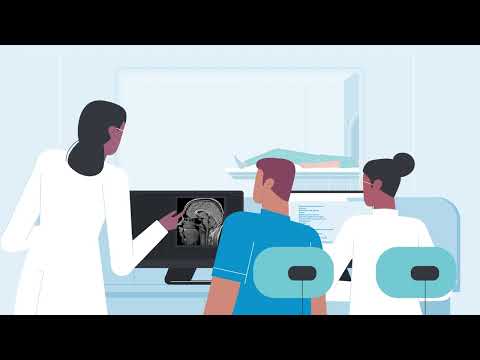
You know that feeling when you walk into a doctor’s office, and it feels like stepping into the future? Like, one minute you’re just sitting there, and the next thing you know, they’re showing you this super cool image of your insides on a screen. Seriously, it’s wild!
So, medical imaging techniques have come a long way since the ol’ X-rays. I mean, can you imagine? Back in the day, folks were taking guesses about what was wrong with them! Now we’ve got MRIs and CT scans that are basically like high-tech magic mirrors for your body.
And just when you think it can’t get any crazier, there’s always something new poppin’ up. These advancements not only help doctors figure out what’s going on but also make everything feel less scary for us patients. It’s like seeing into the future of our health. Crazy how technology can change our lives, huh?
Exploring the Latest Advancements in Diagnostic Radiography Techniques: Innovations Shaping the Future of Medical Imaging
Diagnostic radiography has come a long way in the past few years. It’s like we’ve jumped straight into the future! New techniques are popping up that really change how doctors understand what’s going on inside our bodies. So, let’s unpack some of this together.
One of the coolest innovations is digital radiography. Unlike traditional film-based methods, digital systems use sensors that quickly capture images and convert them into electronic files. This not only speeds up the process but also enhances image quality significantly. You can almost feel the difference when you see clearer pictures right away!
Also, there’s something called 3D imaging. This tech takes multiple images from different angles and creates a detailed three-dimensional picture of organs or tissues. It’s like seeing a sculpture instead of just a flat painting! Surgeons find this especially helpful when planning operations since they can visualize everything before making any cuts.
We can’t forget about fluoroscopy, which is like having a live X-ray movie. It allows doctors to see motion in real-time, such as watching how food moves through your digestive system. Imagine munching on popcorn while your doctor checks out how it flows down your esophagus—kind of wild, right?
Then there’s contrast-enhanced imaging. By using special dyes or contrast agents, doctors can highlight certain areas in an image making it easier to spot abnormalities or diseases. For instance, if someone has a problem with their blood vessels, injecting a contrast agent helps visualize those vessels more clearly during an X-ray or CT scan.
An exciting direction that things are heading is artificial intelligence (AI). AIs are starting to help radiologists by analyzing images for signs of disease faster than humans could alone. They can detect patterns in data that we might miss—like having an extra set of eyes! Imagine getting quicker diagnoses because machines help slice through all that info.
Of course, with these advancements come challenges too. There’re concerns about exposure to radiation, even with improved techniques. So balancing technology benefits with safety is key for progress in this field.
In summary, diagnostic radiography keeps evolving thanks to digital tools and cutting-edge techniques that make medical imaging more efficient and precise. The journey from traditional films to real-time analysis feels like stepping into science fiction! And isn’t it exciting to think about what’s next?
Exploring Cutting-Edge Imaging Technologies in Modern Science: A Look at the Latest Advances
So, let’s talk about this cool stuff happening in the world of imaging technologies. You know, those techniques that let doctors “see” inside our bodies without cutting us open? Yeah, seriously! We’re talking about advances that are changing how we diagnose and treat diseases.
First off, there’s magnetic resonance imaging (MRI). It’s like taking a super detailed picture of the inside of you using magnets and radio waves. Imagine lying in a big tube while powerful magnets create an image of your organs. Pretty neat, huh? The latest MRIs are faster and give clearer images than ever before. They can even show how blood flows through your heart!
Then there’s computed tomography (CT), which is like an advanced X-ray machine. Instead of one flat image, it takes many pictures from different angles to form a detailed 3D view. This can help spot things like tumors or internal bleeding more easily. And oh boy, recent innovations mean lower radiation doses while still getting those super clear images.
Another exciting field is ultrasound imaging. You probably associate this with pregnancy, right? Well, ultrasounds are evolving! Newer systems can provide real-time video and amazing clarity to see things moving inside you – like your heart beating or blood flowing through veins.
Now let’s touch on positron emission tomography (PET). This one gets a little sci-fi! It involves injecting a small amount of radioactive material that lights up areas in your body where there’s increased activity—like cancer cells gobbling up sugar. The neat part is how PET scans can help track if treatments are working by showing changes over time.
And what about optical coherence tomography (OCT)? This technique uses light to take super high-resolution pictures of the eye or other tissues. It’s incredible for diagnosing issues before they become serious. The technology has come so far that now doctors can catch diseases at earlier stages than they could just a few years ago.
But here’s the kicker: all these advancements come with challenges too. For instance, as these technologies get more complex and sophisticated, they require good training for medical staff to use them effectively and interpret the results correctly.
In summary, these cutting-edge imaging technologies are basically revolutionizing modern medicine! They provide clearer images with less discomfort for patients and play a critical role in diagnosing conditions early on—saving lives in the process! Imagine what else is next in line; the future looks bright!
Transformations in Diagnostic Imaging: Advancements Impacting the Science of Medical Diagnosis
Sure! Let’s chat about how diagnostic imaging has transformed in recent years. You know, it’s pretty mind-blowing to think about how far we’ve come. I mean, there was a time when doctors relied on just their instincts and basic tools to figure out what was going on inside us. Now, we have all these advanced techniques that make things so much clearer.
First off, let’s talk about MRI (Magnetic Resonance Imaging). This technology uses strong magnets and radio waves to create detailed images of organs and tissues. Unlike X-rays, which just show you bones, MRIs can reveal a lot more. They’re super important for diagnosing brain tumors or spinal issues since they give a clear look at soft tissues. It’s like looking inside a complex puzzle where every piece matters!
Then there’s CT scans (Computed Tomography). Basically, it’s a bunch of X-ray images taken from different angles, which are then put together by a computer to create cross-sectional views of the body. This helps in spotting things like internal injuries or bleeding really quickly—life-saving stuff!
You might’ve heard about ultrasound, right? It’s often used during pregnancy to see the baby. But it’s not just for that! Ultrasound uses sound waves to create images and can help with diagnosing conditions in various organs without being invasive at all—no needles, no fuss!
A cool advancement is PET scans (Positron Emission Tomography). These scans show how your tissues are functioning instead of just what they look like. Doctors can see metabolic changes in cancerous cells before they even become tumors! Isn’t that neat?
The combination of these techniques is also super valuable. For instance, doctors sometimes use both CT and PET scans together—this combination gives a more complete picture than either could alone. It’s like having the ultimate team-up for diagnosis!
Artificial Intelligence (AI) is making waves too! It helps radiologists interpret images faster and with more accuracy by using algorithms that learn from countless images. Imagine having something like a smart buddy who can spot small details you might miss—it revolutionizes diagnostics!
So yeah, basically those transformations in diagnostic imaging have not only improved accuracy but also speeded up diagnoses quite significantly. And with continuous advancements, the future looks promising for even better methods and tools.
In case you’re curious about real-life impact: A friend of mine once had an MRI done after experiencing some unusual headaches. The results revealed nothing serious—just some stress-related issues—but the peace of mind she got from knowing exactly what was happening? Priceless!
All these innovations mean we’re moving toward better healthcare every single day—making sure doctors have all the right tools to help us stay healthy and happy!
You know, it’s kinda amazing when you think about how far we’ve come in diagnostic medical imaging. Like, I still remember my first time seeing an X-ray. I was pretty young, and my little brother had broken his arm. There it was on the screen—a clear picture of bone and shadow, like something from a superhero comic! Just mind-blowing to see inside a body without cutting it open.
Fast forward to today, and we have all these advanced techniques. MRI, CT scans, ultrasounds—you name it! Each one is like a fancy camera that helps doctors see what’s going on inside us without any fuss. MRI uses magnets and radio waves; seriously cool stuff! And then you’ve got ultrasounds that use sound waves to create images—like sonar but for our bodies.
But it’s not just the technology itself that amazes me; it’s how these advancements change lives every day. Picture someone who has been dealing with baffling health issues for years. They go in for a scan, and suddenly there’s clarity! Doctors can pinpoint problems they couldn’t see before—sometimes even catching things early enough to do something about them. That’s huge!
Yet, amidst all the excitement about fancy gadgets and techniques, I sometimes wonder about the human element in medicine. There’s something really comforting about sitting down with a doctor who can explain what those images mean in plain language—who takes the time to talk through your concerns. These machines are brilliant tools, but at the end of the day, it’s still people helping other people.
And let’s not forget about accessibility—some folks may not have easy access to these advancements due to where they live or other barriers. It makes me think: as much as we’re advancing technologically, how do we make sure everyone benefits equally?
In any case, watching this field evolve feels like being part of something bigger than ourselves—a blend of science and compassion working together to help us understand our bodies better than ever before. It reminds me that while technology is important, at its core, healthcare is still about connecting with one another through understanding and empathy.