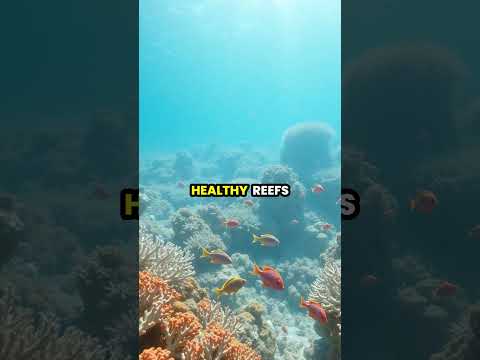
Alright, picture this: you’re on vacation in some tropical paradise, lounging by the beach with a cocktail in hand. Suddenly, you see a bunch of vibrant fish darting through colorful corals. It’s like nature’s own aquarium! But then, wait—what if I told you those stunning coral reefs are in serious trouble?
Yeah, seriously! It’s not just about pretty fish and fancy dive spots. Coral reefs are like the underwater cities of marine life. They’re home to thousands of species that rely on them for survival. But with climate change throwing a wrench into things, these reefs are at risk.
You know how it’s super hot lately? Well, oceans are heating up too, and that’s not good news for coral. It’s all connected—what happens on land affects what goes on beneath the waves. So grab your snorkel gear, because we’re diving into why these underwater wonders need our help pronto!
Exploring the Impact of Climate Change on Coral Reef Ecosystems: A Scientific Perspective
Coral reefs are some of the most breathtaking ecosystems on our planet. They look like colorful underwater cities, bustling with life. But climate change is turning this vibrant paradise into a dire situation. It’s super concerning, and I’m glad you’re interested in understanding what’s going on.
First off, let’s talk about temperature. Coral reefs thrive in warm waters, but they have a limit. When ocean temperatures rise just a couple of degrees due to climate change, it triggers coral bleaching. Basically, the coral gets stressed and kicks out the algae that provide it food and color. Without those tiny algae, the coral turns white and can struggle to survive—kind of like losing your lunch money and being stuck without food all day!
The ocean’s acidification is another biggie. As we pump more carbon dioxide (CO2) into the air, about one-quarter of that CO2 ends up absorbing into the oceans. This process changes the chemistry of seawater, making it more acidic. Coral needs calcium carbonate to build its skeletons—like us needing bones for our bodies—but more acidic water makes it harder for them to form these structures. Imagine trying to build a sandcastle with wet sand; it just doesn’t work well!
Then there are storms. With climate change, storms are becoming stronger and more frequent—think hurricanes on steroids! These storms can physically damage coral reefs by breaking them apart or burying them under rubble. It can be like an earthquake hitting your hometown; everything you love is suddenly gone.
Another point worth mentioning is sea level rise. This is partly due to melting ice caps but also because warmer water expands as it heats up. Reefs often need sunlight to thrive since photosynthesis by those algae is crucial for their survival. If sea levels rise too much and cover shallow reef systems, they might not get enough light anymore—sort of like sitting in a dark room when you want to read!
- A loss of biodiversity: Coral reefs support thousands of marine species. When reefs decline, so does the fish population dependent on them.
- Affects tourism: Places heavily reliant on reef tourism might lose income as their beauty diminishes.
- Cultural impacts: For many coastal communities worldwide, coral reefs hold deep cultural significance and support livelihoods.
You know what’s really hopeful? There’s resilience in nature! Some corals have shown signs they can adapt over time to changing conditions—sort of like how we adjust when life throws us curveballs. Scientists are working hard to understand this adaptation better so we can help protect these ecosystems that mean so much.
The reality is that if we don’t get serious about tackling climate change now—like reducing emissions and protecting our oceans—we risk losing these beautiful underwater worlds forever. It’s all connected: our actions today could determine whether future generations will ever get to experience the magic of coral reefs.
The fight for their survival might be tough but knowing the facts gives us power! So let’s keep talking about this issue—it matters more than ever.
Impact of Climate Change on Coral Reefs: Threats to Marine Ecosystems and Biodiversity
So, let’s chat about coral reefs and climate change. These beautiful underwater gardens are packed with life, but they’re in big trouble due to our changing climate. You know how we hear a lot about global warming? Well, it’s not just about summer heat waves and melting ice caps. It’s also affecting those vibrant reefs that you might have seen photos of or even snorkeled around.
First off, coral reefs support around 25% of all marine species. Yes, that’s like a quarter of the ocean’s life! From colorful fish to weirdly shaped mollusks and even sea turtles, reefs are like the bustling cities of the sea. But unfortunately, they’re experiencing some serious stress.
One major issue is ocean warming. Water temperatures are on the rise because greenhouse gases trap heat in our atmosphere. When water gets too warm—like above 1 degree Celsius over normal levels—coral starts to freak out. This leads to a phenomenon called “coral bleaching.” It sounds scary, right? Basically, when corals are stressed by heat, they expel the tiny creatures living in their tissues that give them color and help them get food through photosynthesis. Without those tiny partners known as zooxanthellae, corals turn white and can die if conditions don’t improve.
And let’s not forget about ocean acidification. As carbon dioxide levels rise in the air, more of it dissolves into ocean water—making it more acidic. This acidity makes it harder for corals to build their skeletons since they rely on calcium carbonate. Think of it as trying to build a sandcastle with wet sand; it won’t hold up very well!
- Coral bleaching occurs when temperature spikes stress corals.
- Ocean acidification weakens coral structures.
- Pollution from land can smother corals.
You might ask: What’s at stake besides those pretty fish? Well, coral reefs also provide crucial services to humans—like protecting coastlines from storms and erosion. When reefs degrade or disappear, coastal communities often face increased flooding and damage from storms because there’s nothing left to buffer those waves.
An emotional story comes from years ago when I watched a documentary highlighting coral reef restoration efforts in Australia’s Great Barrier Reef. Scientists were literally planting coral fragments back onto dying reefs! Seeing those vibrant pieces slowly take root was like watching hope bloom under water. Yet reality hit hard when they explained how fast things were declining around us.
If we keep ignoring these issues related to climate change—if we don’t cut down greenhouse gas emissions—we risk losing not only the breathtaking beauty of coral but also an essential part of marine biodiversity and ecosystem functionality.
The thing is that individual actions matter too! You can help by reducing your carbon footprint: use less plastic, drive less when you can walk or bike instead—every bit helps in this global puzzle!
In summary, coral reefs are crucial for marine biodiversity but face enormous threats due to climate change through ocean warming and acidification. The health of these ecosystems directly impacts our world too—from coastal protection to fish stocks important for communities worldwide.
No pressure or anything! Just remember that every choice makes some difference in this big picture as we try to save these underwater wonders together!
The Crucial Role of Coral Reefs in Ocean Ecosystems: Environmental Significance and Scientific Insights
Coral reefs are like the bustling cities of the ocean. Seriously, they’re vibrant ecosystems filled with life and color. Covering less than 1% of the ocean floor, they support around 25% of all marine species. Think about that! They’re home to fish, crustaceans, mollusks, and even sea turtles. It’s a small area but packed with diversity that’s crucial for the health of our oceans.
The environmental significance of coral reefs cannot be overstated. They act as natural barriers against storms and erosion, protecting coastlines from harsh waves and potential disasters. When you think about the damage storms can cause to coastal communities, it really hits home how vital these reefs are. Without them, we’d see more flooding and property damage along shorelines.
Now let’s talk about their role in marine ecosystems. Coral reefs provide habitat for countless species at different life stages. Young fish often find refuge among coral branches until they’re big enough to venture into open waters. The thing is, this habitat is not just a home; it’s also a hunting ground where species interact in complex food webs.
But it’s not all sunshine and rainbows for coral reefs. They’re facing some serious threats, especially from climate change. Rising ocean temperatures lead to coral bleaching—a process where corals expel the colorful algae living in their tissues. This makes them look pale and unhealthy because those algae help provide energy through photosynthesis. If temperatures stay high too long, bleached corals can die off completely!
Another major threat? Ocean acidification! When CO2 levels rise due to human activity, more carbon gets absorbed by oceans, making them more acidic. This affects coral growth since they rely on calcium carbonate to build their skeletons. It’s like trying to build a sandcastle with wet sand—it just doesn’t work as well.
Coral reefs also play an important role in supporting local economies through tourism and fishing industries. Healthy reefs attract tourists who want to snorkel or dive among colorful fish and stunning underwater formations! But when reefs degrade due to climate issues or pollution, these industries suffer too.
And here’s something emotional: When I was little, my family went on a vacation where we snorkeled above a reef in clear blue waters teeming with life—almost felt like being inside an aquarium! That experience opened my eyes to how beautiful and essential these ecosystems are; it struck me how important it is that we protect them for future generations.
So remember: Every time you hear about coral reefs or see pictures of those breathtaking underwater landscapes filled with fish, know that they’re not just pretty sights; they’re critical players in keeping our oceans healthy! Let’s take care of our watery friends because without them? Our seas would be a whole lot emptier—and darker too.
You know, coral reefs are like the vibrant cities of the ocean. When you think of them, it’s hard not to picture all those colorful fish darting around, right? But here’s the thing: these underwater wonders are in serious trouble. Climate change is putting them at risk, and that impacts not just the reefs but entire marine ecosystems.
I remember this time I went snorkeling off a tropical coast. The water was crystal clear, and I felt like I was in an aquarium—so many species living together. It was breathtaking! But even then, there was this nagging thought at the back of my mind about how fragile it all seemed. Coral reefs cover less than one percent of the ocean floor but are home to about 25 percent of all marine life. That’s wild! But they’re getting hammered by rising temperatures and ocean acidification.
You see, warmer waters can cause coral bleaching—a process where corals expel their colorful algae partners. When that happens, they lose their color and critical food source. Bleached corals become stressed and more susceptible to disease; it’s like they’re losing their lifelines. Imagine being in a bustling city where suddenly everything starts shutting down due to lack of resources; that’s kinda what’s happening with coral reefs.
And it doesn’t stop there—these reefs play a huge role in protecting coastlines from storms and erosion. Without them, coastal communities might face greater risks from extreme weather events, which seems unfair considering they’ve been protecting us all along.
But here’s the kicker: while scientists are racing against time to undo some damage through conservation efforts and marine protected areas, we can’t ignore our role either. Every small action counts! By reducing our carbon footprint or supporting sustainable fishing practices, we can help create a healthier environment for these stunning ecosystems.
So yeah, coral reefs are at risk—but they aren’t beyond hope yet. With awareness and effort from all sides, maybe we can keep those underwater cities thriving for generations to come. It’s kind of a team effort between nature and us humans—after all, we’re all in this together!