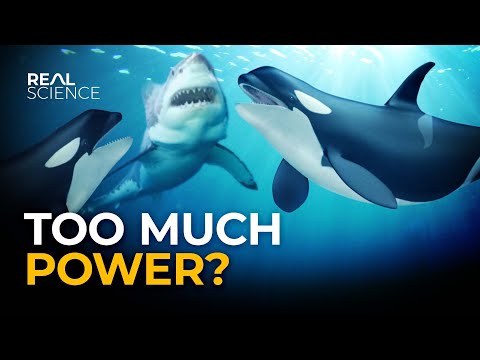
So, picture this: you’re at an aquarium, right? Everyone’s watching the dolphins do their fun flips, and then—boom!—a killer whale crashes the party. Seriously, these majestic creatures are like the rockstars of the ocean.
Did you know that orcas can swim up to 34 miles per hour? That’s faster than a cheetah on land! Crazy, huh? But there’s so much more to them than just their speed.
These whales have some wild social structures and complex communication skills. They’re basically like underwater ninjas with a touch of family drama. But don’t let the name fool you; they’re not just cold-blooded killers (even though they have that vibe).
So let’s dive into the fascinating world of killer whales and explore what makes them tick. You ready for it? Let’s go!
Exploring the Anatomy of Killer Whales: Insights into Marine Biology and Ecology
Killer whales, or orcas as they’re often called, are among the most fascinating creatures in the ocean. When you see them swimming in pods, it’s like watching a well-rehearsed performance. Seriously! But behind their sleek, powerful exterior lies some really interesting anatomy and behavior that shows just how adapted they are to life in the sea.
First off, let’s talk about their size. Adult killer whales can grow up to 32 feet long! That’s about the length of a small bus, if you think about it. They can weigh anywhere from 8,000 to 12,000 pounds. Just imagine! But size isn’t everything; it’s what’s on the inside that counts too.
- Body Structure: Their bodies are streamlined for swimming fast and efficiently. Orcas have large dorsal fins that can stand tall above the water. Male orcas have particularly impressive fins—sometimes reaching up to six feet! You can spot a male from a distance just by those fins.
- Coloration: The distinctive black-and-white coloring is not just for show; it helps them blend into their environment. The dark color on top makes them less visible from above while hunting, and the lighter belly matches the sky when viewed from below. Sneaky!
- Teeth: Killer whales have big teeth—up to four inches long! They use these teeth not just for biting but for grabbing slippery prey like seals and fish.
You know what’s crazy? Their social structure! Killer whales live in family groups called pods, which can sometimes consist of 40 members or more. Each pod has its own dialect of clicks and whistles—like a secret language! It really shows how intelligent these animals are.
Speaking of intelligence, did you know that orcas are known to exhibit cultural behaviors? Like some pods hunt seals by creating waves to wash them off ice floes. But there’s more: they also play with each other and even with other species at times. It’s like their own version of socializing!
- Diet: These guys are apex predators! They eat everything from fish to seals—even whale species larger than themselves. The diversity in diet is quite impressive—you could say they’re foodies of the ocean.
- Echolocation: Killer whales use echolocation to hunt and navigate through murky waters. Basically, they send out sound waves that bounce back off objects around them—this helps them figure out where things are situated without even seeing them!
An emotional moment I often think about is watching a group of killer whales breaching near a boat I was on once—it was absolutely breathtaking! Seeing their sheer power up close drives home how intricate and interconnected marine life is.
Killer whales also play an important part in marine ecosystems as both predators and social animals—they help keep prey populations balanced. Without them, we’d see changes in fish populations which could ripple through marine ecosystems leading to serious consequences.
The study of these magnificent creatures gives us amazing insights into marine biology and ecology overall. And really, every new thing we learn helps us understand not only killer whales but the entire oceanic world better!
So next time you hear about those iconic black-and-white beauties leaping through waves or calling out in the sea mist, think about all this incredible anatomy behind those moves!
Exploring the Anatomy of Killer Whales: Insights into Marine Biology and Conservation
When you think about killer whales, or orcas as they’re often called, it’s hard not to get excited. These magnificent creatures are not just the biggest members of the dolphin family; they’re also among the most intelligent and social animals in the ocean. Let’s break down their anatomy a bit and see how it ties into their behavior and conservation.
So, first off, let’s talk about size. An adult male killer whale can grow up to 32 feet long and weigh around 12,000 pounds. Females are a bit smaller, reaching about 28 feet long. Their bodies are built for speed and agility in water, which is crucial for hunting.
Their trademark black-and-white coloring isn’t just for looks; it’s actually a form of camouflage. When viewed from above, their dark backs blend into the ocean depths. From below, their white bellies look like sunlight filtering through water. This helps them sneak up on prey—pretty clever, huh?
Killer whales have interesting adaptations when it comes to their dorsal fin. Males sport tall dorsal fins that can reach up to 6 feet! Meanwhile, females have shorter ones. This difference helps scientists tell them apart when observing pods in the wild.
A big part of why orcas are so successful hunters is their teeth. They have up to 40 conical teeth that can be about 4 inches long! These teeth allow them to grip slippery prey like fish and even seals with ease. Speaking of seals—they make up quite a bit of their diet!
Their social structure is pretty amazing too. Orcas live in groups called pods, which can consist of family members that stick together for life. Each pod has its own unique dialect—a set of calls and sounds that help them communicate with each other over large distances. It’s like they have their own language!
Now let’s switch gears a bit and chat about conservation issues surrounding these incredible creatures. Due to habitat loss, pollution, and depletion of prey stocks caused by overfishing, orcas face real threats out there in the wild.
- Toxins: Chemicals from human activities accumulate in orca bodies over time.
- Noisy oceans: Increased boat traffic disrupts their communication.
- Prey depletion: Overfishing impacts the availability of food sources like salmon.
You know what? I once went on a boat tour hoping to see these beauties in action. As we sailed along the coast, I spotted one breaching—leaping out of the water! It was breathtaking! But then I learned that fluctuations in salmon populations could lead them away from areas where they used to thrive. That really hit me hard—it makes you realize how interconnected everything is.
The good news is that there’s growing awareness around protecting killer whales and their habitats! Conservation efforts focus on everything from reducing fishing quotas to creating marine protected areas where they can roam freely without disturbance.
If you find yourself fascinated by these incredible animals (and who wouldn’t be?), remember—every little effort counts when it comes to conservation! By supporting sustainable practices and advocating for cleaner oceans, we can all play a part in ensuring future generations get to marvel at killer whales just like I did that day on the water.
Comprehensive Study of Killer Whales: Downloadable PDF Resources for Scientific Research
Alright, let’s talk about killer whales, or orcas, as they’re often called! These magnificent creatures are way more than just their black and white appearance. Seriously, there’s a lot going on under the surface—both literally and figuratively. So when we dig into their anatomy and biology, things get really interesting!
First off, killer whales are part of the dolphin family. They’re smart cookies with complex social structures. Ever heard of pods? That’s what they call their family groups. These pods can be small or large and consist of related individuals. You might find them working together to hunt or even communicating in ways that scientists still don’t completely understand.
Now, if you’re looking into resources like downloadable PDFs for research purposes, you’re in luck! Many universities and marine biology institutions have compiled studies focusing on killer whales’ anatomy and behavior. Such resources often include:
- Detailed anatomical diagrams: These show the various systems of the whale, from respiratory to musculoskeletal.
- Behavioral studies: Insight into how these whales interact socially.
- Nutritional requirements: What do they eat? How does it affect their lifestyle?
- Habitat range: Information on where they’re found globally and environmental impacts.
Oh! And let’s not skip over their unique features. For instance, the dorsal fin of a killer whale can reach heights of up to six feet! This not only helps with balance but also plays a role in social interactions. Just imagine swimming alongside one—it’s like meeting an amazing sea giant!
Speaking of interactions, did you know that orcas can have different dialects based on their pod? They use a range of clicks and calls for communication. Some researchers have even noted specific sounds that signal different activities like hunting or just hanging out.
So why is understanding the anatomy of killer whales important? Well, it helps us grasp how they fit into marine ecosystems. Their role as apex predators means they help maintain balance within ocean habitats by controlling fish populations and influencing prey dynamics.
In recent years, there has been heightened interest in studying these animals due to environmental changes impacting their lives—like pollution and climate change. Scientists are using advanced technology like satellite tagging to monitor their movements and health more closely.
If you want some solid info for your research projects or just personal curiosity about killer whales’ anatomy and biology, check out those PDF resources I mentioned earlier—they’re super valuable! They can give you access to peer-reviewed articles created by scientists who spend years investigating these fascinating animals.
So yeah, killer whales are more than just cool-looking sea creatures; they’re complex beings deserving our attention while we protect our oceans!
You know, killer whales, or orcas as they’re often called, are like the rock stars of the ocean. When you see one in action, it’s hard not to feel a little awestruck. I remember this one time when I went whale watching with some friends. We spotted a pod, and for a moment it was as if time stood still. They were breaching and swimming with such grace and power—it was something you don’t forget easily.
Now let’s chat about their anatomy a bit. Killer whales are massive! They can grow up to about 20-26 feet long—that’s like a small school bus swimming through water! Just imagine that for a second. Their sleek bodies are designed for speed and agility, making them incredible hunters.
These guys have distinct color patterns too. Usually, they’re black on top with white patches on the sides and belly. It’s not just for show; it helps them blend in within the ocean depths. From above, they look dark against the shadows of the water, while from below? They blend right into the light filtering down through the surface. Pretty clever strategy, huh?
Their teeth are quite something as well! Orcas have 40-56 conical teeth that can grow up to 4 inches long—yikes! These aren’t just for chewing; they’re perfect for grabbing slippery fish like salmon or even seals if needed. And each pod has its own unique hunting style and diet preferences—some love fish while others might go after larger mammals.
What’s really interesting though is their social structure. Orcas live in family groups called pods, which can include anywhere from a few individuals to several dozen whales. These pods often consist of mothers and their offspring—like a close-knit family unit living out in the vast ocean blue.
And let me tell you about their communication skills; these whales sing! Each pod has its own unique set of calls or sounds that they use to communicate with each other. It’s kind of like having your own language; how cool is that? It really shows how intelligent they are.
Killer whales capture our fascination not just because they’re amazing hunters but also because they display complex social behaviors similar to humans—you might even say there’s an emotional depth there that’s hard to ignore.
So when you think about marine biology and creatures like killer whales, you’re tapping into something profound: life beneath the waves that constantly teaches us about community, adaptation, and survival in one of Earth’s most mysterious environments. Next time you’re near an ocean or lake where they might swim by, take a moment to appreciate those majestic beings—you never know what stories they hold within those deep blue waters!