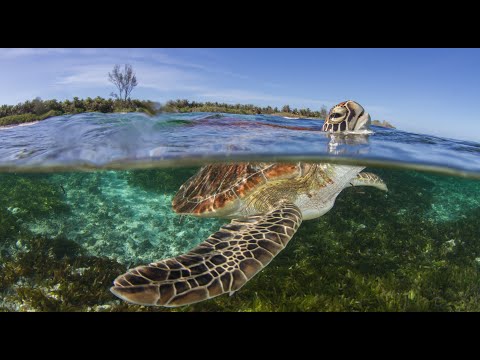
So, picture this: you’re on a beach, soaking up the sun, munching on some fries. Suddenly, a seagull swoops down and makes off with your last fry. Crazy, right? But it got me thinking about how connected everything is out there in the ocean and along the shore.
Marine ecology is like this huge, intricate web of life. Seriously! From tiny plankton to massive whales, each creature plays its own part in the big picture. We tend to forget about all that while we’re just trying to enjoy a beach day.
But here’s the thing—those underwater worlds are teeming with mysteries and stories. Ever wonder what goes on beneath the surface? You know, how coral reefs form those colorful ecosystems or why certain fish school together? It’s wild!
So let’s chat about oceans—the heartbeat of our planet—and dive into some of that marine magic! You in?
2025: A Pivotal Year for Ocean Science and Global Marine Conservation
So, let’s chat about 2025 and why it could be a major turning point for ocean science and marine conservation. You might be wondering why this year is getting all the hype. Well, 2025 marks a key deadline for several international agreements that aim to protect our oceans. The thing is, our oceans are facing some serious challenges, and understanding these can help us take action.
First off, think about climate change. Rising temperatures are messing with ocean currents, which in turn affects weather patterns worldwide. Not to mention the ocean’s role in absorbing carbon dioxide—if the waters get too warm, their ability to do this diminishes. And that could lead to even more severe climate issues. Isn’t that something?
Another big deal is overfishing. We’ve been taking too much from the sea without giving it a chance to recover. By 2025, scientists hope we’ll have better regulations in place thanks to data collected through marine ecology studies. These studies help show just how much fish stocks have dwindled and where we can improve. You know, it’s like trying to fix a leaking bucket—you gotta know where the holes are first.
- The UN Sustainable Development Goals are urging countries to manage their oceans sustainably.
- Marine Protected Areas (MPAs) are being expanded; these are like safe havens for various marine species.
- The global community is pushing for stronger laws against plastic pollution, which has become an urgent issue.
This brings us to collaboration! The truth is, no one nation can tackle these issues alone. Countries need to work together—share information and strategies for conservation efforts. For instance, some regions have started using technology like autonomous drones and underwater sensors to monitor marine life and habitats more effectively.
We also have citizens stepping up! Community-driven conservation projects are becoming increasingly common. It’s amazing when you see coastal communities banding together not just for their livelihoods but also for the health of the environment they depend on—it gives you some hope!
If we look ahead towards 2025, there’s an exciting mix of science and activism at play here. But remember: change doesn’t happen overnight; it requires ongoing efforts from everyone involved. If we keep up with research and stay committed to protecting our seas, we could really make progress by then.
So yeah, whether you’re interested in marine biology or just want clean beaches—the future looks promising if we all pull together!
Discovering New Marine Life: The Guitar Shark and Other Species Unveiled in the Ocean Census
So, let’s chat about something super cool: discovering new marine life, like the guitar shark. You might not have heard of it—most people haven’t—but it’s a pretty neat creature and part of recent discoveries like those from the Ocean Census.
The guitar shark is not your typical shark. It’s kind of flat and looks a bit like a stingray in that way. They chill on the ocean floor and can be found in coastal waters, especially around Australia. It’s really fascinating how they blend in with sandy habitats. They use their unique shape for hunting; they ambush smaller fish by lying low and waiting for the perfect moment.
But wait, there’s more! The Ocean Census is like this big treasure hunt for marine species. Scientists have been exploring all sorts of habitats from coral reefs to deep ocean trenches. They’re trying to count and classify every living thing they find under the waves.
Here are some cool things we’ve learned along the way:
- Incredible Biodiversity: There are millions of species in our oceans, and many haven’t even been discovered yet!
- Unique Adaptations: Creatures like the guitar shark show how diverse life can be—each has its own tricks for survival.
- Impact of Climate Change: Some species are struggling due to rising temperatures and pollution; understanding them is key to protecting them.
- Cultural Importance: Marine life shapes cultures around the world—from food to folklore; preserving this is vital.
I remember watching a documentary where researchers found a glowing jellyfish in the deep sea—it was mesmerizing! These discoveries often come with exciting technology too, like submersibles that can explore depths we never could before.
And here’s something wild: as scientists catalog these species, they’re also learning more about ecosystems as a whole. Everything’s connected—you know? If one piece goes missing, it impacts everything else.
What’s even cooler? There’s still so much left to explore! Every expedition brings new surprises, reminding us just how little we know about our oceans. So many species might be out there just waiting to be named or understood.
In short, discovering new marine life not only uncovers incredible creatures like the guitar shark but also helps us grasp bigger ecological issues. It’s amazing what lies beneath those waves!
Exploring the Depths: Newly Discovered Sea Creatures of 2025 and Their Significance in Marine Science
So, the ocean, right? It’s this giant, mysterious blue space that covers more than 70% of our planet. And you won’t believe what’s been happening under those waves lately. In 2025, researchers made some crazy discoveries of new sea creatures that totally shake up what we know about marine life!
These new findings aren’t just cool but also super important for marine science. Let’s break it down a bit.
- Diverse Ecosystems: The recent discoveries highlight the vast biodiversity of the oceans. For instance, scientists stumbled upon a jellyfish that glows in the dark—like something straight outta a sci-fi movie! This creature actually has special proteins that emit light. How wild is that?
- Climate Change Indicators: Some of these newly found species can help us understand how climate change affects marine ecosystems. Think about it: if certain fish or corals start migrating to cooler waters, it’s an early warning sign for us. Keeping an eye on these creatures might tell us a lot about our changing environment.
- New Food Sources: With populations growing and food security becoming more crucial, exploring these depths could lead to finding sustainable food sources from the ocean. Imagine discovering a new kind of seaweed that’s not only delicious but also packed with nutrients!
- Medicinal Potential: Many marine organisms produce compounds that could lead to new medicines. Like, who knew some sea sponges could have ingredients useful for treating cancer? The deep sea is basically an untapped pharmacy waiting to be explored.
A little while back, I was watching this documentary on deep-sea creatures, and it reminded me of how much we still don’t understand about our oceans. They showed footage of a bizarre-looking fish with eyes on top of its head! It was both weird and beautiful at the same time—just like the ocean itself.
If you think about it, every new species we find is like opening a box we didn’t even know existed. Each creature could have its own role in the ecosystem or even offer solutions to problems we face on land! It’s seriously exciting stuff!
The bottom line is that each dive into the undiscovered parts of our oceans teaches us more than just biology; it helps us reconnect with our planet’s health and future.
You know, oceans have this magical way of captivating us, don’t they? I mean, just think about the last time you were by the sea. The sound of waves crashing, the salty breeze on your face… it’s like a big hug from nature. But beyond all that beauty, there’s so much going on beneath the surface that many of us never really think about. That’s where marine ecology comes in.
Marine ecology is all about understanding how life thrives in ocean environments. It’s not just fish swimming around; it’s an intricate web of life that includes everything from tiny plankton to massive whales! These creatures rely on one another in ways that are super complex and essential for keeping our oceans healthy. Crazy to think how a little phytoplankton can be a big deal for the whole food chain, huh?
I remember a school trip to an aquarium when I was a kid. They had this massive tank filled with colorful corals and fish darting around like they were in their own little world. I was mesmerized! But what hit me harder was learning about coral reefs and how they’re like bustling cities under water, supporting countless species while also needing protection from threats like climate change. It made me realize just how delicate and connected everything is.
But here’s the kicker: our oceans are facing some serious challenges. Overfishing, pollution, and climate change are putting immense pressure on marine ecosystems. And while we sit on land enjoying our beach days, these issues ripple out to affect us too! Like, have you ever thought about where your seafood comes from? Or how plastic waste ends up miles away from city shores?
In marine ecology, scientists work tirelessly to study these environments and find solutions to protect them. They look at interactions within ecosystems—like predator-prey relationships—and assess how humans impact these delicate balances. It’s like being detectives trying to solve mysteries of the ocean!
So here’s the deal: appreciating our oceans goes beyond just wanting to dip our toes in; it means understanding their significance and taking action when we can. Every little bit helps! Whether it’s reducing plastic use or supporting sustainable fishing practices, we all play a part.
At the end of the day, it really strikes me how interconnected we are with marine life. Our health depends on theirs—the cleaner and healthier they are, the better for everyone on this planet! So next time you’re near water, take a moment to reflect on what lies beneath those waves—just waiting for us to take notice and care for them a bit more!