So, picture this: you’re chilling on the beach, sipping a cold drink, and suddenly a dolphin leaps out of the water right in front of you. Like, how cool is that? Those moments make you think about what’s really going on under the waves.
Marine biology is like a backstage pass to the ocean’s greatest show. You get to swim with all sorts of creatures, from tiny plankton to massive whales. It’s a whole world down there that we still don’t know much about!
If you’re someone who loves nature and has a curiosity for all things aquatic, then studying marine biology might just be your jam. Imagine making a career out of exploring coral reefs or studying sea turtles. Pretty sweet, huh?
Diving into this field can open so many doors, whether it’s research, conservation, or even education. So let’s dive into what it really means to earn that marine biology bachelor’s degree and how it can be your gateway to understanding the ocean’s mysteries!
Understanding the Distinction: Ocean Science vs. Marine Biology in the Field of Science
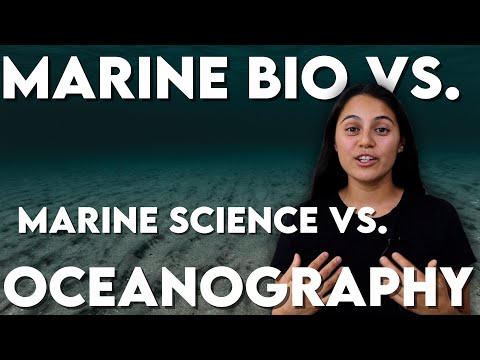
So, let’s break it down: ocean science and marine biology. People often mix them up, but they really focus on different things. Ocean science is like the broad umbrella that covers everything about the ocean. It includes all those cool aspects such as ocean currents, waves, and even the geology of the seabed.
Now, marine biology? That’s way more specific. It zooms right in on living things in the ocean. Think fish, whales, coral reefs—you name it! If it’s alive and wet, marine biology is all over it.
In ocean science, you might study how climate change affects sea temperatures or how pollution impacts ocean chemistry. You’d get into those big questions about how oceans interact with the atmosphere and what that means for our planet’s health.
On the flip side, marine biologists are like detectives. They’re out there figuring out how organisms interact with each other and their environment. You know how dolphins seem to play around just for fun? A marine biologist might look into why they do that and what it means for their social structures.
- Ocean Science: Studies physical features of oceans like currents and waves.
- Marine Biology: Focuses on organisms within oceans—how they live and interact.
The cool part? These fields often work closely together. For example, if a marine biologist discovers a new species of jellyfish that glows in the dark due to chemical reactions in its body, an ocean scientist might want to investigate how changes in temperature or salinity influence its habitat.
I remember a time visiting an aquarium where they had this stunning jellyfish exhibit. I was captivated not just by their beauty but also by thinking about all the work behind studying them—how both types of scientists had to collaborate to understand these mesmerizing creatures better!
A degree in something like marine biology can definitely open doors into many areas within ocean science. You’ll learn not just about life forms but also gain insight into environmental protections and conservation efforts critical for maintaining healthy oceans.
If you’re interested in preserving marine ecosystems while understanding physical processes at play in our oceans—these fields are pretty much perfect complements to each other!
The distinction is clear: while one embraces everything related to our vast oceans scientifically—the other dives deep into living beings that call these waters home. And together? They form an amazing narrative about our blue planet! So next time you hear someone toss around these terms interchangeably, you can explain with confidence! Seriously!
Exploring Career Opportunities with a Bachelor’s Degree in Marine Biology: Pathways in Science and Conservation
So, you’ve got your sights set on marine biology, huh? That’s pretty awesome! There’s a whole ocean of possibilities waiting for you with a bachelor’s degree in this field. Let’s explore some career paths and what you might encounter along the way.
First off, marine biology isn’t just about swimming with dolphins or studying coral reefs, although that sounds cool too! The thing is, it covers a wide range of areas like research, conservation, education, and even policy-making.
Research positions can be quite exciting. You could work in laboratories or out in the field studying marine organisms. Imagine analyzing data about fish populations or working on understanding how climate change affects ocean ecosystems. Many researchers spend part of their time at sea collecting samples or observing wildlife; it can feel a bit like an adventure!
Then we have conservation roles. These jobs are all about protecting marine environments and promoting sustainability. You could find yourself working with non-profit organizations or even governmental agencies focused on ocean conservation—helping to establish protected marine areas or working on restoring habitats.
In addition to these roles, educational positions are also available. Becoming an educator in schools or at aquariums allows you to share your passion with others. Think about leading kids on field trips to tide pools or designing engaging displays about marine life at an aquarium! Inspiring the next generation is super rewarding.
There’s also the policy side, where you might get involved in environmental policy-making and advocacy. This path usually requires more than just your bachelor’s degree—a lot of folks go on to get advanced degrees for this kind of work—but it’s crucial for creating laws that protect our oceans.
Finally, internships provide invaluable experience and networking opportunities. They help you build connections within the field and gain practical skills that might not come up in classes alone. So don’t shy away from applying for those summer programs; they can be stepping stones to your dream job!
In summary, a bachelor’s degree in marine biology opens up numerous pathways:
- Research positions – both lab-based and fieldwork.
- Conservation roles – protecting ecosystems and wildlife.
- Educational positions – inspiring others through teaching.
- Policy-making careers – advocating for environmental protection.
- Internships- gaining practical experience and networking.
All these options depend greatly on what you’re passionate about. So when considering your career in marine biology, take some time to really think: What do you enjoy most? And remember: Even if one path doesn’t seem right for you now, there are plenty of currents leading elsewhere!
Exploring the Ocean: The Role of Marine Biologists in Underwater Research and Conservation
So, you’re curious about exploring the ocean and what marine biologists do, huh? Well, the ocean is this giant, mysterious place filled with wonders. Seriously, it covers over 70% of our planet! Marine biologists are like the detectives of the underwater world—they study everything from tiny plankton to massive whales.
These scientists play a huge role in understanding marine ecosystems. Marine biology isn’t just about pretty fish or coral reefs; it’s about how life functions in these vast waters. They look at how different species interact with each other and their environment. You know, like how sharks help keep fish populations healthy by keeping weaker fish in check. It’s all connected!
And what’s super cool is that marine biologists often get to go diving or use submersibles to explore areas most people never see. Picture swimming alongside vibrant schools of fish or watching a sea turtle glide gracefully through the water—amazing, right? This hands-on research helps them gather data on species behavior and health.
- Research and Conservation: Marine biologists study everything from pollution effects on coral reefs to tracking whale migration patterns. This research feeds into conservation efforts, ensuring we protect these vital ecosystems.
- Public Awareness: They also educate others about the importance of oceans—how vital they are for our survival. Did you know oceans produce more than half of the world’s oxygen? Yeah, no pressure!
- Crisis Management: With challenges like climate change and overfishing rising up, marine biologists are essential in crafting strategies to protect endangered species and habitats.
I once met a marine biologist who shared this incredible story about tagging sea turtles. They tracked one turtle for years and discovered it swam thousands of miles! That kind of dedication is inspiring. It shows how much there is to learn from these creatures if we just take the time.
If you’re excited by all this and think this might be your scene, studying for a Bachelor’s degree in Marine Biology could be your first step into this vast oceanic adventure! You’ll learn about ecology, genetics, and even some chemistry—basically getting equipped with tools for making a difference.
The thing is, every bit of knowledge helps us protect our oceans better. The more we understand them, the more likely we can ensure they thrive for future generations—and that’s something worth diving deep into!
So whether you’re dreaming of swimming with dolphins or researching climate impact on coral reefs, marine biology has this exciting blend of adventure and science waiting just below the surface.
When you think about marine biology, what comes to mind? For me, it’s those endless blue waves, the creatures swimming below the surface, and the mysteries of the ocean waiting to be uncovered. I still remember that one family vacation at the beach when I was a kid. My dad took me tide-pooling, and I was hooked. We turned over rocks and found starfish, crabs, and even little fish hiding in the tide pools. It was like finding treasures! The ocean felt alive, and I knew then that there was so much more to learn.
Pursuing a Marine Biology Bachelor’s Degree is like getting your passport stamped for an exhilarating journey into the world of ocean science. You get to explore everything from tiny plankton to massive whales. And let’s be real; who wouldn’t want to spend their days studying dolphins or uncovering coral reef mysteries?
But it’s not just about the cool creatures. This degree dives deep—pun intended!—into understanding ecosystems, conservation efforts, and how climate change is impacting marine life. You’ll learn about ocean chemistry too; think of it as finding out how all those beautiful colors in coral reefs come together.
And you know what? It can be tough sometimes. The curriculum can be pretty rigorous—like balancing chemistry classes with fieldwork in sometimes unpredictable environments! But that challenge is super rewarding because you emerge knowing how to contribute meaningfully to an area that’s so vital for our planet.
Plus, there’s something wild about being part of such a large community of scientists who are just as curious as you are. Collaborating with others who share your passion for preserving our oceans makes it all feel worthwhile.
It’s not just an educational path; it’s an adventure full of discoveries that could lead to essential innovations in conservation or even medicine! Seriously, a lot of breakthroughs come from studying marine organisms.
So if sharks and sea turtles excite you or if you just want to do your part in saving our oceans, this degree can really open doors for you into exciting careers—whether it’s research in remote reefs or teaching others about marine ecosystems.
In essence, a Marine Biology Bachelor’s Degree is more than just learning—it’s about connecting with nature and being part of something bigger than ourselves. It might just ignite that same spark I felt on that sunny beach day all those years ago!