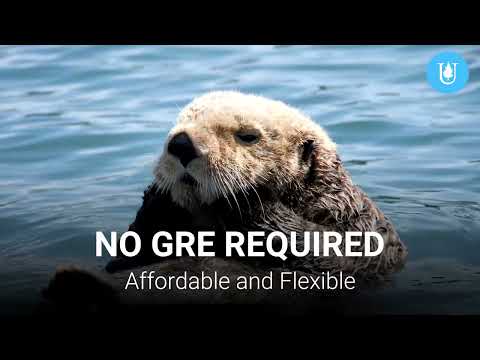
So, picture this: you’re at the beach, right? The sun’s shining, and you’re just trying to enjoy some waves. Suddenly, a dolphin pops up out of nowhere! How cool is that? Seriously, it made my whole day!
Now, what if I told you those magical moments could turn into a career? Yep, I’m talking about pursuing a Master’s in Marine Biology. It’s not just about fish and coral reefs. It’s like diving deep into the ocean’s secrets and coming back to share them with everyone.
You might be wondering why anyone would want to dedicate their life to studying marine life. Well, there’s so much out there we still don’t understand! From the tiniest plankton to the largest whales, the ocean is bursting with stories waiting to be told.
And here’s the kicker: it’s not all lab work or field research. A big part of it is connecting with people and sparkin’ their interest in our oceans. Imagine having conversations that ignite passion for marine conservation. That’s where scientific outreach comes in!
Let’s chat about why pursuing a Master’s in Marine Biology can be one of those wild rides that keeps your heart racing while making a difference. Sound good?
Exploring the Highest Paying Specializations in Marine Biology: A Comprehensive Guide
Marine biology can be a really exciting field, full of unique opportunities and discoveries. If you’re thinking about diving into this world and, specifically, looking at the highest paying specializations, you’re in the right place! I mean, let’s face it, who doesn’t want to combine passion with a decent paycheck?
First off, it’s good to point out that marine biology is super broad. You can specialize in anything from coral reefs to marine mammal behavior. But some areas tend to pay better than others. Here’s a quick look at some of those specializations:
- Marine Biochemistry: This field focuses on the chemical processes within marine organisms. If you enjoy lab work and want to explore oceanic life at a microscopic level, this could be your jam. Positions here can pay pretty well since it often involves research for pharmaceuticals or environmental monitoring.
- Marine Ecology: Think of this as the study of how living things interact with each other and their environments in oceans or seas. Ecologists often work on conservation projects or ecosystems restoration, which is really important work — and can also lead to solid job prospects.
- Aquaculture: It’s all about farming fish and other aquatic organisms. As global demand for seafood increases, so does the need for sustainable practices in aquaculture. Jobs in this area have become increasingly lucrative as companies look for ways to feed our planet responsibly.
- Marine Biotechnology: This specialization harnesses marine resources for developing new technologies or products, from biofuels to new medical treatments. It’s an innovative field that often attracts good funding from both private industries and government grants.
- Cruise Ship Naturalists: Not exactly what you’d think when considering high-paying jobs in marine biology! But if you love talking about the ocean while exploring it during cruises, it could lead you to unexpected earnings through tips and contracts!
The salary range varies widely based on your specific role and experience level—like any other profession—plus where you’re working matters too! For instance, research positions at universities may not be as high-paying as industry roles but can offer more stability. On the flip side, working with NGOs might not fetch big bucks but offers significant emotional rewards from impactful conservation efforts.
If education is on your radar (which it probably is!), pursuing a Master’s in Marine Biology could be crucial. A master’s degree opens doors to advanced research positions or specialized roles that usually come with higher salaries compared to just a bachelor’s degree.
You know what always gets me? The passion behind these careers! I once met an underwater researcher who told me about her exploration of shipwrecks off the coast of Florida—she described how each dive felt like uncovering stories lost under waves for decades! It’s not just about money; it’s about making connections with nature while earning a living doing something you truly love.
If you’re seriously considering or already pursuing this path, remember: following your interests while being mindful of salary potential creates a fulfilling career balance! In marine biology, passion pushes innovation forward—and trust me when I say there’s plenty out there waiting just beneath the surface!
Exploring Volunteer Opportunities in Marine Biology: Dive into the World of Ocean Conservation
So, let’s talk about volunteer opportunities in marine biology. It’s like a treasure chest of experiences if you’re into ocean conservation. I mean, the ocean is so alive with mystery and beauty, right? Think about those times you’ve seen stunning coral reefs or playful dolphins. Well, there are loads of ways to get involved and help protect these incredible ecosystems.
One popular way to dive in is through research internships. Many organizations welcome volunteers to assist in gathering data on marine life. You might be helping to track fish populations or studying the health of coral reefs. Imagine spending your days on a boat, taking measurements, or even snorkeling! Sounds fun, huh?
Another opportunity is through beach cleanups. This can be a hands-on way to make an impact. Beaches can get pretty messy with plastic and trash that harm wildlife. Volunteering for beach cleanups not only helps keep habitats healthy but also raises awareness within your community about pollution issues. You might even meet fellow ocean lovers who share your passion!
Then there’s education and outreach programs. Some organizations focus on teaching people about marine biology and conservation efforts. You could help create presentations, run workshops, or even guide school field trips! It’s a great way to share your enthusiasm for the ocean with younger generations—like planting seeds of curiosity.
A cool example would be volunteering at an aquarium or marine center. These places often need help caring for animals and teaching visitors about the ocean’s inhabitants. Plus, you learn so much while being surrounded by fascinating creatures! From sea turtles to colorful clownfish, it really gives you that up-close experience.
Now, keep in mind that many volunteer positions require some prior knowledge or training in marine biology—especially if you’re reaching out to big NGOs or research institutions. But don’t let that worry you; there are plenty of entry-level opportunities for those just starting out too.
Networking is another huge part of this world. Getting involved in local marine initiatives can connect you with professionals already working in the field. Who knows? You might land a mentor who helps you navigate your studies and future career!
In my experience accumulating those volunteer hours feels rewarding, like you’re part of something much bigger than yourself. I remember one time I took part in a coral restoration project where we planted baby corals back into damaged reefs. Standing there underwater felt magical as I watched them flutter in the current—a reminder of how crucial our work was for future generations.
So yeah, exploring volunteer opportunities in marine biology isn’t just about getting your feet wet; it’s an adventure full of learning and passion for our oceans! And whether it’s research work or education outreach, remember every little act contributes toward conservation efforts that matter deeply—not just for us but for all life forms swimming around down there!
Exploring the Value of a Master’s in Marine Biology: Career Opportunities and Scientific Impact
So, marine biology. It’s this super exciting field dedicated to studying the ocean and its incredible life forms. Getting a **Master’s in Marine Biology** can open up some interesting pathways, both for your career and for the planet’s health. Let’s break it down.
First off, why a master’s? Well, it dives deeper—pun intended—into specialized topics like marine ecology, conservation, or even oceanography. You get to conduct research, which is so important because we’re facing tons of challenges like climate change and pollution. Having that advanced knowledge helps equip you to tackle these issues head-on.
When you think about careers with a master’s in this field, there’s quite a variety. Here are some options:
- Research Scientist: You might work at universities or research institutions. This role involves designing studies and collecting data about marine ecosystems.
- Marine Conservationist: If you’re passionate about protecting ocean habitats, this could be your jam! You’d collaborate with governments and NGOs to create policies that safeguard marine life.
- Aquarium Scientist: Working in aquariums can be super rewarding! You’d educate the public on marine species while conducting research on them.
- Environmental Consultant: Companies often hire experts to assess environmental impacts on coastal areas. You’d provide insights that help them minimize harm.
- Science Communicator: Here’s where outreach comes into play! With your knowledge, you could write articles, create educational programs, or give talks to spread awareness about marine science.
One time I heard from a friend who worked as a science communicator after getting her master’s. She shared an inspiring story about speaking at schools and engaging kids with interactive lessons on coral reefs. It was amazing how she brought science to life for those kids!
The scientific impact of marine biologists is profound! Through their work—whether it’s restoring endangered species or researching the effects of plastic on marine life—they’re making real changes in preserving our oceans for future generations.
And don’t forget about collaborations! You’re likely going to cross paths with ecologists, climatologists, and even policymakers. Building those networks can really amplify your impact.
In summary? A Master’s in Marine Biology holds tons of potential not just for personal growth but also for making a difference in our world’s oceans. The more scientists we have advocating for the seas, the better chance we have at finding sustainable solutions for our future.
So if you’re considering this path? Go for it! It’s all about connecting with nature and helping others understand its beauty and importance. Plus, there are few things more magical than exploring the depths of our planet’s blue heart!
So, you know how when you’re sitting on a beach, feeling the breeze and watching the waves roll in, it kinda hits you—there’s a whole world under that water? I think a lot of us have that moment where we realize just how amazing marine life can be. Pursuing a Master’s in Marine Biology can feel like diving deeper into that world, but it’s not just about understanding fish and coral. It’s also about sharing that knowledge with others.
When I was younger, I remember going on this school trip to an aquarium. Seeing those colorful fish swimming around and learning about their habitats made me curious. But what really stuck with me was the passion of the people there—those who explained everything so enthusiastically. That’s kind of what scientific outreach is all about: igniting curiosity in people so they care about marine conservation as much as you do.
Now, imagine spending years studying how ecosystems work, how each little creature plays its part in the bigger picture. That’s Amazing! You’d learn about coral reefs, ocean currents, and even the impact of pollution on marine life. But what good is all that knowledge if you keep it to yourself? A Master’s program can provide you with tools not just for research but for outreach too.
It could help you figure out ways to communicate complex ideas in simpler terms, engaging folks who might never step foot in a classroom but love the ocean all the same. Think workshops at local schools or community events where kids can touch starfish or hear stories about deep-sea creatures.
But here’s where it gets tricky; there are challenges involved too. Sometimes people don’t see why caring for whales or protecting delicate coral reefs is important when they have their own lives to juggle. So part of your journey would be figuring out how to connect marine science with everyday life concerns—like clean water or climate change—all while keeping things relatable.
And let’s not forget about social media! With platforms where eye-catching visuals reign supreme, there’s an incredible opportunity to showcase marine biology in cool ways that grab attention—a short video of a sea turtle swimming could inspire someone more than any textbook ever could!
At the end of the day, pursuing a Master’s in Marine Biology isn’t just for those who want lab coats and test tubes; it’s also for those who dream up creative ways to make information accessible and fun. So if you’re considering this path? Just think—you could turn your love for our oceans into something impactful by spreading knowledge far and wide! And maybe inspire someone else along the way to care as much as you do. How cool would that be?