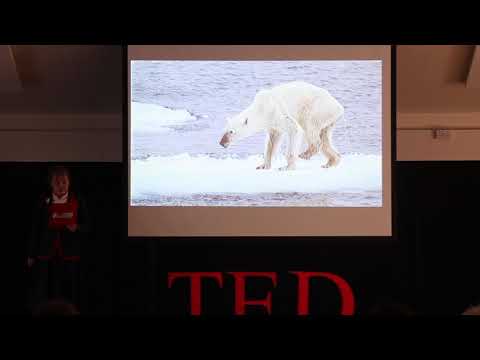
You know, growing up I always thought polar bears were like the cool, fluffy giants of the Arctic. I mean, I even had a stuffed one named “Chilly.” But then I learned something super unsettling. These magnificent creatures are facing some serious challenges, all thanks to global warming.
Picture this: icebergs melting faster than ice cubes in a summer drink. It’s honestly wild! As temperatures climb, polar bears are finding it tougher and tougher to do their thing—like hunting and chilling on their ice lounges (which is basically what they do).
So, let’s chat about what global warming really means for our furry friends up north. Spoiler alert: it’s not good news. But understanding the science behind it can help us figure out how to make things better for them and for us too!
Impact of Global Warming on Polar Bear Populations: A Scientific Analysis
Global warming is changing our planet, and it’s hitting polar bears right in the gut. These majestic creatures rely on sea ice to hunt seals, their main food source. As temperatures rise, the ice melts earlier in the spring and freezes later in the fall. This means less time for polar bears to hunt and fatten up for the harsh winter.
Less Ice Equals Less Food
When there’s not enough sea ice, bears have to swim longer distances to find food. Can you imagine swimming for miles just to find your dinner? It’s exhausting! A study showed that polar bears are losing weight because they can’t get enough fat-rich seals.
Decreased Reproductive Success
And it’s not just about eating; it affects their babies too. Polar bear mothers need a solid fat reserve to support their young during pregnancy and nursing. With less food available, they might not produce as many cubs or might abandon them altogether. It’s like trying to run a marathon with no training—super tough!
Increased Competition
With less ice, more bears are cramming into smaller areas, which leads to competition for food. Imagine going to a buffet where everyone is fighting over the same plate of food—it doesn’t end well! Weak or younger bears often lose out.
Habitat Loss
The melting ice isn’t just about hunting; it’s also about home. Polar bears are losing their habitats as more land turns into open water or gets covered with algae due to warmer temperatures. This change makes it even tougher for them as they try to find safe places to raise their young.
The Bigger Picture
So here’s the kicker: these changes aren’t happening in isolation. They affect entire ecosystems! When polar bears struggle, it impacts other species too—seals become overpopulated since there are fewer predators.
Human Impact
Lastly, let’s not forget humans. We’re contributing through climate change caused by greenhouse gas emissions from cars and factories! It’s like we’re poking a sleeping bear (figuratively speaking) and then wondering why it’s cranky!
In short, global warming is pushing polar bear populations towards serious risk through
. If we don’t start taking action now, these iconic animals could disappear from our world forever—and that would be a tragedy for nature and for all of us who cherish this beautiful planet we call home.
Climate Change: The Primary Threat to Polar Bear Survival and Ecosystem Health
So, let’s talk about climate change and how it’s seriously impacting polar bears. These magnificent creatures are like the poster animals for the Arctic, but they’re facing some big challenges thanks to global warming.
First off, what’s happening? Well, as the planet warms up, the Arctic ice is melting at an alarming rate. Ice is crucial for polar bears because they rely on it for hunting seals, their favorite food. Less ice means less hunting ground; it’s like taking away a buffet from someone who loves to eat!
You might ask, “Why should we care about polar bears?” Beyond being adorable and fascinating creatures, their plight is a signal of how our planet is changing. If polar bears are struggling to survive, it suggests that ecosystems are also under threat. If one part of the ecosystem falls apart, other parts can follow.
- Habitat Loss: With the rising temperatures, ice levels have been dropping every year. It’s expected that in some places, summer sea ice could completely vanish in just a few decades!
- Food Scarcity: More open water translates to fewer seals. Polar bears have to swim longer distances to find food—which can be exhausting and sometimes deadly.
- Mating Challenges: When bears can’t find enough food or if their habitat is disrupted, it affects their ability to mate and raise cubs properly.
This reminds me of a story I read about one bear named “Snowball.” She was spotted struggling near her traditional hunting grounds because of thinning ice. Local researchers shared emotional accounts of watching her swim for hours without finding food—it really hammers home the reality these animals face out there.
The science doesn’t lie. Research shows that since 1979, Arctic sea ice extent has decreased by about 60 percent during summer months! This isn’t just a number; it means drastic shifts in where these bears can hunt and live.
An interesting point here is that climate change isn’t just affecting polar bears directly. As they struggle with survival, entire ecosystems feel the effects. For example, more melting ice means more freshwater entering oceans which disrupts marine life—think fish and other species that rely on stable conditions.
We’ve got reporting from scientists who track these changes closely. They say that without immediate action against climate change—like reducing greenhouse gas emissions—we could see serious declines in polar bear populations by mid-century!
This whole situation creates a ripple effect: fewer bears lead to fewer tourists visiting Arctic regions for bear watching; local cultures that depend on wildlife may also be impacted. It’s all intertwined when you think about it!
Bears need our help right now more than ever! Understanding this isn’t just about saving one species; it’s about protecting a whole ecosystem that’s hanging by a thread due to human activities.
The journey ahead isn’t easy but every action counts—whether big or small—so let’s keep learning and doing what we can!
Assessing Polar Bear Adaptation Strategies in a Warming Arctic: Challenges and Insights from Recent Research
Polar bears are incredible creatures, right? They roam the icy landscapes of the Arctic, living on sea ice and hunting seals. But with global warming cranking up the temperature, their homes are melting away. Understanding how these majestic mammals adapt to their changing environment is crucial.
First off, let’s talk about the **sea ice** situation. Polar bears rely on it for hunting. As the Arctic warms, sea ice forms later in the year and melts earlier. This means polar bears have less time to hunt for food. Some researchers are looking into how bears might be changing their hunting strategies in response. They’ve noticed that some bears are traveling longer distances to find solid ice or even altering their diets.
But it’s not just about getting lunch; it’s also about survival during lean times. When there’s no ice, polar bears can go through periods of fasting. That can lead to weight loss—bad news for their health and ability to reproduce. Researchers have recorded weight changes in some populations; it’s pretty alarming when you think about it! These adaptations can impact their overall population dynamics.
Another adaptation is their behavior during mating season. Polar bears usually mate in the spring when they’re still on sea ice. Some studies indicate that as sea ice conditions shift, females might start looking for mates earlier or even change where they go to find them! Isn’t it wild how flexible nature can be?
- The loss of habitat forces polar bears to spend more time on land—a place that doesn’t offer much food security.
- This land-based lifestyle might push them into contact with other animals like grizzly bears, which could lead to competition for resources.
- Some researchers think we might see hybridization between species if this trend continues—like “pizzly” bears, which are a mix of polar and grizzly bears!
Now let’s sprinkle in a little emotion here: imagine being a bear watching your home melt away piece by piece. It’s heartbreaking! Just last year, some scientists observed a mother bear struggling with her cubs because she couldn’t find enough food due to a shrinking hunting ground. Those kinds of stories remind us that these aren’t just data points; they’re lives at stake.
You’d think all this stress would keep polar bear populations from bouncing back, but there is some hope! Researchers note that many females show resilience by adapting how and when they reproduce based on environmental cues. It feels like nature’s way of fighting back against climate change, doesn’t it? But here’s the catch: these adaptations have limits; ongoing changes might outpace their ability to adjust.
The takeaway? Polar bear adaptation strategies are fascinating but precarious—as climate change continues its relentless march across the globe, every tiny adjustment matters more than ever before. We need to pay attention!
Polar bears are honestly one of those animals that just grab your heart, right? I mean, they’re like the furry giants of the Arctic, gliding gracefully across the ice. But here’s the kicker: they are in big trouble because of global warming. It’s tough to think about. And you know what? This isn’t just some distant problem; it affects all of us.
So, let’s break it down simply. Polar bears rely on sea ice to hunt seals. That’s their main food source. When the planet warms up, that ice melts away faster than a snow cone in July. As a result, these magnificent creatures can find themselves swimming longer distances or struggling to find food. Imagine being super hungry and not having anywhere to go—that feeling must be pretty hard for them.
I remember visiting an aquarium once and seeing a polar bear swimming around, playing with a big ball. It was such a joyful sight! But then I learned about how their habitat is vanishing, and it hit me hard. Like, these bears aren’t just cool animals we see in pictures; they’re real beings facing real challenges every day.
The science behind this is pretty alarming but essential to grasp. Scientists have been tracking temperatures and measuring sea ice levels for years now. What they’ve found is not great news: we’re seeing more frequent heatwaves and warmer winters. That disruption sends ripples through the entire ecosystem—predators like polar bears get affected while other species struggle too.
And here’s something interesting: it’s not just about temperature changes but also how those changes influence weather patterns globally! It sounds complex, but basically, everything is interconnected in nature; what happens in one part can have surprising effects elsewhere.
Sometimes I feel powerless reading all this science—I mean, what can I do? But then I remember that small actions matter too! Supporting renewable energy or even having conversations about climate change could spark someone else’s interest or inspire them to act.
So yeah, while polar bears might seem distant from our everyday lives, their plight reflects something bigger—a call for us to pay attention and make changes before it’s too late. They deserve a future where they can roam freely on solid ice under wide-open skies just like they’ve done for ages! Isn’t that worth fighting for?