So, let me tell you a little story. When I was in high school, my chemistry teacher had this weird thing about bonding. Like, he made it sound like some epic romance movie. “Electrons are like lovers,” he’d say with a twinkle in his eye. And we’re all sitting there, trying not to laugh while wondering what on earth he was talking about.
Anyway, that’s how I got curious about polar covalent bonds. They’re kind of like the quirky relationships in your life—some partners are all about sharing their snacks, and others just take what they want. You follow me?
Polar covalent bonds happen when atoms decide to share electrons but do it kinda unevenly. It’s chemistry’s way of saying, “Hey, let’s share, but I’m definitely taking the bigger piece of the pie.” So if you’re into quirky relationships or just want to know why water is so awesome (thanks to these bonds!), stick around!
Exploring Polar Covalent Bonds: 5 Key Examples in Chemistry
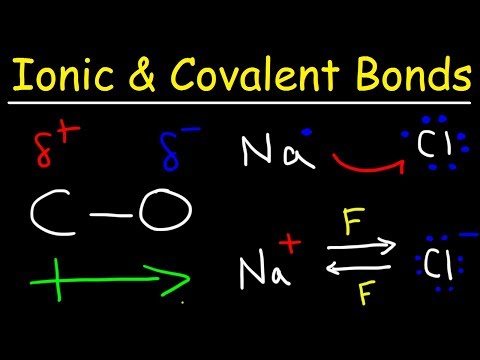
Polar covalent bonds are pretty neat because they involve sharing electrons between two atoms but with a twist. In these bonds, the atoms have different electronegativities, which means one atom pulls on the shared electrons harder than the other. That creates a slight electric charge, and this uneven sharing is what makes them “polar.”
Think of it like tug-of-war. Imagine one side is stronger and pulls the rope (or electrons) closer to them. This uneven distribution of charge leads to moments when one end of the molecule has a bit more positive or negative charge, making it polar.
So, let’s check out some classic examples of polar covalent bonds:
- Water (H2O): Water is perhaps the most famous polar molecule! Oxygen is more electronegative than hydrogen, so it pulls those electrons closer to itself. This gives water its excellent solvent properties and makes life as we know it possible.
- Hydrochloric Acid (HCl): When hydrogen and chlorine come together, chlorine really hogs those shared electrons due to its higher electronegativity. This creates a strongly polar bond, making HCl an acid in solution.
- Ammonia (NH3): In ammonia, nitrogen pulls more strongly on the shared electrons compared to hydrogen. Because of this polarity, NH3 can form hydrogen bonds with water molecules, leading to interesting properties like its ability to dissolve well in water.
- Sulfur Dioxide (SO2): Here we have sulfur and oxygen teaming up. The oxygen atoms pull on the shared electrons much harder than sulfur does, leading to polarity that affects how SO2 behaves in the atmosphere.
- Ethanol (C2H5OH): Ethanol is another interesting example. With an –OH group that shows polarity thanks to oxygen’s stronger pull on those electrons compared to carbon or hydrogen. That’s why ethanol mixes well with water!
Polar covalent bonds are super significant in chemistry! They help create molecules that have unique properties essential for life—like water being liquid at room temperature or how proteins fold into shapes that allow them to do their jobs.
You know, thinking back to my high school chemistry class: I remember struggling with these concepts at first but then getting excited when we started discussing how water behaves differently than oil because of these polar interactions. It was like unlocking a whole new way of looking at everyday substances!
So next time you sip on your favorite drink or mix ingredients while cooking, remember that those simple actions might hinge on these fascinating little polar covalent bonds!
Understanding Polar Covalent Bonds: The Distribution of Shared Electrons in Atoms
So, you’re curious about polar covalent bonds? Cool! Let’s break this down in a way that actually makes sense, shall we?
Basically, a polar covalent bond is a type of bond that happens between two atoms when they share electrons unequally. This means one atom pulls on the shared electrons more than the other. Imagine if two friends are sharing a pizza, but one friend really loves pepperoni and keeps grabbing more slices than the other. That’s kind of like what these atoms do with their electrons!
Now, to understand this better, you gotta know about electronegativity. This is a fancy word that describes how strongly an atom can attract those shared electrons. Some atoms are just really good at hogging the electrons because they’re super electronegative. For example, oxygen and nitrogen are great at this!
Let’s break it down further:
- Covalent Bonds: These form when two atoms share electrons to fill their outer shells. Think of it like sharing toys; everyone gets to play!
- Polar vs. Nonpolar: In nonpolar covalent bonds, the sharing is equal—like besties splitting a pizza evenly. In contrast, polar covalent bonds have one friend taking more slices!
- Dipole Moment: Because of the unequal sharing in polar covalent bonds, there’s something called a dipole moment. It’s like having a little positive side and a little negative side on the molecule.
Now let’s talk examples! Water (H2O) is probably the most famous example of a polar molecule out there. The oxygen atom is much better at grabbing those shared electrons compared to hydrogen atoms. So what do you get? A water molecule with more negative charge near oxygen and more positive charge near hydrogen! This makes water super special—it can dissolve lots of substances and even form hydrogen bonds.
Oh! And here’s something interesting: because these molecules have different charges on each side due to their polarity, they interact differently with other molecules than nonpolar ones do—like oil and water not mixing well together.
So yeah, understanding polar covalent bonds helps explain so much about how molecules behave in different environments—from your favorite drink to all sorts of biochemical processes happening inside your body.
It gets even deeper when you realize that these interactions can lead to important phenomena like surface tension in water or how proteins fold up in our cells.
In summary, knowing about polar covalent bonds means understanding how atoms interact through shared electrons—and why some substances behave uniquely compared to others. It really opens up a world filled with chemical wonders!
Understanding Polar Covalent Bonds: The Chemistry Behind Shared Electrons
So, let’s chat about polar covalent bonds. Imagine you’re at a party, and there are two types of people—the super friendly type and the more reserved type. These personalities kinda reflect how atoms behave in a bond. When two different atoms come together to form a bond, they can share electrons, but not always equally. That’s where this whole “polar” thing comes into play.
In a polar covalent bond, one atom hogs the electrons a bit more than the other. It’s like when that one person at the party keeps talking and doesn’t let anyone else get a word in edgewise—you get me? This happens because different atoms have varying abilities to attract electrons, something called electronegativity.
- Electronegativity Explained: Electronegativity is basically how much an atom wants electrons when forming a bond. Think of it like asking for dessert after dinner—some people just want it more!
- The Players: Take hydrogen (H) and oxygen (O), for example. Oxygen is super electronegative compared to hydrogen, so when they form water (H₂O), oxygen pulls those shared electrons closer to itself.
- The Result: Because of this unequal sharing, you end up with a molecule that has a slightly negative side (where the oxygen is) and a slightly positive side (where the hydrogen is). Kind of like how magnets have north and south poles.
This uneven distribution creates what we call diploles. Just picture those little charges sticking out: oxygen gets all cozy with those extra electron clouds while hydrogens feel just a bit left out. It’s this subtle tug-of-war that gives water its unique properties—like why it can dissolve so many substances or why spilt water beads up on surfaces.
Now, think about your favorite drink on a hot day—it might be iced tea or maybe lemonade, right? Well, that drink is mostly water! The polar nature of water molecules allows them to interact with other polar substances effectively. You could say water is like the ultimate party host—making sure everyone feels included by dissolving things easily. This helps in everyday life; our bodies rely heavily on these interactions for everything from digestion to temperature regulation.
But not all bonds are made equal! If two atoms have similar electronegativities and share their electrons equally, they form what we call nonpolar covalent bonds. Think of it like two friends sharing dessert—no fights there!
The beauty of polar covalent bonds lies in their ability to create diverse chemical compounds that are absolutely vital for life. Without them, well… we wouldn’t have H₂O or proteins or DNA—the very stuff that makes up living organisms.
Understanding these bonds helps us grasp the chemistry behind everything around us—from how simple things mix together to how complex machinery works inside our cells! So next time you sip on that drink or go for a swim in some water, remember there’s some serious chemistry making all that possible!
So, polar covalent bonds, huh? They’re like the complicated relationships of the chemistry world! You’ve got two atoms hanging out, trying to figure out how to share their electrons. It’s a bit like when you and your best friend decide who gets the last slice of pizza. The thing is, sometimes one atom is a bit more selfish and pulls those electrons in closer to itself.
Let’s say you have oxygen and hydrogen. Oxygen’s kind of a big deal; it has a stronger pull on those shared electrons because it has more protons in its nucleus than hydrogen does. So when they bond, the shared electrons spend way more time hanging around with oxygen than with hydrogen. This uneven sharing creates a little bit of a tug-of-war situation, leading to regions in the molecule that are slightly positive and slightly negative. It’s called polarity!
I remember sitting in my chemistry class, totally lost while trying to grasp this concept. It felt like I was reading an ancient text or something! Then my teacher drew this super simple diagram on the board—a “water” molecule—showing how it all worked. Suddenly everything clicked! It’s amazing how just one little drawing can light up your understanding.
And here’s where it gets interesting: this polarity affects how molecules interact with each other. Water molecules stick together really well because they’re polar. It’s why you see water droplets forming on surfaces instead of just spreading out flat like oil would! That property influences so many things around us, from the weather to how living organisms function.
So yeah, polar covalent bonds might sound all technical and stuff at first glance, but they show us how atoms interact at a fundamental level—and that’s pretty beautiful if you think about it! It’s like nature’s way of balancing things out—one side pulling stronger than the other while still coming together to form something essential for life itself.