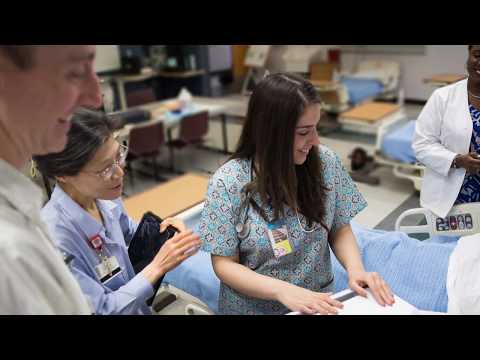
Imagine this: You walk into a hospital room, and instead of the usual buzz of doctors and nurses scrambling around, there’s a robot calmly taking notes while a nurse chats with you about your favorite ice cream flavor. Sounds like something out of a sci-fi movie, doesn’t it? But that’s the future we’re racing towards with informatics in nursing!
You know how we all love our smartphones, right? Well, just like those nifty gadgets have changed how we connect, informatics is shaking things up in healthcare too. It’s about using tech to improve patient care. And honestly, who doesn’t want better care when they’re feeling under the weather?
Think of it this way: nurses are already superheroes in scrubs. Throw in some cool tech tools, and they become unstoppable! It’s all about making their job easier so they can focus on what really matters—helping you feel better. So let’s chat about how integrating informatics can make waves in patient care and give nurses superpowers they didn’t even know they had!
The Crucial Role of Nursing Informatics in Advancing the Nursing Profession and Healthcare Science
Nursing informatics is like the bridge between technology and patient care. It combines nursing science, computer science, and information science to improve healthcare. You might wonder, how does this even matter? Well, let’s break it down.
First off, nursing informatics enhances communication. Think about a busy hospital with doctors, nurses, and specialists all trying to share information. If they can’t get on the same page quickly, things can go south real fast. Informatics tools help in streamlining communication across different departments. Instead of waiting for handwritten notes that can get lost or misinterpreted, everyone has access to real-time data. It’s like having a Google Maps for patient information!
Another crucial role of nursing informatics is in data management and analysis. Nurses collect tons of data every day—from vital signs to medication doses. When that data is captured electronically, it becomes super easy to analyze trends over time. For instance, if a patient’s temperature fluctuates wildly over several days, nurses can spot patterns and address potential issues sooner than if they relied on paper charts.
Now let’s talk about decision support systems. These are like smart assistants for nurses. Imagine being able to access evidence-based guidelines right at your fingertips while caring for a patient. This kind of system helps in making informed decisions quickly. For example, if you’re unsure about dosing for a medication based on a patient’s condition or weight, the system can provide you with instant recommendations based on the latest research.
But it doesn’t stop there! Nursing informatics also plays a big role in patient education and engagement. Patients today want more involvement in their treatment plans. With mobile apps and online portals powered by informatics systems, patients can track their health metrics at home and engage with their providers more effectively.
It’s pretty cool how this technology empowers patients too! Let’s say someone with diabetes uses an app that syncs with their glucose monitor; they’ll get real-time feedback about how their diet affects their blood sugar levels—making them active participants in managing their health.
Moreover, quality improvement initiatives benefit significantly from nursing informatics as well. The ability to collect data allows healthcare organizations to evaluate practices and identify areas needing improvement easily. For instance, if certain procedures lead to better outcomes or fewer readmissions than others are tracked through electronic health records (EHRs), those insights help shape better practices overall.
Another point worth mentioning is enhanced training opportunities for nurses themselves through simulations and educational software designed using informatics principles. Scenario-based training modules simulate real-life situations where nurses must respond quickly yet effectively without putting patients at risk—basically getting hands-on experience without actual consequences!
Overall? Nursing informatics isn’t just some fancy tech stuff; it genuinely transforms how care is delivered and expands the capabilities of nurses daily! With better communication tools, insightful data management systems, decision-making aids sound approaches towards quality improvements—it all blends together beautifully into enhancing patient care.
So next time you hear someone mention nursing informatics think about how integral it truly is—not just for nurses but really for everyone involved in healthcare!
Enhancing Clinical Practice Through Nursing Informatics: Innovations and Applications in Healthcare
Sure! Let’s talk about nursing informatics and how it’s totally shaking things up in healthcare. You might be surprised at just how much technology is helping nurses do their jobs more efficiently and, ultimately, improve patient care.
Nursing informatics is basically the intersection of nursing, computer science, and information management. It involves using technology to gather, analyze, and manage patient data. This isn’t just about keeping records up to date; it’s about transforming the way nurses interact with patients and each other.
Imagine this: A nurse walks into a patient’s room with a tablet instead of a clipboard. On that tablet, they have instant access to the patient’s entire medical history—past surgeries, allergies, current medications—all right there. This kind of real-time data access helps nurses make better decisions quickly. Instead of flipping through pages of notes or waiting for reports, they can focus on what really matters: the patient.
You know what else is cool? Electronic health records (EHRs). These systems allow for seamless communication among various healthcare providers. If a nurse in one department updates something vital in the EHR—like a change in medication—it automatically informs everyone involved in that patient’s care. No more miscommunication or waiting around for updates!
Another fascinating aspect is how data analytics plays into this. By analyzing patterns in patient data, nurses can identify trends that help improve care strategies. For instance, if certain symptoms frequently precede complications in patients with specific conditions, those patterns can lead to proactive interventions. It’s like having a crystal ball for better outcomes!
But it’s not all about the gadgets and software; there’s also telehealth. With telehealth services on the rise, nurses can monitor patients remotely using digital health tools—think wearable devices or mobile apps collecting vital signs. This not only makes follow-ups easier but also empowers patients to take charge of their own health from home.
Of course, we can’t forget about training and education here! Nurses need to be equipped with skills in informatics so they can fully utilize these innovations. That means ongoing training programs focused on tech literacy are essential to keep nursing practices fresh and effective.
In short, enhancing clinical practice through nursing informatics isn’t just about flashy new tech—it’s about making care more efficient and improving outcomes for patients everywhere. And who wouldn’t want that?
Enhancing Patient Care Quality: The Role of Nursing Informatics in Modern Healthcare
So, let’s talk about nursing informatics. It’s kind of a big deal in modern healthcare. Basically, it’s all about using information technology to improve patient care. That means nurses aren’t just doing bedside care anymore—they’re also data wizards, helping to manage and analyze information.
Nursing informatics merges nursing with information science and computer technology. This combination enhances how nurses deliver care. Picture this: a nurse uses an electronic health record (EHR) system to access a patient’s history quickly instead of rifling through paper files. That saves time and reduces errors, right?
Now, let’s break down some key roles that nursing informatics plays in improving patient care quality:
- Data Management: Nurses collect tons of data daily—from vital signs to medication histories. Informatics tools help organize this data into something we can actually use to make decisions.
- Improved Communication: With tools like secure messaging and EHRs, communication between healthcare providers becomes seamless. Doctors and nurses can share updates instantly, which is crucial for patient safety.
- Patient Engagement: Nursing informatics also promotes tools that engage patients directly. Think about mobile apps that allow patients to track their symptoms or communicate with their care teams.
- Education and Training: Informatics helps with tailored training for nurses on new technologies or protocols and ensures everyone is up-to-date on best practices.
- Quality Improvement: By analyzing data trends, nurses can identify areas where care needs improvement—like frequent medication errors—and work on solutions.
A good example of this is the implementation of clinical decision support systems (CDSS). These tools alert nurses about potential issues like drug interactions or allergies based on a patient’s records; it’s like having a safety net while providing care!
You might be thinking: “Okay, but does this really make a difference?” Well, studies show that hospitals leveraging nursing informatics often see better outcomes—like reduced hospital readmission rates. Patients feel more involved in their own care, too!
The emotional side? Imagine being in a hospital bed feeling scared or overwhelmed. When you know your nurse has all the right info at their fingertips because they’re using informatics effectively—it brings peace of mind not only to patients but also their families.
Nursing informatics, at its core, puts **patient needs first** while equipping nurses with the tools they need to thrive in today’s fast-paced healthcare environment. It’s not just tech for tech’s sake; every bit of information helps enhance the quality of care you receive as a patient.
So next time you see a nurse typing away at a computer or discussing something on an app with you—know they’re doing more than just fluffing pillows; they’re actively working towards providing you with the best possible care!
So, let’s chat about something that’s been on my mind lately: the mix of nursing and informatics. You might be wondering why these two worlds need to come together, right? Well, picture this: you’re in a hospital, and a nurse is juggling patient charts, medication schedules, and sometimes even family concerns—all while making sure their patients are as comfortable as possible. That’s no small feat! Now, add some technology into the mix, and things can get pretty interesting.
I remember visiting a friend in the hospital once. She was recovering from surgery but really struggling with pain management. The nurse came in with this tablet—like a modern wizard—able to pull up my friend’s entire health history in seconds. It was like watching someone conduct an orchestra; everything just clicked into place! This nurse could check allergies, see past medications, and communicate all that info to the doctor without missing a beat. It’s incredible how technology can streamline care.
Now, integrating informatics means more than just having fancy gadgets at hand. It’s about using data to make better decisions for patients. Think of it like being able to see the whole picture instead of just pieces of it. Nurses can analyze trends in patient health information to anticipate potential issues before they even arise—kind of like being able to predict rain because you noticed dark clouds rolling in.
But don’t get me wrong; it’s not all sunshine and rainbows. There are challenges too—the learning curve for some nurses can be steep when adjusting to new software or systems. And sometimes there’s a concern that too much reliance on technology could take away from the personal touch that makes nursing so special—you know? That genuine connection between nurse and patient can’t be replaced by any app.
Still, I believe that striking a balance is key here. When informatics is woven into nursing seamlessly, it enhances patient care while allowing nurses more time to connect with their patients on a human level instead of getting bogged down by paperwork or repetitive tasks.
In the end, it feels like we’re heading toward an exciting future where technology empowers nurses rather than overwhelms them. Picture hospitals where every nurse has easy access to relevant data right at their fingertips—that’s enhanced patient care if you ask me! Sure, change can be tough sometimes but when you see how it benefits patients directly? Well, that’s worth every bit of effort involved!