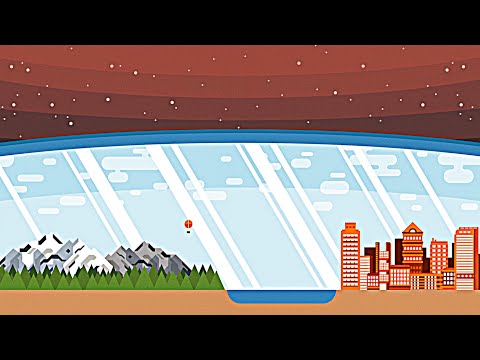
Alright, so here’s a fun thought: think of Earth like a cozy blanket. You know how that feels? Warm and snug, but sometimes it can get a little too toasty, right?
Well, that’s kinda what’s happening with our planet. The greenhouse effect—it sounds all scientific and stuff—actually keeps us warm but also has this sneaky side effect that’s not so great.
You’ve probably heard about global warming. It’s like the planet decided to crank up the heat a bit too much!
We’re gonna break it down in a way that makes sense, like chatting over coffee with a friend. So grab your mug because this is going to be interesting!
Exploring the Five Key Causes of the Greenhouse Effect: Insights from Climate Science
The greenhouse effect is one of those topics that can feel overwhelming at first. But if you break it down, it’s pretty straightforward. So, let’s chat about the **five key causes** of this phenomenon and unravel its impact on our planet.
1. Greenhouse Gases: This is the star of the show! These gases include carbon dioxide (CO2), methane (CH4), nitrous oxide (N2O), and water vapor. They trap heat in the atmosphere like a cozy blanket, keeping Earth warm enough to sustain life. You know that feeling when you step into a car on a sunny day? That’s what greenhouse gases do—they hold onto heat!
2. Human Activities: A lot of the greenhouse gases we see today are thanks to our daily lives. Burning fossil fuels—like coal, oil, and natural gas—for energy releases a huge amount of CO2. Think about all those cars on the road or factories chugging along; they’re pumping out emissions like there’s no tomorrow! Plus, deforestation contributes by reducing trees that absorb some of this CO2.
3. Agriculture: This one’s interesting! Agricultural practices put out significant amounts of methane and nitrous oxide—much more than CO2 actually. Methane comes from livestock digestion (like cows burping) and manure management, while nitrous oxide is released from fertilizers used in crop production. So every time you see a burger joint or farmland, think about their hidden impact.
4. Land Use Changes: When forests are cut down or land is altered for urban development, it disrupts the natural balance of carbon storage in trees and soils. Essentially, forests are like nature’s air filters—they take in CO2 and help cool things down. Losing them means less carbon absorption and more heat trapped in our atmosphere.
5. Industrial Processes: Manufacturing goods often leads to emissions too! Certain industrial processes release gases beyond just CO2—like hydrofluorocarbons (HFCs), which are super potent in trapping heat although present in smaller amounts compared to CO2. Just think about all those products we use daily that come from factories—every little bit adds up!
The effects of these causes can be seen everywhere now: melting ice caps, rising sea levels, extreme weather… It can feel daunting sometimes when you see the news reports about climate change but understanding these factors helps us make sense of what’s happening around us.
So yeah, tackling global warming means we need to pay attention to these five causes—the more we know about them, the better equipped we are to make changes for a healthier planet! It’s all connected like one big web; take one thread away and it starts to unravel… Let’s keep learning together!
Understanding the Greenhouse Effect and Global Warming: Comprehensive PDF Guide for Scientific Inquiry
The greenhouse effect is a natural phenomenon that keeps our planet warm enough to support life as we know it. So, how does it work? Well, think of the Earth like a giant greenhouse where sunlight enters, warms the planet, and some of that heat gets trapped. It’s like wrapping yourself in a cozy blanket on a chilly day. If the blanket is too thick, though, you might overheat. That’s kind of what’s happening with our planet.
Here’s the deal: sunlight hits the Earth’s surface and then reflects back out into space as infrared radiation. But certain gases in our atmosphere, known as greenhouse gases, trap some of this heat. These gases include carbon dioxide (CO2), methane (CH4), and nitrous oxide (N2O). Sounds simple enough, right? But here comes the twist!
- Increased CO2 Levels: Human activities—like burning fossil fuels for energy and deforestation—have massively increased CO2 levels. Think about all those cars on the road or factories puffing out smoke.
- Methane Emissions: Methane is way more effective at trapping heat than CO2! It mainly comes from agriculture (like cows belching) and waste management.
- Feedback Loops: As temperatures rise, ice melts which reduces Earth’s reflectivity (or albedo). This means more heat gets absorbed instead of reflected back into space.
This crazy interplay between greenhouse gases and temperature increases is what leads us to global warming—a long-term rise in Earth’s average temperature. Some folks might shrug their shoulders and say, “What’s the big deal?” But let me tell you, it *is* a big deal!
You know how hot summers are becoming? That’s not just because it’s summertime; it’s also because climate change is ramping up the intensity of these seasons! Imagine spending a day at the beach getting sunburned—and then realizing tomorrow’s forecast calls for even hotter weather! You’d probably have second thoughts about going outside.
The consequences don’t stop there either. Global warming disrupts weather patterns leading to more extreme events like hurricanes or droughts; ecosystems suffer while species struggle to adapt or perish; sea levels rise threatening coastal communities… And honestly? That list just goes on and on!
- Impact on Wildlife: Animals migrating to cooler areas? Totally happening! Some species are even faced with extinction threats due to habitat loss.
- Your Health: Increased air pollution from wildfires or allergens can affect respiratory health.
- Agricultural Shifts: Farmer’s crops could be at risk if they can’t keep up with changing climates—which could lead to food shortages!
The science behind this whole situation isn’t new—it dates back over 150 years when scientists first discovered how these gases worked. Fast forward to now: scientists around the globe are diligently researching ways to manage emissions and find solutions. Bottom line: understanding the greenhouse effect isn’t just some nerdy pursuit; it’s crucial if we want future generations to enjoy our beautiful planet.
You might even feel pumped about joining efforts toward sustainability—reducing waste, conserving energy, or just being mindful of your carbon footprint can really make a difference! And hey, every small action counts—it’s like little drops of water filling up an ocean over time. So don’t underestimate your impact!
Understanding the Distinction: Greenhouse Effect vs. Global Warming in Environmental Science
The terms **greenhouse effect** and **global warming** often get thrown around together, but they actually refer to two different concepts in environmental science. Let’s break them down in a simple way.
First off, the **greenhouse effect** is a natural process that keeps our planet warm enough to support life. Imagine Earth as a cozy blanket wrapped around by gases. These gases, like carbon dioxide and methane, trap heat from the sun. So, when sunlight hits the Earth’s surface, it gets converted into heat. This heat then tries to escape back into space, but these greenhouse gases catch some of it and send it back down. It’s like living in a house that stays warm even after you turn off the heater at night because of all those comfy blankets, right?
But here’s where things get a little tricky. The **global warming** part comes into play when we think about what happens when more greenhouse gases are added to the atmosphere than usual. So there’s this crazy increase in carbon emissions due to human activities—things like burning fossil fuels for energy or chopping down forests (yeah, seriously!). When this happens, it adds an extra layer of those “blankets” around Earth. As you might have guessed, more blankets mean more heat trapped in our atmosphere.
Now let me quickly touch on why knowing the difference matters so much. When we talk about global warming, we’re really talking about how human actions are messing with that natural greenhouse effect. It leads to rising temperatures on Earth over time—like how some days feel hotter than others just because you’re wearing an extra sweater or two.
Here are some key points that clarify their distinctions:
- Greenhouse Effect: A natural process essential for life.
- Global Warming: An increase in Earth’s average temperature due to excess greenhouse gases.
- Cause: Greenhouse effect is naturally occurring; global warming results from human actions.
- Impact: Greenhouse effect is beneficial; global warming can lead to climate change and extreme weather.
To help you relate even better: think about that time your friend borrowed your favorite hoodie without asking and returned it with stains all over it! That’s kind of what we’re doing with our atmosphere—we’re messing up something that was just fine on its own.
So next time someone starts talking about these terms interchangeably, you’ll be able to jump right in with confidence! You know now that while one is part of nature’s grand design keeping us alive, the other is a wake-up call for all of us—and it’s pretty loud right now!
You know, whenever I think about the greenhouse effect and global warming, it hits me how interconnected everything is. Just a few years ago, I remember sitting outside on a summer evening, feeling a bit too warm for that time of year. My friend joked about how we were basically being sautéed by the sun. At first, we laughed it off, but then we started talking about climate change and how our everyday actions might be affecting the planet.
So basically, the greenhouse effect is like this natural blanket around Earth. Here’s the scoop: the sun sends energy our way. Some of it warms up the surface of our planet, and then it gets reflected back as heat. But here’s where things get interesting—the atmosphere traps some of that heat like a cozy quilt keeping you warm on a chilly night. This is essential for keeping our planet livable.
But with all the extra carbon dioxide and other greenhouse gases from burning fossil fuels and deforestation, it’s like adding more layers to that blanket—way too many! So naturally, more heat gets trapped than usual, which leads to higher temperatures globally over time. It’s kind of like being in a car parked in the sun; even if you crack open a window, it can still get way too hot inside.
Now, don’t get me wrong—this isn’t just about feeling uncomfortable during summer BBQs or worrying about your ice cream melting faster. Increasing temperatures can mess with weather patterns too! Think stronger storms or longer droughts; they all connect back to this crazy dance between greenhouse gases and our Earth’s temperature.
When we see weird weather events or hear stories about polar bears struggling on ice that’s melting away—yikes—it makes you realize just how real this problem is. It feels overwhelming at times like there’s nothing we can do to fix it? But that’s not true!
Every little action counts: turning off lights when you leave a room or maybe riding your bike instead of driving sometimes. It’s kind of cool if you think about it—small changes can lead to big impacts over time!
So yeah, next time you’re out enjoying nature or making those little choices every day, remember that we’re all part of this big puzzle called Earth. It’s not just science; it’s our home we’re looking after!