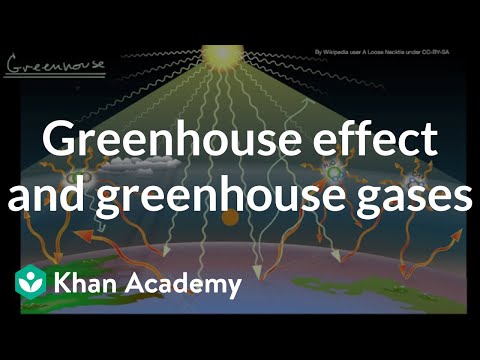
You know those times when you leave your car parked in the sun? You hop back in, and it feels like an oven! That’s kinda what happens to our planet.
So, let’s talk about the greenhouse effect. It sounds all fancy, but it’s basically nature’s way of keeping us cozy—like a big warm blanket around the Earth.
But hang on a second! Too much warmth isn’t great either. Imagine that cozy blanket getting way too heavy. Yikes!
The science behind it is pretty wild. We’re talking gases, sunlight, and some seriously cool chemistry. Buckle up; this is gonna be enlightening!
Understanding the Greenhouse Effect: A Comprehensive Guide to the Scientific Model
The greenhouse effect is one of those things that sounds like it belongs in a sci-fi movie, but it’s just how our planet works. So, here’s the deal: you’ve got the sun shining down on Earth, right? This sunlight comes in mostly as visible light and a bit of infrared radiation. When this light hits the surface of Earth, some of it gets absorbed—this is what warms up our planet.
Now, here’s where it gets interesting. The Earth isn’t just going to let all that heat escape back into space. Nope! It’s smarter than that. The ground and oceans release heat back into the atmosphere as infrared radiation. This is like a cozy blanket for our planet because certain gases in the atmosphere trap some of that escaping heat. These gases are what we call greenhouse gases, and they include carbon dioxide (CO2), methane (CH4), water vapor, and a few others.
So, you might be thinking, “What’s the big deal about those gases?” Well, think of them as tiny little insulators floating around us. They help keep our planet warm enough to support life—without them, Earth would be way too cold for us to survive! But here’s the twist: human activities, like burning fossil fuels and deforestation, have increased the concentration of these greenhouse gases. This means more heat gets trapped than usual.
Let’s break down how this process works:
- The Sun’s Energy: The sun emits energy towards Earth.
- Absorption: Some sunlight is absorbed by land and water.
- Heat Radiation: The surface releases heat back into space.
- Greenhouse Gases: Gases absorb some outgoing heat.
- Warming Effect: More greenhouse gases mean more heat trapped.
Imagine you’re wearing a thick jacket on a sunny day; at first, it feels good because it’s chilly outside. But after a while, you start feeling hot because that jacket is keeping all your body heat close to you. That’s similar to how greenhouse gases work!
Now let me share something real with you—back in high school science class, I remember my teacher showing us how plants help regulate CO2 levels through photosynthesis while stressing how important it is for us to keep forests intact. It really hit home when I learned about all those trees being cut down and how that impacts everything from local wildlife to global warming.
So why does this matter? Well, if we keep pumping out more greenhouse gases at this rate without taking action or finding alternatives (like cleaner energy), we might face serious problems—not just hotter summers but also crazy weather patterns like unexpected storms or droughts.
In short, understanding the greenhouse effect isn’t just for scientists—it affects each one of us every day! Keeping an eye on what we put into our atmosphere can make a real difference for future generations who deserve to enjoy a balanced world too.
Understanding the Greenhouse Effect: A Brief Overview in Environmental Science
The greenhouse effect is like a cozy blanket for our planet. Imagine Earth wrapped up, keeping warm, and that’s pretty much what’s happening. It’s a natural process that allows life to thrive here. So, how does this cozy thing work exactly?
Solar Energy is the first player in this game. The sun sends energy to Earth in the form of sunlight. Some of this sunlight gets reflected back into space by clouds and the surface, but most of it gets absorbed by the land and oceans, warming our planet.
Now here comes the twist! Earth doesn’t just sit there being warm and cozy all day long. It emits energy back into space as infrared radiation, which is basically heat energy. But before it can escape completely, it bumps into some gases in our atmosphere known as greenhouse gases. Think carbon dioxide (CO2), methane (CH4), and water vapor—these guys trap some of that outgoing heat.
Here’s where it gets interesting:
- Carbon Dioxide: This gas comes from various sources like burning fossil fuels or even just breathing!
- Methane: It’s emitted during the production and transport of coal, oil, and natural gas; also from livestock—yes, cows contribute!
- Water Vapor: This one is naturally occurring but can increase with warmer temperatures.
So when these greenhouse gases capture heat, they create a sort of “insulation” layer around Earth. You might think that sounds nice and toasty—but too much insulation isn’t always a good thing! This can lead to what we’re experiencing now: climate change.
As I was reading up on this topic recently, I remembered a trip I took with my family to the Arctic a few years ago. It was absolutely stunning! But then I learned about how quickly icebergs were melting due to rising temperatures. It gave me chills—like literally seeing climate change in action isn’t something you forget easily.
There are some important things you should know about the greenhouse effect:
- Natural vs Anthropogenic: The greenhouse effect exists naturally! Without it, Earth would be too cold for us to survive. But human activities are amplifying it.
- The Role of Feedback Loops: When ice melts due to rising temperatures; less sunlight gets reflected back into space because water absorbs more heat than ice does. That means even more warming.
- The Balance: It’s all about finding balance; we need enough greenhouse gases for life but not too many!
Understanding this process is super important if we want to get a handle on why climate change is such a big deal these days. The good news? There are ways we can help manage greenhouse gas levels through renewable energy sources or decreasing waste.
So next time you feel that warmth on your face from the sun or see melting ice on your favorite glacier documentary, remember—the greenhouse effect plays both sides of the coin: it keeps us warm but can also bring challenges if not kept in check!
Exploring the Benefits of the Greenhouse Effect in Climate Science
Alright, let’s get into it! The greenhouse effect is one of those topics that sounds complicated at first, but once you break it down, it totally clicks. So, the greenhouse effect is all about our atmosphere and how it keeps our planet warm. Sounds cozy, right?
The thing is, Earth receives energy from the sun as sunlight. Some of this energy hits the surface and warms it up. But here’s where it gets interesting: not all that heat just disappears back into space. Instead, some of it gets trapped by gases in the atmosphere. These gases are called greenhouse gases, and they include carbon dioxide (CO2), methane (CH4), and nitrous oxide (N2O).
So what’s good about this? Well, without the greenhouse effect, Earth would be a really cold place—like way too cold for most of us to handle! Scientists estimate that without these gases to trap heat, our average temperature would be around -18 degrees Celsius instead of a comfy 15 degrees Celsius. That’s like living in a freezer versus chilling on your couch.
Here’s how it works in detail:
- Sunlight enters: Solar radiation comes pouring down to us.
- Earth absorbs energy: The surface absorbs some of that heat and warms up.
- Heat radiates back: The Earth then radiates some heat back toward space.
- Gas trapping: Greenhouse gases capture some of this outgoing heat.
- Heating the atmosphere: This process keeps our atmosphere warmer than it would be otherwise.
Now don’t get me wrong; too much greenhouse gas can lead to problems like global warming. But a certain amount of these gases is essential for life as we know it!
It’s kind of emotional when you think about how delicate this balance is. I remember my first science class when we did experiments with miniature greenhouses—seeing how plants thrived under those conditions made me realize how crucial warmth was for life.
Also, let’s not forget about ecosystems! Many animals and plants depend on a stable climate for survival. If things get out of whack because we mess with greenhouse gas levels too much, well—it could affect biodiversity big time.
So yeah, while climate change is serious business—and we definitely need to address excessive emissions—the natural greenhouse effect itself plays an important role in keeping our planet habitable. Without it? Well, let’s just say we wouldn’t be having this chat over coffee or tea!
In summary, the greenhouse effect isn’t just some theoretical concept; it’s essential for life on Earth as we know it today! But balancing these effects with human activity will be key moving forward if we want to keep enjoying our warm planet.
Okay, let’s chat about the greenhouse effect. You’ve probably heard of it before, right? It’s like that warm blanket that Earth puts on to keep us cozy. So, here’s the deal: the greenhouse effect is super important for life as we know it. Without it, our planet would be a pretty chilly place—think ice age all year round!
Let me tell you a little story. A few summers ago, my friends and I went camping in the mountains. One night, we sat around the campfire, roasting marshmallows and gazing up at a sky full of stars. It was breathtaking! But then I remembered how hard it is for us to keep our food cool and fresh without proper insulation—like when you accidentally leave ice cream out too long and it turns into soup! Just like that ice cream needs some insulation to stay solid, Earth relies on certain gases in its atmosphere to maintain a balance.
Here’s how it works: solar energy from the sun warms up our planet during the day. Some of this heat escapes back into space, but greenhouse gases like carbon dioxide and methane trap some of that warmth, kind of like putting a lid on a pot of soup. This is all natural and has been happening for ages—so far so good!
But here’s where things get tricky. Human activities have been adding extra layers of those greenhouse gases into the atmosphere by burning fossil fuels or chopping down forests. Think about your favorite pair of cozy socks—the more layers you add, the warmer your feet get. Well, in our case, too many “socks” means things start heating up way too much!
This increase in temperature affects weather patterns and ecosystems around the world. Remember that time you experienced an unexpected storm or an unusually hot day? Yeah, climate change can kind of throw those surprises at us more often than we’d like.
So next time you’re sipping a hot cocoa while wrapped in your favorite blanket (or maybe even enjoying that melting ice cream), take a moment to think about how this whole greenhouse effect thing works behind the scenes to keep us comfortable—or not! We’re all part of this cosmic dance between nature and human influence; let’s make sure we’re giving Earth a little TLC instead of just cranking up the heat.