So, picture this: you’re at an airshow, right? The planes zooming by are like giant metal birds, performing crazy tricks in the sky. Then, there’s this super low-flying jet that just seems to float like it’s on a magic carpet. What’s the deal with that?
Turns out, it’s all about something called ground effect. I mean, seriously, it sounds like something out of a sci-fi movie! But it’s actually super cool and totally real. It happens when aircraft fly close to the ground and get this boost from the air pressure under their wings.
It’s not just a neat party trick for pilots; it plays a huge role in aviation science! So grab a snack and let’s chat about how ground effect works and why it’s crucial for flying at low altitudes. You’re gonna want to stick around for this one!
Understanding Aerodynamics: Its Significance in Aviation and Scientific Applications
Aerodynamics, my friend, is like the superhero of aviation. It’s all about how air moves around things, especially when they fly. Without it, well, flying would be a whole lot trickier! You see, air has this magical ability to create lift and drag—both are crucial for planes. When you think of flight, you probably picture a bird or an airplane soaring through the sky. But how does all this actually work?
Aerodynamics looks into the forces that act on an object as it moves through air. Imagine riding your bike fast against the wind; you feel that resistance pushing back on you. That’s drag! Now, if you’re going fast enough and the wind is right, your bike might actually lift off for a quick moment—just a little bit! That’s similar to how lift works in aviation.
Now let’s chat about something super interesting: ground effect. You might not think much about it until you notice that airplanes seem to float just above the ground right before landing—or when they get a little boost during takeoff from being close to the runway. So here’s what’s up: when an aircraft flies very close to the ground, this creates some cool aerodynamics stuff!
- Increased lift: The air pressure under the wings gets trapped as it can’t escape easily upwards because of the ground below. This leads to a higher lift than normal.
- Reduced drag: Because of that same trapped air phenomenon, it also reduces drag forces acting against the plane.
- Smoother Landings: Pilots love this as it makes their landings smoother and more controlled.
This ground effect isn’t just some random quirk; it’s scientifically significant! Take seaplanes or hovercrafts as examples—they thrive on this principle. When a seaplane is skimming over water during takeoff or landing, it’s harnessing that sweet ground effect to fly better.
You might also notice how military aircraft utilize these principles for stealthy approaches or swift exits from flight zones—essentially maximizing lift while minimizing drag in critical times.
The significance doesn’t stop at just aviation though; ground effect plays its role in sailboats, too! Have you ever seen one glide over water? Sailboats can experience similar buoyancy from water surface interaction—like how planes do with air!
This all ties back into why understanding aerodynamics is so vital not only for making planes safer but also for innovating new designs and technologies that go beyond our skies. From reducing fuel consumption to enhancing stability in various vehicles and even in architecture—it all connects!
The cool thing is learning about aerodynamics isn’t just for scientists or engineers—it touches everyone who loves exploring what makes flight possible. So next time you’re watching a plane take off or land, remember there’s a whole science behind that graceful motion happening right above your head!
Exploring the Role of Ground Effect in Aerodynamics and Its Impact on Flight Efficiency
So, let’s chat about ground effect and how it plays into the whole aerodynamics thing. You might have heard this term thrown around a lot in aviation circles, but what does it actually mean? Well, ground effect is that magical lift boost you get when an aircraft is flying close to the ground. It basically makes flying more efficient, and who wouldn’t want that?
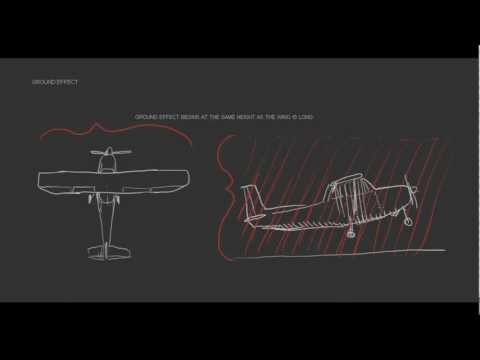
When an airplane takes off or lands, it gets super close to the runway—like very close. This proximity changes the air pressure under the wings. Here’s where ground effect comes in: as the aircraft approaches the ground, the air gets compressed under those wings. This creates extra lift! So, basically, when you’re within about a wingspan of the surface—boom—things get a little easier for pilots.
Why does this matter? Let me break it down for you:
- Less power needed: Thanks to that extra lift from ground effect, planes burn less fuel during takeoff and landing.
- Smoother landings: Pilots find it easier to control their descent due to that boost.
- Shorter takeoff rolls: Yup, a plane can get off the ground faster! That’s always a plus.
Now picture this: one summer day during my childhood, I was at an airport with my family. We sat there watching these planes take off and land like majestic metal birds. I could see how they seemed to just float above the runway right before touchdown. Little did I know it was all thanks to this cool little phenomenon called ground effect!
Okay, back to business. The effectiveness of ground effect varies based on several factors like wing shape and size or even how heavy the airplane is at that moment. Larger aircraft typically experience a stronger ground effect because they displace more air underneath them.
But hey, don’t think it’s all sunshine and roses! Ground effect isn’t without its quirks:
- Floating: Sometimes planes can float just above the runway longer than planned which might make pilots scramble a bit.
- Poor visibility: When real low to the ground, things can get tricky if there are obstacles nearby!
Over time engineers and designers have used this knowledge to make airplanes more efficient overall. They’re always looking for ways to maximize those benefits of flying close to surfaces without running into problems.
So there you have it! Ground effect isn’t just some fancy term; it has real implications for flight efficiency and safety in aviation. It’s an interesting dance between physics and design—one that keeps evolving as we push boundaries in flight technology!
Understanding Ground Effect: Key Concepts for the FAA Exam in Aerodynamics
So, let’s chat about ground effect. You might’ve heard of it if you’ve been poking around aviation stuff. It’s one of those cool things that happens when an aircraft flies really close to the ground. Imagine a bird gliding just above a smooth lake; it kind of uses the surface to help it stay up there, right? Well, that’s a bit like what ground effect does.
Ground effect can be defined as the increased lift and decreased drag an aircraft experiences when it’s within one wingspan distance from the ground. This happens because the airflow under the wings interacts with the ground. When you’re flying low, the air can’t get away quickly enough from under the wings, which ends up creating higher pressure and gives you more lift. Pretty neat, huh?
Now, let’s break down some key concepts:
- Lift: This is what keeps an airplane in the sky. When in ground effect, this lift increases since the pressure under the wing builds up.
- Drag: Think of drag as resistance—the force trying to slow something down. In ground effect, drag decreases because there’s less turbulent air making things messy.
- Airspeed: The speed at which an aircraft moves through air—it’s crucial during takeoff and landing when using ground effect.
- The most significant boost happens when you’re about one wingspan or less from the ground. Beyond that zone, you’ll lose some of that magical lift boost.
Here’s where things get even cooler: this is essential for landings and takeoffs! Think about a small plane coming in for a landing on a runway. As it gets close to touch down, it’ll feel that increase in lift from ground effect—which can make it feel like it’s floating for just a moment. But here’s something important: pilots need to be aware of this because sudden descends, like if they’re too reliant on that lift near landing time, can cause issues if they miscalculate their altitude or approach speed.
I remember watching my friend fly his first solo flight—he was nervous but excited. As he swooped in for landing, he said he felt like he was floating just above the runway thanks to that ground effect! It was such a cool sight; I could see how filled with wonder he was as he touched down gently!
The FAA has its eyes on all these mechanics because understanding ground effect is vital for pilot safety training and exam prep.
Each pilot needs to grasp how these aerodynamics work so they can adapt quickly during flight situations. Knowing how to leverage that lift while keeping an eye on their altitude is crucial for smooth landings.
So next time you catch sight of planes taking off or touching down at an airport nearby, remember there’s more than meets the eye happening just above that tarmac—like magic almost! Ground effect plays its part in making it all happen smoothly every day.
So, you know how when you’re driving a car really fast and it feels like you’re being sucked to the ground? That’s kinda what happens in aviation with something called ground effect aerodynamics. It’s one of those cool concepts that—while it sounds super technical—really just boils down to some neat physics that’s been hanging out under our noses.
When an aircraft gets close to the ground, the air pressure beneath the wings increases. Think of it like a cushion; it basically helps keep the plane up, making it feel lighter and allowing for a bit more maneuverability. Pilots definitely appreciate this when landing or taking off from short runways because it lets them use less power and fuel.
Now, I remember this one time I took my first little flight in a tiny plane—nothing fancy, just a small Cessna. As we were taking off, I could feel that little jolt when we lifted off. Our pilot explained that we were in ground effect for that initial stage of our climb. It’s fascinating how something so subtle can make such a big difference!
But here’s where things get interesting: while ground effect helps during takeoff and landing, it can also be a tricky beast. It’s all about balance! Too much lift right above the ground can lead to instability if not managed properly. It’s like riding a bike—if you lean too far one way or another at just the wrong moment, well… let’s just say things could go sideways pretty quickly.
In aviation science, understanding this phenomenon isn’t just an academic exercise; it’s crucial for designing planes and training pilots. The whole thing highlights how intricate flying really is. It’s not all just engines roaring and wings flapping—it’s about harnessing forces we can’t see but definitely feel.
So next time you’re barreling down a runway or even dreaming about flying high above the clouds, remember there’s some fascinating science going on beneath those wings! Ground effect aerodynamics plays a key role in ensuring those thrilling adventures are as smooth as they can be. Isn’t science kinda magical like that?