So, the other day I was watching this documentary about polar bears. You know, those big fluffy guys? Yeah, well, they’re struggling to find ice to chill on. Seriously! It’s like trying to find a parking spot during the holidays.
Anyway, global warming is making their homes disappear—fast. I mean, it’s kinda weird to think that a cute bear could be affected by our habits, right? But it’s true!
It’s not just them though. Our planet is kinda like a giant puzzle with missing pieces thanks to climate change. And guess what? We’re all part of this puzzle, whether we like it or not!
Let’s chat about why these changes matter and what they mean for us—because they really do affect you and me! Buckle up; it’s going to be a wild ride through some serious science!
Global Warming: Understanding Its Threats to Planetary Health and Ecosystems
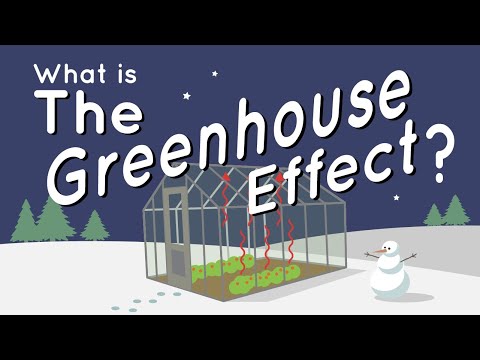
Global warming is one of those things that feels like a distant threat until it suddenly hits close to home. Basically, it’s the long-term rise in Earth’s average surface temperature due to human activities, especially burning fossil fuels. These fuels release greenhouse gases, which act like a warm blanket around the planet. And while you may enjoy a cozy blanket on a cold night, this isn’t exactly the same.
So here’s the deal: these greenhouse gases trap heat, making our planet warmer than it should be. This leads to a whole array of problems for both us and other living things out there. It’s not just about feeling hotter on summer days; it’s about widespread changes that throw everything out of whack.
- Extreme Weather Events: You know those wild storms that seem to pop up more often nowadays? Well, global warming is making them worse. Warmer air carries more moisture, leading to heavier rains and more flooding. Or think about hurricanes—they’re getting stronger because the ocean’s surface temp is rising.
- Melting Ice and Rising Sea Levels: Remember when you were a kid and built sandcastles at the beach? Imagine those castles being washed away because sea levels are creeping higher and higher. Glaciers in places like Greenland and Antarctica are melting at alarming rates, contributing to this rise and threatening coastal cities worldwide.
- Ecosystem Disruption: Ever seen a documentary where animals are struggling because their habitats are changing? That’s happening! As temperatures rise, some species can’t keep up or adapt quickly enough, leading to shifts in populations or even extinction.
- Ocean Acidification: The ocean absorbs around 30% of all CO2 produced by humans. This makes the water more acidic over time—think of it as adding lemon juice to your glass of water but way worse for marine life! This change hurts coral reefs and shellfish that are vital for many ecosystems (and some pretty tasty dinners).
- Agricultural Challenges: Farmers are feeling the heat too! Climate change affects growing seasons, making certain crops harder to cultivate or causing pests to thrive in new areas. That could mean higher food prices or less food overall.
You might think: “Okay, but what can I do about it?” Honestly? A lot! Simple things like reducing energy consumption—turning off lights when you leave a room—can add up over time. Supporting renewable energy sources also helps lessen our dependence on fossil fuels.
The threats from global warming aren’t just some distant thing waiting for future generations; they’re here now, affecting us right as we speak. Yet we’re not entirely helpless—you can be part of the change! By understanding how global warming impacts our planet and ecosystems, we can make better choices today for a healthier tomorrow.
Unifying Consensus: Exploring the 99.9% Agreement Among Scientists on Key Scientific Issues
So, let’s talk about this idea of a 99.9% agreement among scientists when it comes to issues like global warming. You might think, “How can there be such unity in a world full of differing opinions?” Well, it turns out that in the scientific community, there’s a lot of shared understanding based on evidence.
The thing is, scientists are pretty thorough. They don’t just throw out opinions based on gut feelings or trending hashtags. They rely on data—lots of it! When studies show consistent results across various fields and methods, you get this massive pile of evidence that points in the same direction.
Key scientific issues regarding global warming include:
- The Role of Greenhouse Gases: Carbon dioxide (CO2) and methane (CH4) trap heat from the sun and keep our planet warm. Without them, Earth would be a frozen wasteland.
- Rising Temperatures: The planet’s average temperature has risen significantly over the last century, with the past few decades seeing some of the hottest years recorded.
- Ice Melt: Glaciers and polar ice caps are melting at alarming rates. This not only raises sea levels but also disrupts ecosystems.
- Extreme Weather: Increased temperatures contribute to more extreme weather events—hurricanes, droughts, and heatwaves have become more frequent and intense.
You know how sometimes you see those viral videos where scientists argue? It looks chaotic! But when it comes to climate change specifically, most researchers are on the same page. This unity stems from long-term studies done by people around the globe. For instance, when folks study tree rings or sediment cores from oceans, they find patterns that align with current climate models.
An emotional angle here is that many scientists got into their field because they love nature. They’ve spent years observing changes in environments that once felt stable. For instance, I remember chatting with a friend who works at a wildlife reserve; she was devastated as she described seeing migratory birds arriving later than usual each year because their breeding cycles were thrown off by changing temperatures.
This shared understanding among scientists isn’t just numbers on a page; it’s tied to real experiences and observations in nature that impact wildlife and human life alike. And yeah—sometimes it can feel overwhelming trying to wrap your head around all this info!
Create discussions around these scientific consensuses can spark action too. As communities learn about what’s happening globally—like how rising sea levels threaten coastal towns—they often push for local policies or initiatives aimed at reducing carbon footprints or promoting renewable energy sources.
In summary, this 99.9% agreement isn’t just made-up hype—it reflects solid evidence collected over decades by dedicated people across various disciplines who care about our planet’s future. Scientists rally behind sound conclusions because they want you to know: climate change isn’t something we can ignore without serious consequences!
Exploring the 10 Significant Effects of Climate Change: Insights from Scientific Research
So, let’s talk about climate change. It’s something that affects all of us, and it’s not just some far-off problem; it’s happening right now. The science shows us some pretty significant effects that we need to pay attention to, and I’ll break them down for you.
- Rising Temperatures: This is the big one! Average global temperatures are increasing due to greenhouse gases trapping heat in the atmosphere. Think about those super hot summers we’ve all experienced lately. Yep, that’s part of it!
- Melting Ice Caps: Polar ice is melting at alarming rates. Have you seen pictures of how tiny polar bears look on shrinking ice floes? It’s heartbreaking and a direct result of rising temps.
- Sea-Level Rise: As the ice caps melt, sea levels rise. This can lead to devastating flooding in coastal areas. Just think about cities like Miami or New Orleans facing more water than they can handle!
- Extreme Weather Events: Climate change cranks up the dial on storms, floods, and droughts. Remember when hurricanes seemed to come out of nowhere? They’re getting stronger and more frequent because of warmer ocean waters.
- Ocean Acidification: Increased carbon dioxide isn’t just warming the air; some of it gets absorbed by oceans, making them more acidic. This is bad news for coral reefs and marine life—just like trying to build things in quicksand!
- Ecosystem Disruption: Animals and plants are struggling to keep up with changing climates. You might notice different birds or flowers popping up in your neighborhood that weren’t there before—that’s all part of the shift!
- Agricultural Challenges: Crop yields can take a hit due to changing rainfall patterns and extreme weather. Farmers are facing tough times trying to adapt when their growing conditions keep shifting.
- Human Health Risks: With climate change comes increased health risks—think allergies from longer pollen seasons or heat-related illnesses during those scorching summers.
- Migrant Crises: People might need to move as their homes become unlivable due to flooding or droughts. That leads to humanitarian crises that we’re already starting to see around the world.
- Biodiversity Loss: Many species are at risk of extinction because they can’t adapt quickly enough. Biodiversity loss means fewer options for food sources and ecosystem stability—kind of like pulling out pieces from a Jenga tower until it all comes crashing down!
The thing is, these effects don’t just add up—they compound each other in ways that make everything worse! So next time someone tells you climate change isn’t real, remember these points because they’re backed by science and data.
This is our planet we’re talking about! The future truly depends on what we decide today—let’s not sit back and watch the world change without us making an effort.
Global warming, huh? It’s like that nagging feeling you get when you know you’ve put off something important for too long. You can ignore it for a while, but eventually, it catches up to you. The science behind global warming isn’t just a bunch of numbers and graphs; it’s a real threat to the planet we call home.
So, let’s break it down. Basically, global warming happens when greenhouse gases—like carbon dioxide—trap heat in our atmosphere. Think of the Earth as a big blanket. If you keep adding layers to that blanket, it’s going to get pretty warm under there. This extra warmth is causing all sorts of problems: more intense storms, rising sea levels, and shifting ecosystems.
I remember sitting on the beach one summer day with my friends, feeling that warm sun on my skin and thinking about how perfect everything felt. But then I learned that those sunny days could become fewer and farther between if temperatures keep rising—and honestly, that made me really sad. The thought of losing those carefree moments we take for granted feels pretty heavy.
And then there are the animals! Warming oceans are affecting marine life; coral reefs are dying off at alarming rates. You know how everyone loves seeing those beautiful tropical fish? Well, without their homes in the reefs, they won’t be around much longer either—not unless things change.
But here’s where it gets even more complicated: as humans suck up resources and burn fossil fuels like there’s no tomorrow (literally), we’re adding even more greenhouse gases to the mix. It’s like we’re cranking up the heat without even realizing what we’re doing! And yes, I get that changing habits is tough; I’ve been there myself—who wants to give up driving everywhere or start composting?
The thing is, understanding global warming means realizing how interconnected everything is—humans, animals, plants…we all share this planet. So maybe if enough of us chat about this stuff over coffee or while walking in the park—or wherever—we can spark some changes big enough to make a difference.
Now, I’m not saying it’s easy or that it’s gonna happen overnight. But every little step counts because our planet deserves better than just being swept under the rug while we chase convenience and comfort. Feeling overwhelmed? Yeah, me too sometimes! Just remember that awareness is key—it can lead us down a path toward action and hope for a healthier world.
So next time you’re out enjoying nature or hanging with friends at the beach, take a second to think about what you could do differently today for tomorrow’s planet—and maybe share those ideas with others too! Who knows? That could be where real change begins.