You know what’s weird? I was chatting with a buddy the other day, and he mentioned how his favorite beach is turning into a mudflat. Seriously! One minute you’re building sandcastles, and the next, it’s like Mother Nature decided to hit the reset button.
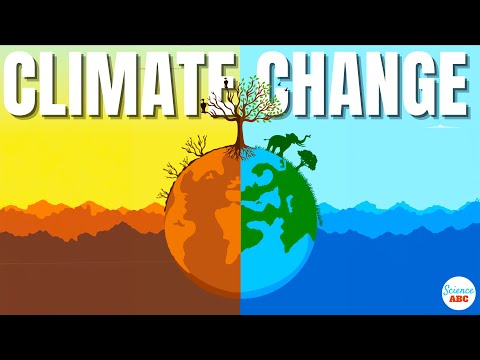
That got me thinking. Climate change isn’t just some boring term you hear on the news; it’s shaking things up everywhere! From melting ice caps to crazy weather patterns, our planet’s going through some serious changes.
So, let’s break it down a bit. I mean, this stuff affects us all—animals, plants, and yes, even our cozy weekend plans. Grab a snack and let’s dive into ten wild effects of climate change on our world!
Exploring the 10 Major Environmental Impacts of Climate Change: A Scientific Overview
Sure thing! Climate change is a major topic that affects us all, so let’s break down some of its key impacts in a way that’s easy to digest.
1. Rising Temperatures
The planet’s temperature is increasing, and that’s largely due to greenhouse gases. Think about how hot it gets during summer; now imagine those temperatures becoming the new normal. Just last year, we saw records shattered worldwide. The thing is, when temperatures rise, it can lead to all sorts of problems like more heatwaves and wildfires.
2. Melting Ice Caps
Our ice caps are melting faster than you can say “polar bear.” Seriously! The Arctic and Antarctic regions are warming quickly; this melts glaciers and sea ice. When this happens, sea levels rise, which isn’t good news for coastal cities or wildlife that relies on ice habitats.
3. Rising Sea Levels
As ice melts, sea levels creep higher each year. For people living in low-lying areas or islands, this is a serious concern. Just think about cities like Miami or Jakarta—they’re already dealing with flooding issues because of rising seas!
4. Ocean Acidification
When you think about the ocean, it’s not just water; it plays a huge role in our climate system too. As we burn fossil fuels, more CO2 gets absorbed by oceans which makes them more acidic—like adding vinegar to water! This acidification harms creatures with shells like oysters and corals. Losing coral reefs means losing beautiful ecosystems as well as coastal protection.
5. Extreme Weather Events
Hurricanes and storms seem to get wilder, don’t they? Climate change increases the intensity of these storms by adding heat energy to ocean waters. More heat leads to stronger winds and heavier rainfalls—a double whammy for communities caught in the crossfire.
6. Loss of Biodiversity
With climate change altering habitats dramatically, many species struggle to survive—you can imagine them being pushed out of their homes by rising temperatures or shrinking habitats! For instance, some plant species can’t migrate quickly enough to find cooler environments which puts them at risk of extinction.
7. Changes in Rainfall Patterns
Some places are getting drenched while others dry up—you know what I mean? With shifting climates, rainfall patterns have become unpredictable leading to droughts in some regions while others face flooding. These changes impact agriculture tremendously and can lead to food shortages.
8. Threats to Water Supply
Less predictable rain means less reliable freshwater sources too! Lakes and rivers might dry up during droughts while floods might contaminate existing water supplies with pollutants or bacteria—yikes! You’d be surprised how much we all rely on stable water supplies for our daily lives.
9. Impact on Agriculture
Farmers are basically facing a rollercoaster ride with climate change impacting crop yields directly through weather changes—think droughts or floods—and indirectly through pests becoming more aggressive as climates warm up.
10. Human Health Risks
The health risks caused by climate change are no joke! Heatwaves can make people sick during those scorching summer months; also increasing allergens from plants could mess with respiratory issues like asthma—definitely something we need to keep an eye on!
All in all, the effects of climate change touch every part of life—from ecosystems to human health—showing us just how interconnected everything really is! So yeah, understanding these impacts helps us realize why action is crucial right now.
Exploring the 20 Impactful Effects of Climate Change on Ecosystems and Human Health
Sure! Let’s get into it.
Climate change is like that one friend who shows up uninvited and messes up everything. It has some real impacts on both ecosystems and human health, and there’s a lot to unpack here. So, let’s break it down a bit.
1. Rising Temperatures: It’s getting hotter, folks. Seriously, average temperatures have gone up thanks to greenhouse gases. This affects everything from seasonal changes in plants to animal behaviors.
2. Melting Ice Caps: The polar regions are feeling the heat. Glaciers are melting faster than ever, leading to rising sea levels which create problems for coastal towns—think flooding!
3. Ocean Acidification: When CO2 gets absorbed by oceans, it makes the water more acidic. This is a big deal for marine life like corals and shellfish; they struggle to survive in these changing conditions.
4. Altered Weather Patterns: You know those super crazy storms? Yeah, climate change is making them more frequent and intense—hurricanes, heavy rainfalls, you name it!
5. Habitat Loss: As temperatures rise and weather patterns shift, many species find their homes disappearing or becoming inhospitable.
6. Threats to Biodiversity: Ecosystems rely on a balance of species, but climate change throws that off-kilter. Many animals face extinction due to loss of habitat or food sources.
7. Increased Spread of Diseases: Warmer climates mean more mosquitoes—and yep, those pesky bugs can carry diseases like malaria or Zika virus into new areas where people have never had to deal with them before.
8. Water Scarcity: As droughts become more common in certain areas, access to fresh water becomes limited. This affects drinking water and local agriculture.
9. Agricultural Challenges: Farmers are already feeling the heat (literally). Changes in temperature and precipitation can lead to reduced crop yields or even total crop failures in some areas.
10. Economic Strain: With all these changes comes economic trouble—from increased spending on disaster recovery efforts to disruption of food supplies impacting prices.
Moving on…
11. Changes in Migration Patterns: Animals aren’t just sitting around waiting for things to get better; they’re moving! Birds may migrate earlier or later than usual which can be problematic for their breeding seasons.
12. Impact on Fisheries: Fish stocks are shifting due to warming oceans—they’re moving towards cooler waters which might not be great news for fishing communities reliant on specific species!
13. Forest Fires: Hotter temperatures lead to drier conditions that increase wildfire risk—these fires destroy habitats while also releasing carbon back into the atmosphere.
14. Soil Degradation: Erosion gets worse with changes in rainfall patterns and increased storms; soil health declines which means less food production in the long run.
15. Mental Health Issues: Communities facing climate-related disasters often report increased rates of anxiety and depression due to stress over losses they experience (think houses lost in floods).
16: Urban Heat Islands: Cities tend to trap heat more than rural areas because of all the concrete buildings—this increases energy use during hot summer months, straining resources further.
17: Reduced Air Quality: Higher temperatures can worsen air quality by increasing ozone levels in polluted areas—this is bad news especially for folks with respiratory issues!
18: Ecosystem Disruption: Everything’s interconnected—you take one part away, and you disrupt the whole system! For example, when certain plants die off due environmental changes it affects all the animals that rely on them for food!
19: Cultural Impacts : Indigenous peoples often have deep connections with their environments; as ecosystems change dramatically so do traditional practices related to hunting or gathering foods.
And lastly…
20: Global Inequality Exaceration . Those who contribute least (often poorer nations) suffer most from climate impacts—it creates an unfair divide exacerbating existing inequalities globally!
In summary, climate change isn’t just an environmental issue; it’s an urgent health crisis affecting every corner of our planet—from the fish swimming away from familiar waters—to you struggling with allergies because pollen season started earlier this year! It’s all connected!
Exploring the Scientific Consequences of Climate Change: Impacts on Ecosystems, Weather Patterns, and Human Health
Climate change is like that unwelcome guest who just won’t leave. You know, the one who makes everything a bit more complicated? It’s causing some serious shifts in ecosystems, weather patterns, and even our health. Here’s a closer look at what’s happening.
Ecosystems are shifting. As temperatures rise, many species are trying to move to cooler areas. Think about polar bears needing ice to hunt. If that ice melts away, where do they go? This is not just about animals; plants are also moving to new places or struggling to survive. It’s like a game of musical chairs, but there aren’t enough chairs for everyone.
Weather patterns have turned chaotic. You might’ve noticed more extreme weather lately. Some places get hit by heavy rains while others face droughts. This is because warmer air holds more moisture, leading to intense storms and floods in certain regions. Just imagine a day when you’re sunbathing and then suddenly there’s a tornado warning! That unpredictability can be pretty unnerving.
Human health is on the line. With changing climates come new health threats. For example, warmer temperatures can lead to longer allergy seasons—just when you thought pollen was bad enough already! Plus, heatwaves become more frequent; these aren’t just uncomfortable but can be deadly for vulnerable populations like the elderly or those with existing health conditions.
- Infectious diseases may spread. Mosquitoes love warmth, right? That means diseases like malaria could spread further as they move into new regions.
- Food security issues arise. Crop yields could be affected by unstable weather patterns and changing temperatures. Fewer crops mean higher prices and potential hunger issues.
- Water supplies might dwindle. Droughts can lead to less water available for drinking and agriculture, putting stress on communities.
- Mental health impacts increase. Natural disasters can lead not only to physical damage but also mental strain on people witnessing their homes and lives being uprooted.
Talking about this stuff isn’t easy; it feels overwhelming sometimes. I remember watching a documentary on climate change that showed kids living in areas affected by flooding—just seeing their worried faces hit hard. They should be thinking about their dreams, not if their homes will withstand the next storm!
Every little action adds up in this climate change challenge we’re facing together—so being aware is already a great start! Whether it’s reducing waste or simply spreading awareness, there’s hope for positive change if we all pitch in.
Climate change, huh? Just saying the words can feel heavy. It’s like the world is sending us a loud, annoying alarm bell that we just can’t snooze. You know, the other day I was watching this documentary about polar bears struggling to find ice to rest on. Seriously, it tugged at my heartstrings. Imagine being that beautiful creature, out there in a world that used to be full of ice and snow, now just… water. It really showcases how much our climate is shifting.
One way climate change messes with our planet is through rising temperatures. You’ve felt it, right? Those hot summers that seem endless? Well, Earth is getting warmer year after year because of greenhouse gases trapping heat in the atmosphere. It’s like wrapping a cozy blanket around our planet but not in a good way.
Then there’s sea level rise. It sounds technical and all, but it’s pretty straightforward: as glaciers and ice sheets melt due to higher temps, oceans swell up like overfilled bathtubs. Some coastal towns are facing real risks of disappearing! Can you imagine your favorite beach town slowly vanishing into the sea?
And let’s talk about weather extremes—storms are becoming more intense, floods are pounding down harder, and droughts stretch longer than ever before. Yeah, it feels like Mother Nature has turned up her drama levels to maximum because she’s fed up with us!
But also on the list are changes in ecosystems. Animals and plants struggling to adapt or find new homes because their habitats are changing or disappearing? That hits home too! I remember seeing videos of coral reefs struggling; they’re so beautiful but sensitive as ever. Rising ocean temperatures lead to coral bleaching—I mean come on! This vibrant undersea world fading away isn’t something we can ignore.
Pollinators like bees are affected too! As flowers bloom earlier due to milder winters or unpredictable weather patterns, bees might not be synchronized with their food sources anymore—what’s gonna happen if they can’t find what they need? It’s a ripple effect; one tiny bee could mess up food systems we rely on!
And oh man, let’s not forget about human health issues that come from climate change: heatwaves leading to heat-related illnesses or even worsening air quality triggering asthma—you feel me?
These changes aren’t just statistics; they’re stories of every living thing—a butterfly flapping its wings in a dying garden or trees quietly shedding their leaves in confusion about when winter should really start.
So yeah, climate change is shaking things up big time for every corner of our planet—from melting glaciers to confused bees and everything in between. It makes you stop and think about how interconnected we all are—humans included—and reminds us we have some serious work ahead if we want to preserve the beauty that surrounds us!