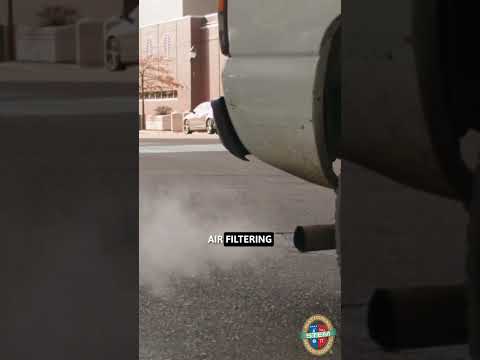
You know that feeling when you step outside and it just smells… fresh? Like, wow, nature has done its thing today! Well, not every day is like that, huh? Sometimes it’s more like a game of dodge-the-smog or “who’s-that-guy-wearing-odd-smelling-socks?”
So here’s a fun fact: every year, more than 8 million tons of plastic end up in our oceans. Can you even wrap your head around that? It’s like dumping a truckload of trash into the sea every minute!
But seriously, there are some cool scientists out there cooking up some genius ideas to clean it all up. They’re tackling plastics and pollution like superheroes but without the capes. It’s not just about making things look pretty; these innovations could actually save our planet.
I mean, imagine if we could turn waste into something useful! Or clean energy sources that don’t suck the life out of our Earth. Sounds dreamy, right? Let’s break down some of those exciting approaches that might just help us breathe easier—and live better—on this beautiful planet we call home.
Exploring Environmental Innovations: How Scientific Advancements Are Shaping a Sustainable Future
Have you ever noticed how more and more people are talking about sustainability? It’s like, everywhere you turn, someone’s discussing it. Well, that’s because of some pretty cool scientific advancements happening right now. These innovations are like little pieces of a puzzle coming together to create a cleaner planet.
Renewable Energy: You’ve probably heard about solar and wind energy. But what’s really exciting is how they’re getting better every day. For instance, solar panels are becoming super efficient at converting sunlight into electricity. Some new materials can even harness light that traditional panels just miss! And wind turbines? They’re being designed to spin even with light breezes, which means more energy from places we didn’t think possible.
Sustainable Agriculture: Farming is tough on the environment, but science is stepping in. Researchers are developing crops that need less water and can resist pests without harmful chemicals. Imagine a world where farmers can grow food sustainably without wrecking the soil. Plus, there are some crazy innovations like vertical farming—growing plants in stacked layers—so people can have fresh veggies in urban areas without using up land.
Waste Management Innovations: Here’s something we all deal with: trash! Scientists are finding ways to turn waste into resources instead of just dumping it in landfills. There’s this process called anaerobic digestion that breaks down organic waste and converts it into methane gas for energy—and leaves behind nutrient-rich fertilizer! Just picture turning your leftover food into clean power for your home; how awesome is that?
Carbon Capture Technology: Now let’s talk about something serious: carbon dioxide in the atmosphere. It’s like an unwanted guest that just won’t leave! But researchers have come up with ways to capture and store CO2 directly from the air or emissions from factories before it gets released into the atmosphere. Some even use it to create products like fuel or concrete! It’s not just about cutting emissions; it’s also about cleaning up what we’ve already put out there.
Water Purification:** Water is life, right? But not all water is clean enough to drink. Innovations in filtering technology are making huge strides forward. For example, scientists have developed filters made from graphene—yes, the same stuff used in fancy tech—that can filter out contaminants at a molecular level while still allowing water to pass through easily.
It might sound overwhelming when you consider all these issues we’re facing today—the reality is a mix of challenges and opportunities. With creativity and science on our side, it feels like there’s hope for turning things around! Each of these breakthroughs demonstrates how we’re learning to live more harmoniously with nature.
So yeah, while we’ve got a long way to go toward sustainability, these new ideas show us that change isn’t only possible; it’s happening right now! And who knows? Maybe one day you’ll be telling your grandkids about how we tackled environmental challenges together using the powers of science!
Scientific Strategies for Cleaning Our Planet: Effective Solutions for a Sustainable Future
Cleaning our planet is no small task, but science is stepping up in a big way! There are innovative strategies out there, and they range from cleaning oceans to developing new materials. It’s pretty cool how scientists are tackling these environmental challenges.
1. Bioremediation: This involves using living organisms to clean up polluted environments. For instance, certain bacteria can break down oil spills or heavy metals in the soil. Imagine your favorite beach getting cleaned by bacteria that munch on oil – kind of like nature’s own cleanup crew!
2. Plastic-Eating Enzymes: Researchers have discovered enzymes that can digest plastics in a matter of hours or days. Unlike traditional methods, which take centuries to decompose plastic waste, these tiny proteins can help us tackle that mountain of plastic pollution in a more efficient way.
3. Renewable Energy Solutions: Transitioning from fossil fuels to renewable energy sources like solar or wind power helps decrease greenhouse gas emissions. Think about it: harnessing the sun’s energy to power homes and businesses could lessen our reliance on dirty fuel sources.
4. Vertical Farming: This approach allows for growing food in stacked layers, often in urban settings, which minimizes land use and transportation emissions. It’s like creating mini-ecosystems right where people live! Plus, it reduces the carbon footprint associated with transporting food from farms to cities.
5. Carbon Capture: Scientists are working on ways to capture carbon dioxide emissions directly from the air or industrial processes and store it underground or convert it into useful products. Sounds futuristic, right? But this tech could play a massive role in reducing overall emissions.
And hey, let’s not forget about education and community awareness! Engaging people through science communication makes a difference too; when communities understand environmental issues better, they’re more likely to take action at local levels.
Looking back for a moment – I remember volunteering for a beach cleanup when I was younger. It was heart-wrenching seeing so much trash washed up on the shore but also heartwarming when everyone came together with bags in hand, motivated to make a difference just through our efforts alone.
So really, every effort counts! Whether it’s through cutting-edge scientific innovations or small grassroots movements, we can all play our part in creating a cleaner planet for generations to come. What’s not exciting about being part of something that helps Mother Earth?
Exploring the 5 C’s of Sustainability: A Scientific Perspective on Sustainable Practices
Sustainability is one of those buzzwords that pops up everywhere these days, isn’t it? But what does it really mean to *be* sustainable? Well, a neat way to think about it is through the 5 C’s of Sustainability. These are basically principles or frameworks that can guide how we interact with our planet. So, let’s break those down.
1. Conservation
Conservation is all about using resources wisely. It’s like when you realize you have a limited amount of your favorite snack left. You want to make it last, right? In nature, this means protecting habitats and ecosystems so they can thrive for future generations. For example, when we conserve forests, we’re not just saving trees; we’re helping a whole bunch of wildlife and keeping carbon in check.
2. Circular Economy
Ever heard of “reduce, reuse, recycle”? That’s the circular economy in action! Instead of the old-school model where we take stuff, make stuff, and toss stuff out (which sounds kinda wasteful), the circular economy aims to keep products and materials in use as long as possible. Think about how many items could be refurbished rather than thrown away—like clothes or electronics! Isn’t that a smarter approach?
3. Community
This one might hit home for many people. Community refers to the idea that sustainability works best when people come together. Whether it’s local clean-up events or community gardens, collaboration makes a big difference! Remember that time you teamed up with friends to tackle a cleanup in your neighborhood? That’s what community sustainability is all about—empowering people to take action together.
4. Connectivity
You know how everything feels connected these days thanks to social media? Well, nature works similarly! Connectivity emphasizes the relationship between various ecosystems and human activity. For example, if there’s pollution in one river upstream, it affects everyone downstream too. Understanding this network helps us see why our actions matter on a larger scale.
5. Character
This last “C” might sound a bit different from the others but hang tight! Character relates to sustainability’s core values—responsibility and ethics toward our environment and each other. It’s about making decisions that prioritize long-term health over short-term gain. Think about choosing renewable energy sources because it just feels right instead of relying on fossil fuels which harm our planet.
The 5 C’s aren’t just some academic theory; they’re practical skills we can all learn and apply day-to-day! By integrating conservation efforts into our lives or pushing for community engagement projects around us, we’re becoming part of something bigger—a cleaner planet.” So next time you hear someone mention sustainability or see news about climate change challenges ahead—consider these C’s! They might just ignite some ideas on how you can contribute.
You know, it’s kind of wild to think about how far we’ve come in our efforts to clean up the planet. Like, I remember watching those old sci-fi movies where they showed futuristic cities with flying cars and sparkling skies. Well, we still don’t have flying cars—sorry to burst that bubble—but we are seeing some pretty innovative approaches in science that could help us take better care of our home.
Just the other day, I stumbled upon this inspiring story about a young scientist who created biodegradable plastic from seaweed! Can you imagine? Instead of that pesky plastic floating around and harming marine life, we could have materials that break down naturally. It really hit me; it’s amazing when people think outside the box like that. Makes you realize how resourceful we can be if we just put our minds to it.
But here’s the kicker: innovation isn’t just about cool inventions. It’s also about changing our mindset. We need to rethink how we use resources. Like, there’s this thing called circular economy, which is basically a fancy term for reducing waste by reusing what we’ve already got. Picture an endless loop of recycling and repurposing—that’s where science can play a major role.
Lately, scientists have been working on ways to harness renewable energy sources too—like wind and solar power—so that we’re not sucking up the Earth’s resources dry anymore. Just thinking about kids growing up in a world with clean energy makes me hopeful for the future!
Of course, it’s easy to get overwhelmed when you look at the big picture. Climate change feels like this gigantic beast sometimes, doesn’t it? But every little innovation adds up. Even tiny changes in behavior can create ripples of impact.
So, while it might seem daunting at times, let’s keep an eye on these cool scientific advancements and embrace sustainable practices in our own lives too! After all, turning things around for a cleaner planet is less about perfection and more about progress—even if it means taking baby steps occasionally!