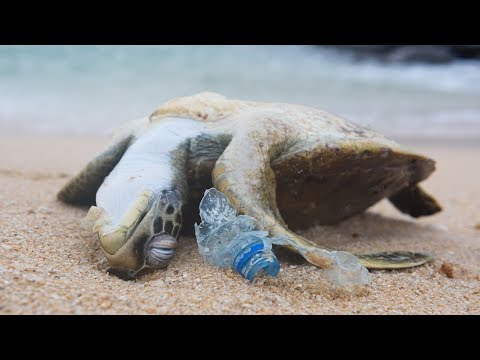
You know that feeling when you’re at the beach, sun shining, waves crashing, and suddenly you spot a plastic bottle floating by? Yeah, it kinda ruins the vibe, huh? It’s like Mother Nature is rolling her eyes at us!
But seriously, ocean pollution is no small joke. It’s a big deal. Millions of tons of trash end up in our oceans every year. Can you imagine? That’s like dumping a massive truckload of garbage into the water every single minute.
So what’s the scoop? Well, it messes with marine life, hurts fishermen’s livelihoods, and even affects our health. Yikes! But don’t worry; there are cool solutions out there that folks are working on to clean things up.
Let’s chat about the challenges we’re facing and some of those ideas for making our seas a little cleaner. Sound good?
Innovative Scientific Approaches to Mitigating Ocean Pollution: Strategies for Effective Cleanup
Ocean pollution is a massive problem that’s affecting marine life, ecosystems, and even humans. Seriously, it’s like we’re trashing the biggest water body on Earth! But don’t worry; there are some innovative approaches scientists and researchers are cooking up to tackle this issue.
One major type of ocean pollution comes from plastics, which can end up in our seas through rivers or direct littering. These plastics can take **hundreds of years** to break down! But check this out: some scientists are developing **microbial solutions**, using specially engineered bacteria that munch on plastic. It’s like having tiny garbage-eating machines working overtime to clean up our mess!
Another cool approach involves **floating barriers**. These barriers are designed to catch drifting debris before it gets swallowed by the ocean. They’ve been used in places like the Pacific Garbage Patch, which is basically a floating soup of plastic waste. By using these barriers, we can stop more trash from spreading out further. It’s like putting a net over your backyard to keep leaves from blowing all over!
You might also find this interesting: **ocean cleanup drones**! Yep, they’re real. These drones have cameras and sensors that help locate larger pieces of garbage in hard-to-reach areas. They act sort of like superheroes for the ocean—swooping in to identify where the trash hangs out, making cleanup efforts way more efficient.
Now let’s talk about one more method: **biodegradable materials**. If we could replace regular plastic with biodegradable alternatives, we’d be taking a giant leap toward reducing pollution right at the source! Imagine if your shopping bag actually decomposed naturally instead of sitting around for centuries like an unwelcome guest at a party.
And here’s something you might not expect—there’s also a focus on restoring mangroves and seagrasses because they can absorb pollutants before they spread into open waters. Basically, planting trees isn’t just good for the land; it helps our oceans too!
To sum it all up:
- Microbial solutions>: Engineered bacteria that consume plastics.
- Floating barriers>: Catching debris before it spreads.
- Ocean cleanup drones>: Tech finding trash in tough spots.
- Biodegradable materials>: Replacing traditional plastics.
- Mangroves & seagrasses>: Natural filters protecting marine ecosystems.
So yeah, while ocean pollution is a serious challenge, there are some pretty exciting innovations being put into action. We need this kind of creativity to ensure cleaner seas for future generations—and who knows? Maybe one day we’ll look back and see how these strategies changed everything!
Effective Strategies for Mitigating Ocean Pollution: A Scientific Approach
Ocean pollution is a serious problem, and it’s kind of like a big, messy room that nobody wants to clean up. But there are some smart strategies out there that we can use to tackle this issue. Let’s break it down.
Reduce Plastic Use: One of the main culprits in ocean pollution is plastic. It’s everywhere! But imagine if we all just cut down on single-use plastics, like straws and bags? We could make a big difference. Like, if every person used one less plastic bag a week, that could save billions of bags annually from ending up in the ocean. Crazy, right?
- Recycling and Reusing: This is super important! If we recycle more, fewer materials will end up in landfills or our oceans. For example, take your old water bottles; instead of tossing them, you might turn them into something cool.
- Clean-Up Initiatives: Many communities organize beach clean-ups. These events not only remove trash but also raise awareness about ocean pollution. You can join one or even start your own! The feeling of seeing a cleaner coast is just so rewarding.
- Sustainable Practices: So many industries contribute to ocean messiness—fishing being one of them. By promoting sustainable fishing practices and reducing overfishing, we can help maintain the balance of ocean life.
- Education and Awareness: Teaching people about the harmful effects of pollution can really inspire change. Schools often have programs that encourage kids to care for the environment, which is awesome because they’re the future!
Support Legislation: Policies play a huge role in tackling this issue. Advocating for stricter laws regarding waste management and protection for marine life can lead to real change. Think about it: your voice matters!
Innovative Technologies: There are some really cool tech solutions out there aiming to clear our oceans. For example, some teams are using drones to monitor pollution levels in real-time! And there are machines designed specifically to catch plastic waste before it ever hits the shore.
The thing is, mitigating ocean pollution isn’t just up to scientists or governments; it’s a team effort! Just picture it: if each person takes even one small step toward reducing their impact on the ocean—like choosing reusable options—it could ripple through communities and beyond.
This whole dilemma reminds me of a time I went kayaking at my favorite spot by the beach. I was excited until I noticed bits of trash floating around me; it felt heavy in my heart knowing that such beauty was being wrecked by something so avoidable. It pushed me to be more active about making changes myself.
In short, dealing with ocean pollution needs action from all corners—individuals, communities, governments—you name it! Together we can make strides toward cleaner oceans for ourselves and future generations.
Exploring the Scientific Goals of Ocean Cleanup Initiatives: A Path Towards Sustainable Marine Conservation
Ocean pollution is a big deal, and it affects us all. Seriously, the oceans cover over 70% of our planet, and they’re home to countless species. But here’s the kicker: human activities are dumping tons of trash into them every day. This is where ocean cleanup initiatives come into play. They aim to tackle this issue head-on, focusing on various scientific goals that contribute to a cleaner marine environment.
One of the main goals of these initiatives is to reduce plastic waste. You know that feeling when you see a beach covered in litter? It’s heartbreaking! Teams are developing technologies to collect plastics before they can harm marine life. For instance, floating barriers can trap debris while allowing sea creatures to swim underneath. It’s like designing a giant net that scoops up trash without harming our fishy friends!
Another key focus is understanding the impact of pollution. Scientists are studying how plastics break down in water and how microplastics enter the food chain. This knowledge helps in assessing risks not just for marine life but also for humans who rely on seafood for sustenance. It’s pretty wild when you think about how what we discard affects animals and even our health.
A really cool aspect of these cleanup efforts involves community engagement. Various programs invite volunteers to participate in local cleanups, fostering awareness about ocean conservation. When people pick up trash together, it builds a sense of responsibility and connection to nature. Plus, those beach cleanups can turn into super fun days out with friends or family!
The technology used in these initiatives is developing fast! Some projects use drones or underwater robots to monitor pollution levels or even collect debris from hard-to-reach areas. Imagine a little robot making its way around the ocean floor, picking up trash – sounds like something out of a sci-fi movie! But this tech helps scientists gather valuable data while actively cleaning.
Sustainable solutions are also on the radar. Many organizations are looking into ways that communities can reduce their plastic usage altogether. Think reusable bags or biodegradable alternatives – changing policies and habits at local levels makes a huge difference over time! Sometimes small actions have ripple effects that lead to significant change.
The collaboration between scientists, policymakers, and communities is essential in tackling ocean pollution too. It’s like having an all-star team playing for one cause: healthier oceans! By sharing research findings with decision-makers, they can create laws and regulations aimed at protecting marine environments more effectively.
But let’s be real – tackling ocean pollution won’t happen overnight. The scale of the issue feels overwhelming sometimes; however, progress is being made bit by bit because every little effort counts! You know what they say: “many hands make light work.” So whether it’s innovating new tech or cleaning up beaches on weekends, we all have a role in this journey towards sustainable marine conservation.
In short, ocean cleanup initiatives play a crucial role in addressing pollution through innovative tech and community involvement while uncovering vital insights about our oceans’ health. We’re part of this adventure together – so keep your eyes peeled for ways you can help keep our seas clean!
You know, the ocean has always felt kind of magical to me. I remember being a kid, standing on the shore, watching waves crash and feeling that salty breeze whip across my face. It was like a big blue heart, alive with mystery and life. But nowadays, that heart seems to be struggling. Ocean pollution is this huge problem that feels overwhelming at times, but it’s also something we can talk about—because it’s important.
First off, let’s get real about why the ocean matters. It’s not just a pretty view or a place for summer vacations; it actually plays a massive role in our planet’s health. Oceans produce over half of the world’s oxygen and they’re home to countless species—some we haven’t even discovered yet! But when I think about the plastic waste floating around or those oil slicks marring the beauty of it all, my heart sinks. Seriously, have you seen images of turtles trapped in plastic? It hits you right in the gut.
So what are we up against? Well, there’s plastic pollution—like, tons of it—chemical runoff from farms and factories, oil spills, and even noise pollution from ships disrupting marine life. And here’s where it gets really sad: these problems aren’t just bad for fish; they affect us too because all those little creatures are part of our food chain. We’re basically eating what they eat! So if they’re swimming in trashy waters full of toxic chemicals… not cool.
But here comes the good part: there are some solutions out there! People are getting creative and trying to tackle these issues head-on. Picture beach clean-ups where folks come together with garbage bags instead of surfboards before diving into the waves—that sense of community is pretty inspiring if you ask me!
And hey, have you heard about companies making biodegradable alternatives to plastic? It might sound too good to be true sometimes but innovation is happening! And education is crucial too; the more we teach kids (and ourselves) about how our little daily choices impact oceans can create ripples (pun intended!) of change.
The thing is, everything connects back to us as individuals. Simple things like reducing single-use plastics or supporting sustainable seafood choices can make an impact over time. We have this chance to shift things towards a cleaner future together—like turning our hearts towards that big blue wonder with love and respect again.
So yeah, let’s keep talking about ocean pollution because it’s urgent—and we all play a part in making sure that magical sea stays alive for generations to come!