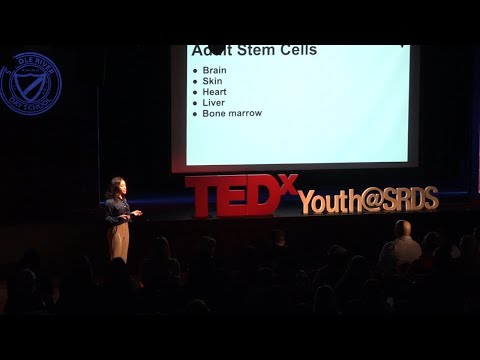
So, picture this. You’re sitting at a café, chatting with a friend about life and all its ups and downs. Suddenly, they mention something wild: scientists can now take a regular skin cell, flip the script, and turn it into a cell that could potentially become anything—heart, brain, you name it. Crazy, right?
That’s the magic of induced pluripotent stem cells (or iPSCs). They’re like those shape-shifting characters in cartoons that can morph into whatever they need to be. But instead of just entertaining us on screen, these little guys are opening doors in medicine we never thought possible.
Imagine if we could fix broken hearts or heal injuries like they were just bad cuts in your favorite shirt! This isn’t some far-off dream either; it’s happening now! So grab your coffee, ’cause we’re about to dive into how these stem cells are changing the face of medicine one day at a time.
Advancements in the Induction of Pluripotent Stem Cells from Fibroblast Cultures: A Comprehensive Overview
So, let’s chat about induced pluripotent stem cells (iPSCs)! These little wonders are like the chameleons of the cell world. They can transform into almost any type of cell in your body. Basically, they’re a game changer in medicine.
The journey to creating iPSCs started with **Shinya Yamanaka** and his team in 2006. They discovered that by introducing just four specific genes into adult fibroblasts—those are the cells that help form connective tissue—you could essentially hit the reset button. This process turns these regular skin cells back to a pluripotent state, which is fancy talk for them having the potential to develop into any cell type!
Here’s how it works:
- First, you take some fibroblast cells from a small skin biopsy.
- Then, you introduce those four genes (OCT4, SOX2, KLF4, and c-MYC) using viral vectors or other methods.
- After some time, voila! You’ve got cells that behave like embryonic stem cells.
But why do we care about this? Well, think about it. iPSCs open up new avenues for research and treatments. You can create patient-specific cells for drug testing without worrying about rejection or ethical issues tied to embryonic stem cells.
Now, let’s touch on some cool advancements in this field. Researchers have been exploring ways to improve the efficiency and safety of producing iPSCs. One exciting method involves using **small molecules** instead of viruses to deliver those reprogramming genes. This means less risk of integrating foreign DNA into our cells — which is pretty crucial when we’re thinking long-term therapies!
Another promising area is **direct reprogramming**, where scientists are skipping the full pluripotent stage altogether and turning one type of adult cell directly into another (like fibroblasts straight into neurons). Imagine how fast that could speed up treatments for neurodegenerative diseases!
But wait—it’s not all sunshine and rainbows here. There are challenges too! For instance:
- Genetic stability: Sometimes these iPSCs can acquire unwanted mutations over time.
- Immune rejection: Even though they’re made from your own cells, there’s still a chance your immune system might see them as foreign.
To wrap it up nicely: The promise of iPSCs in medicine is huge! They could lead to personalized therapies for conditions like Parkinson’s disease or even heart disease. And while there are bumps along the road, researchers are working tirelessly to smooth things out.
So yeah, keep your eyes peeled for what comes next! This field is evolving rapidly; who knows what breakthroughs lie just around the corner?
Advancements in Science: The Role of Yamanaka IPS Cells in Regenerative Medicine
So, let’s talk about something that sounds super fancy but is groundbreaking in the world of science: Yamanaka IPS cells. Yeah, I know it sounds like a mouthful, but hang tight! These little guys are actually a big deal when it comes to regenerative medicine, and I’m here to break it down for you.
First off, what are these IPS cells? Well, induced pluripotent stem cells (or IPS cells for short) are like the versatile superheroes of the cell world. They can turn into almost any type of cell in your body. That’s right! Think about your skin cells, heart cells, or even nerve cells—IPS can become any of those. This flexibility makes them incredibly valuable for research and potential treatments.
Now, how did we get here? The story picks up with a brilliant scientist named Shinya Yamanaka. Back in 2006, he figured out how to reprogram regular skin or blood cells into these super-powered IPS cells. Like magic! It was a major breakthrough—so much so that he won the Nobel Prize in 2012. Seriously impressive stuff!
Here’s where it gets even cooler: these IPS cells open up new possibilities for medicine. For instance:
- Tissue Repair: Imagine being able to regenerate damaged heart tissue after a heart attack. With IPS technology, scientists are exploring ways to create new heart muscle from these stem cells.
- Disease Modeling: Researchers can use IPS cells from patients with certain diseases (like Parkinson’s) to study how the disease works at a cellular level—kind of like having a living lab!
- Drug Testing: Instead of testing new drugs on animals or humans right away, scientists can use IPS-derived human cells as models to see how they might react.
- Personalized Medicine: Picture this: you take a few skin cells from someone and create IPS cells tailored just for them. This could lead to treatments that fit individual needs perfectly.
But listen, it’s not all sunshine and rainbows. There are challenges too! For instance, sometimes these induced pluripotent stem cells can form tumors if not controlled properly. That’s definitely something researchers have to tackle before we see mainstream treatments.
I remember reading about an exciting experiment where researchers used Yamanaka’s IPS technology to create dopamine-producing neurons from patients with Parkinson’s disease. They then implanted these neurons into rats showing symptoms of the disease—and they saw improvements! Can you imagine? That gave me chills.
So basically, Yamanaka’s work with induced pluripotent stem cells is paving the way for revolutionizing medicine as we know it today. It holds unbelievable potential for treating all sorts of conditions—from degenerative diseases to injuries that seemed impossible to heal before. And while we’re still figuring things out—like safety and practical applications—the future looks pretty bright thanks to these amazing little stem cell superheroes!
Exploring the Impact of Yamanaka’s Stem Cell Research on Regenerative Medicine
Alright, so let’s chat about Yamanaka’s stem cell research and its big impact on regenerative medicine. It’s kind of like a superhero story in the science world, yeah? Seriously, his work has changed everything we thought we knew about cells and healing!
First off, what are induced pluripotent stem cells (iPSCs)? Well, they’re like the cool chameleons of the cell world. Yamanaka discovered that you can take regular cells from, say, your skin or blood and reprogram them to become pluripotent. This means they can turn into any type of cell in your body—like switching between being a skin cell or a heart cell! Can you imagine the possibilities?
Now, let me tell you why this is so huge. Regenerative medicine is all about repairing or replacing damaged tissues and organs. With iPSCs, the potential for treating diseases like Parkinson’s, diabetes, or even heart disease just skyrocketed! Instead of waiting for organ donations, we could grow new tissues right from your own cells.
And here’s where it gets even cooler: personalized medicine. Yamanaka’s discovery means that doctors can create patient-specific cells to test new drugs. Imagine having a drug tailored just for you! Sounds pretty neat when you think about it.
But hey, it’s not all sunshine and rainbows. There are some ethical questions, too. Although iPSCs don’t come from embryos (which was a big concern), there’s still ongoing research to ensure we’re using these technologies responsibly.
- Tissue Engineering: Scientists are looking at ways to use iPSCs to create tissues that could potentially heal wounds or replace damaged organs.
- Drug Testing: Using these stem cells allows researchers to see how different drugs work on human-like tissues without needing actual people—talk about safe testing!
- Understanding Diseases: By studying how iPSCs develop into different types of cells affected by diseases, researchers can uncover more about disease mechanisms.
- Regeneration Potential: Imagine if one day we could regenerate parts of our bodies that have been affected by illness or injury; well, that’s on the horizon thanks to this research!
You know what really hits home? There was this story I read about a little girl who had a severe heart defect. Thanks to advancements in regenerative medicine using iPSCs, doctors were able to create patches for her heart from her own skin cells. She now has a chance at living a normal life! I mean, how incredible is that?
In short, Yamanaka’s stem cell research isn’t just lab talk; it’s transforming real lives by pushing boundaries in regenerative medicine. It opens doors we didn’t even know existed before! So next time someone mentions stem cells or regenerative therapies, just remember—you’re not just talking science; you’re talking hope!
You know, I’ve been thinking about induced pluripotent stem cells—or iPSCs, for short—and honestly, it feels like we’re standing at the edge of something amazing in medicine. Just imagine: a world where damaged tissues and organs could be repaired or even replaced using your own cells. How cool is that?
I remember reading a story about a little girl named Emma who, after a severe injury, faced the possibility of never walking again. Her doctors were hopeful but cautious. The idea was that if they could use her skin cells to create iPSCs, they might coax those cells into becoming the nerve cells needed to help her move again. It was like something out of a sci-fi movie! She ended up being part of a trial that harnessed this technology. Watching her journey unfold was pretty emotional; you could feel the hope in the air.
So here’s how it works: Scientists take ordinary skin cells and reprogram them back into an earlier state—kind of like hitting rewind on their cellular playlist. This process makes them pluripotent, which means they have the potential to turn into almost any type of cell in the body! Heart cells? Check. Neurons? Check! It’s like giving these cells a chance at a new life.
And while there are tons of potential benefits—like reducing rejection rates since you’re using your own cells—there are challenges too. We’ve got to ensure these stem cells behave themselves and don’t go rogue or form tumors, which would be bad news all around.
But honestly? Some people fear this kind of research. It feels too much like playing God for some folks or raises questions about ethics and consent. I get that—it’s important to tread carefully when we’re messing with the building blocks of life.
In any case, what excites me is imagining where all this could lead us in medicine! Retinal repair for blindness? Heart tissue regeneration for heart disease? The possibilities seem endless! So yeah, it’s clear that iPSCs have this enormous promise ahead; they might just transform how we approach healing and repair in ways we can’t quite comprehend yet.
You can’t help but feel hopeful when you think about all those lives potentially changed by this technology—you follow me?