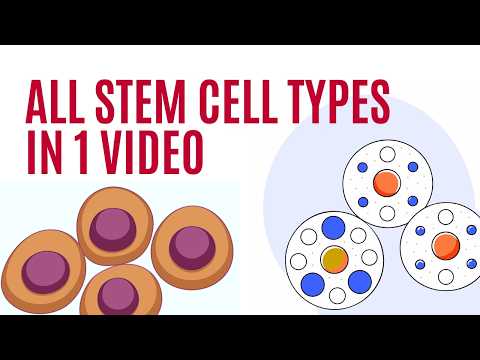
You know what’s wild? Your body has these tiny powerhouses called stem cells, just hanging out, waiting for a chance to help you heal. Like, imagine them as little superheroes ready to swoop in and save the day whenever something goes wrong.
So, picture this: you accidentally cut your finger while chopping veggies. Ouch! But then, within days, it’s healed. That’s your stem cells at work! They’re like the body’s built-in repair team.
In regenerative medicine, we’re basically trying to harness that amazing potential and do even more with it. We could fix damaged organs or regenerate tissues—seriously cool stuff!
Let’s dig into how these tiny but mighty cells are changing medicine as we know it. Ready?
Exploring Stem Cells and Regenerative Medicine: A Comprehensive PDF Guide for Scientific Advancement
So, let’s chat about stem cells and regenerative medicine. Sounds a bit fancy, huh? But seriously, these topics are super interesting. They’re like the superheroes of the medical world. Why? Well, because they have this amazing ability to turn into different types of cells in your body. It’s like having a bunch of different costumes in your closet that you can wear depending on what you need.
What Are Stem Cells?
Okay, picture this: stem cells are like the blank slates of our bodies. They can become muscle cells, brain cells, skin cells—pretty much any cell you can think of! There are two main types: embryonic stem cells, which come from embryos, and adult stem cells, which you can find in places like your bone marrow or fat. The thing is, embryonic stem cells have more potential because they can become any type of cell. Adult ones are a bit more limited but still pretty cool.
How Do They Work?
When it comes to regeneration—that’s healing or replacing damaged tissues—stem cells step up to the plate. They do this by either transforming into the needed cell type or by releasing substances that help repair damaged tissues. For example, if you injure your heart after a heart attack, stem cells can help rebuild some of that lost tissue and get things pumping again.
The Promises of Regenerative Medicine
Here’s where it really gets exciting! In regenerative medicine, scientists are working hard to use these magical little guys to treat diseases and injuries that we thought were untouchable before. Imagine being able to regenerate damaged spinal cords or even grow new limbs like some kind of science fiction movie!
Some examples include:
- Tissue Engineering: Scientists create new tissues in labs using stem cells for things like skin grafts.
- Cancer Treatments: Some therapies use stem cells to help recover after aggressive cancer treatments.
- Organ Regeneration: Researchers are looking at how we might grow organs from patients’ own stem cells for transplants.
The Concerns and Controversies
But hold up; it’s not all rainbows and butterflies. There’re ethical concerns with using embryonic stem cells since they come from embryos. Some folks argue about their rights and what it means scientifically and morally.
And then there’s safety! Anytime you’re dealing with something that has such amazing potential for growth—like potting soil—it could go wrong if not handled properly. You don’t want those stem cell treatments growing rogue tumors or anything wild like that!
The Road Ahead
Despite the obstacles, researchers continue to find innovative ways to use this technology responsibly. Like scientists are exploring ways to reprogram adult somatic (meaning regular) cells back into pluripotent stem cells—these are called induced pluripotent stem (iPS) cells! That way nobody gets upset about embryos.
So what’s next? The future is bright! Advances in tissue engineering and gene editing might just make it possible for us one day to heal ourselves in ways we can’t even imagine yet.
In short, this whole world around stem cells, it’s super fascinating! We’re really just scratching the surface here on what can be achieved with regenerative medicine. There’s so much potential; keep your eyes peeled!
Comprehensive Overview of Diseases Treated by Stem Cell Therapy in Modern Medicine
So, let’s talk about stem cells! You know, these little guys are like the rockstars of the medical world. They’re super important in regenerative medicine because they have this amazing ability to turn into different types of cells. Imagine being able to replace damaged tissues or even entire organs! That’s the dream, right?
What Are Stem Cells?
Basically, stem cells are special cells that can become many different kinds of cells in your body. They can renew themselves through a process called cell division, which is just a fancy way of saying they can make copies of themselves. There are two main types: embryonic stem cells and adult stem cells. Embryonic ones can become almost any type of cell, while adult stem cells are more limited but still very useful.
Diseases Treated by Stem Cell Therapy
Now you might be wondering—what kind of diseases can we actually treat with these magical cells? Here’s a quick rundown:
- Blood Disorders: Conditions like leukemia or lymphoma often require bone marrow transplants. Here, stem cells from a donor can help regenerate healthy blood cells.
- Autoimmune Diseases: In cases like multiple sclerosis or lupus, stem cell therapy may help “reset” the immune system and reduce inflammation.
- Cardiovascular Diseases: After a heart attack, injecting stem cells into the heart can promote repair and healing of damaged tissue.
- Neurological Disorders: For conditions such as Parkinson’s disease or spinal cord injuries, researchers are looking into how stem cells might restore lost functions.
- Muscualr Dystrophy: This genetic disorder weakens muscles over time; researchers explore using muscle-derived stem cells to regenerate healthier muscle tissue.
Each of these areas shows promise but comes with its own set of challenges and complexities—like ethical concerns around embryonic stem cell use or finding suitable donor matches.
The Journey from Lab to Patient
When scientists work with stem cells, it’s not just about magic potions and fairy dust; there are rigorous tests involved! Clinical trials go through strict phases to make sure that any new treatment is safe and effective before it hits clinics.
I remember reading about a kid named Max who had severe aplastic anemia—a condition where his bone marrow wasn’t producing enough blood cell. After undergoing a transplant with his sibling’s stem cells, he bounced back like a champ! It was inspiring but also highlights how crucial it is to find matching donors.
The Future Is Bright
Researchers continue to explore more potential applications for stem cell therapy—from regenerating damaged organs to treating age-related illnesses. Scientists are especially focused on figuring out how to control the growth and differentiation of these versatile cells better.
So yeah, while we’re not quite at the point where you can just pop into your doctor for some “stem cell magic,” progress is happening fast. You never know what could be possible in only a few years! The journey is ongoing and super exciting—let’s hope more lives get improved along the way!
Advancements in Stem Cells and Regenerative Medicine: Insights and Applications
Alright, let’s talk about stem cells and how they’re changing the game in medicine. So, you know, stem cells are like the superheroes of our bodies. They have this amazing ability to turn into different types of cells. It’s kinda like if you had a bunch of Lego blocks that could build anything from a car to a castle just by snapping them together differently.
What are Stem Cells?
Basically, stem cells are special because they can divide and become many other types of cells—like blood cells, nerve cells, or muscle cells. There are two main types: **embryonic stem cells** and **adult stem cells**. Embryonic ones come from embryos and can turn into almost any cell type. Adult stem cells, on the other hand, exist in your body (like in bone marrow) and help repair tissues but have a more limited scope.
The Regenerative Medicine Connection
Now, here’s where it gets really cool: regenerative medicine uses these little wonders to heal or replace damaged tissues and organs. If you think about it, injuries or diseases can leave parts of your body pretty banged up. That’s where stem cell therapy steps in—it’s like giving your body the tools it needs to fix itself!
- Tissue Repair: Ever heard of using stem cells to help heal damaged heart tissue after a heart attack? Yeah! Scientists have been researching ways to inject these cells directly into the heart so it can repair itself.
- Neurological Conditions: There’s exciting stuff happening with spinal cord injuries too! Stem cell treatments could help regenerate nerves that were once thought hopelessly damaged.
- Disease Treatment: Conditions like diabetes may benefit from replacing damaged pancreatic cells that produce insulin through stem cell-derived therapies.
Anecdote Time!
So there was this story I read about a young girl who got into an accident that left her paralyzed from the waist down. Doctors tried everything—they really did—but nothing worked until they looked into stem cell therapy. After several treatments where they used her own adult stem cells, she started regaining some feeling in her legs! Can you imagine what that must’ve felt like for her? Hope is such a powerful thing.
The Road Ahead
Despite all this potential, there are still bumps in the road. Scientists face ethical dilemmas around using embryonic stem cells, not to mention figuring out how to make sure these therapies don’t cause tumors or unwanted side effects once inside a patient.
But the big picture is bright! As research continues and technology advances further (hello 3D printing tissues!), we might be looking at a future where lost functions due to injury or disease get restored more often than not.
So yeah, keep an eye on this space—it’s rapidly changing! There’s still lots we don’t know about how exactly we can harness these amazing capabilities fully for curing diseases or repairing injuries but isn’t it exciting? The potential seems endless!
Stem cells are like the superheroes of our body, you know? They have this amazing ability to turn into different types of cells. Imagine if you could just transform into anything you wanted — a dog, a tree, or even an airplane! Well, stem cells can do something kinda similar by becoming muscle cells, nerve cells, or even skin cells. This is why they play such a huge part in regenerative medicine.
A few years ago, my friend’s mom got really sick. She had this nasty condition that messed up her blood and made her weak. It was terrible to see someone I cared about feeling so lost in their own body. Then came the talk about stem cell therapy. The idea that these tiny powerhouses could potentially help someone feel better? It gave us all hope! The thought that one day we might be able to fix broken hearts (literally) or regenerate damaged tissues is kind of mind-blowing.
But here’s the catch: not all stem cells are created equal. There are embryonic stem cells and adult stem cells among others. The embryonic ones can become any type of cell in the body because they’re like fresh-out-of-the-oven dough ready to take any shape! Adult stem cells, on the other hand, are more like seasoned bakers who specialize in just a few recipes. They can help repair and maintain specific tissues but don’t have that full range of potential.
So what’s happening in regenerative medicine? Well, researchers are getting creative with how they use these stem cells. For things like spinal cord injuries or heart diseases, scientists are figuring out ways to coax those stem cells into becoming exactly what’s needed for healing. Talk about using your imagination!
And yet, there’s always a bit of controversy swirling around — ethical dilemmas and debates about where we should draw the line with research on embryonic stem cells versus adult ones. It makes you think about how far we’re willing to go for healing.
All in all, as I reflect on this topic while sipping my coffee one morning, it strikes me how close we might be getting to some incredible breakthroughs thanks to these remarkable little cellular entities. Stem cell research is still evolving and holds so much promise for our future health. It might just be a matter of time until they go from being science projects in labs to real-life solutions for people like my friend’s mom—an inspiring thought for sure!