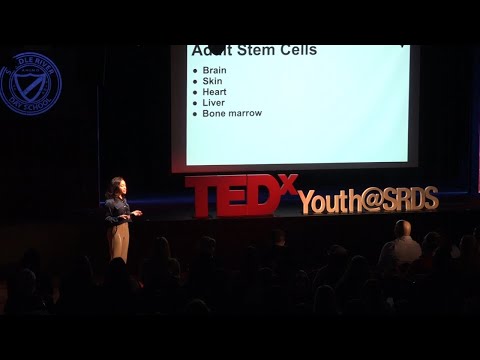
So, check this out. Imagine if you could regenerate your favorite pizza after a late-night binge. You know, just one moment it’s gone, and the next, poof! It’s back, hot and cheesy. Sounds like a dream, right?
Well, that’s kind of what pluripotent stem cells are all about. They’ve got this amazing superpower: they can turn into almost any type of cell in your body. Seriously! From heart to brain cells and everything in between—you name it!
This stuff is shaking things up in the world of regenerative medicine. We’re talking about potential cures for diseases that seemed impossible to tackle not too long ago. Just think about how life-changing that could be for so many people.
In the following chat, let’s dig into these remarkable little heroes and see what they’re all about!
Exploring the Applications of Pluripotent Stem Cells in Regenerative Medicine: Advancements and Future Prospects
So, let’s chat about pluripotent stem cells and their big role in regenerative medicine. These little guys are like the Swiss Army knives of biology. They can turn into almost any cell type in the body, which is pretty awesome when you think about it. It’s like having a magic potion that can fix almost anything!
What are pluripotent stem cells? Well, they come from embryos or can be made from adult cells through a process called reprogramming. Basically, they’re like a blank canvas that scientists can use to create any kind of specialized cell. Think muscle cells, nerve cells—basically all the good stuff your body needs to function properly.
Now, why does this matter? Imagine you have an injury or a disease that damages certain tissues. Pluripotent stem cells could potentially be turned into healthy versions of whatever’s damaged—say heart tissue for someone with heart disease or neurons for someone with spinal cord injuries. Pretty mind-blowing, right?
So what’s happening in this field? Researchers are exploring all sorts of ways to use these cells:
- Tissue regeneration: Scientists are working on growing organs in the lab using pluripotent stem cells! This means one day we could have lab-grown hearts or kidneys waiting for transplant.
- Drug testing: Instead of testing new drugs on animals (which can be iffy), researchers are using these cells to create human-like models for better testing. It’s much more ethical and gives more accurate results.
- Disease modeling: By turning these stem cells into specific types of diseased cells, scientists can understand how illnesses work and test new treatments more effectively.
You know, I once read about a kid who had a severe injury from an accident. His doctors used pluripotent stem cells in therapy to regenerate some damaged tissue. It was tricky and took time but just seeing him recover was incredible! It gives hope for those who otherwise might not have any options.
But let’s not sugarcoat it; there are hurdles too. Ethical concerns pop up because sourcing embryonic stem cells isn’t straightforward and raises big questions about consent and usage. And even with induced pluripotent stem cells (the reprogrammed kind), there’s still research to be done concerning safety and effectiveness before we see widespread clinical use.
Looking ahead, many scientists think we’ll get better at directing pluripotent stem cells to grow exactly what we need when we need it. Imagine personalized medicine where your own cells could heal your body! The future is bright, but it’ll take patience and lots of research.
In summary, pluripotent stem cells hold some real promise for regenerative medicine. They could change everything from how we treat diseases to organ transplants! But as exciting as that sounds, we’ve got some challenges ahead that require careful thought and lots of hard work.
Exploring the Creation and Medical Applications of Pluripotent Stem Cells in Modern Science
So, let’s talk about pluripotent stem cells and why they’re such a big deal in science today. You probably know that stem cells are those super unique cells that can turn into almost any type of cell in the body. Pluripotent ones, specifically, can become pretty much any cell type except for those needed to make a whole organism. It’s like they have this magical ability to adapt and transform.
Now, how do we even create these nifty pluripotent stem cells? Well, it all started with the groundbreaking work on embryonic stem cells. These are derived from early-stage embryos and have that amazing potential we just mentioned. But then, scientists figured out a way to reprogram regular skin cells into pluripotent stem cells. This process is called induced pluripotent stem cell (iPSC) technology. Isn’t that incredible? You take a regular cell, flip a few switches with certain genes, and poof—it’s like hitting the restart button!
In terms of medical applications, these cells are seriously paving the way for some really exciting therapies. Let’s break it down a bit:
- Tissue Regeneration: Imagine you’re dealing with some serious heart issues or diabetes. Scientists are working on using pluripotent stem cells to grow new heart muscle or insulin-producing cells.
- Drug Testing: Instead of testing new drugs on animals or humans right away, researchers can test them on lab-grown human tissues made from these stem cells. It’s way more ethical!
- Understanding Diseases: Pluripotent stem cells help scientists study diseases better by creating models of conditions like Parkinson’s or Alzheimer’s in the lab.
When I think about this stuff, I remember my friend who had a severe spinal injury after a car accident. The hope around regenerative medicine is palpable; it feels like real change could happen in the near future for people like him.
But let’s not ignore the challenges here! The whole idea of using human embryos raises ethical questions that are still hotly debated. Plus, there are concerns about safety when using these therapies—like making sure no tumors pop up from those rogue stem cells going wild.
In summary, pluripotent stem cells, whether derived from embryos or reprogrammed from skin cells, hold immense potential for advancing medicine and understanding human health better than ever before. Who knows what innovative solutions will come out of all this research down the line? It makes you think about how science keeps evolving—it’s pretty mind-blowing!
Exploring the Different Types of Stem Cells in Regenerative Medicine: A Comprehensive Guide
Regenerative medicine is like the superhero of the medical world. It’s all about using the body’s own natural repair mechanisms to heal injuries and diseases. And at the heart of this amazing field are **stem cells**. These little guys have a unique ability to develop into different types of cells in your body, which makes them crucial for restoring health.
So, let’s break it down a bit! There are a few main types of stem cells you might encounter: **embryonic**, **adult**, and **induced pluripotent** stem cells (iPSCs). Each has its own special powers.
Embryonic Stem Cells
These stem cells come from early-stage embryos. They’re considered **pluripotent**, which means they can turn into almost any type of cell in your body. Think about it: they have the potential to become heart cells, nerve cells, or even skin cells! Researchers are really jazzed about their possibilities in treating conditions like paralysis or diabetes.
Adult Stem Cells
On the other hand, adult stem cells are more like specialized workers. You’ve got them hanging out in various tissues throughout your body—like bone marrow and fat—ready to help repair damage. They’re not quite as flexible as embryonic ones; they usually turn into specific types of cells related to their origin. For example, blood stem cells can only become blood-related cells, but hey, that still counts for a lot when it comes to healing!
Induced Pluripotent Stem Cells (iPSCs)
Now here’s where things get super interesting! Scientists figured out how to take regular adult cells and reprogram them back into that cool pluripotent state—just like embryonic stem cells! This means they can potentially create any type of cell needed for treatment. Imagine taking a skin cell from someone and turning it into new heart tissue for them. That’s next-level innovation!
But what really gets me excited is the real-world impact these stem cell types could have on patients. Just think about my friend Sarah. She was in a serious car accident and ended up needing major recovery work done on her spinal cord due to nerve damage. With advancements in regenerative medicine using iPSCs, there’s hope she could regain movement someday! It gives me chills just thinking about it.
In terms of their role in treatment:
- Tissue repair: Stem cells can take on the job of fixing damaged tissues.
- Disease modeling: Researchers can study diseases using patient-specific iPSCs; it’s like looking at a movie version of what happens.
- Drug testing: New drugs can be tested on stem cell-derived tissues before going full throttle on clinical trials.
There’s still a whole lot we don’t know about how best to use these incredible tools safely and effectively. Ethical concerns also pop up when talking about embryonic stem cells since they come from embryos. But with such rapid advancements happening daily, I can’t help but feel hopeful!
So, when you think about regenerative medicine and its potential to change lives through different types of stem cells—well, it’s pretty exciting stuff! We’re uncovering so much just by exploring these tiny but mighty building blocks of life. Who knows what breakthroughs tomorrow will bring?
You know, pluripotent stem cells are pretty incredible when you think about it. These little guys have the unique ability to turn into pretty much any type of cell in the body. Imagine having a blank slate that could potentially heal damaged tissues or even grow organs. It’s like something out of a sci-fi movie, right?
A couple of months ago, I was chatting with a friend who works in medical research, and they told me about this exciting study where researchers were using pluripotent stem cells to help regenerate heart tissue after a heart attack. Just the thought that we might one day be able to fix something as serious as heart damage is astonishing! It’s weird to feel so much hope from such tiny cells.
But let’s break it down a bit. Pluripotent stem cells can come from two main sources: embryonic stem cells and induced pluripotent stem cells (iPSCs). The first type comes from embryos formed during the early stages of development, while iPSCs are adult cells that have been reprogrammed back into an embryonic-like state. Isn’t that wild? Like hitting rewind on your life!
Now, you might be wondering why this matters in regenerative medicine. The thing is, when our body gets hurt or sick, sometimes it just can’t heal itself properly. Whether it’s due to age or disease or whatever else, there’s only so much our body can do on its own. That’s where these pluripotent stem cells come into play—they could provide fresh new cells that actually know how to do the job.
Of course, everything isn’t all sunshine and rainbows here—there are still major challenges we need to tackle before we can use these in treatments regularly. There are concerns like ensuring these new cells don’t form tumors and figuring out how to control their growth effectively without any hiccups.
It’s kind of like being on the edge of something groundbreaking but still needing to work out some kinks before we dive into full treatment plans for people who really need them. But man, imagining a world where spinal cord injuries or degenerative diseases could be treated effectively just gives you chills! So yeah, while we’re not there yet, the journey of pluripotent stem cells feels super hopeful—like watching seeds sprout into something amazing over time!