You know that moment when you’re about to get an X-ray, and you suddenly wonder if you’ll glow in the dark? Just me? Anyway, radiography has come a long way since those early days of just snapping pics of bones.
Now, it’s like magic! Seriously, we’re talking about technology that reveals the insides of our bodies without doing any major surgery. And while it sounds super high-tech and complicated, it’s actually one of those things that makes modern medicine feel like something out of a sci-fi movie. Pretty cool, right?
So let’s chat about how these innovations in radiography are changing the game for doctors and patients alike. There’s so much going on behind the scenes that helps diagnose diseases or even just check if you’ve got a pesky broken bone. Buckle up; this is gonna be interesting!
The Role of Radiology in Modern Medicine: Advancements and Impact on Patient Care
Radiology is like the superhero of modern medicine, right? It’s the branch that helps doctors see inside your body without having to do any major surgery. With technologies like X-rays, MRIs, and CT scans, we can get a sneak peek at what’s happening under the surface. And trust me, this is a game changer for patient care.
First off, let’s talk about radiography innovations. One of the coolest advancements has been in digital radiography. This technology replaces traditional film with digital images. The benefits? Faster results and better image quality! You can go from taking an X-ray to seeing it on a screen in just moments. Imagine being able to get your diagnosis while you’re still in the exam room. That’s huge!
Another big player in this field is 3D imaging. Remember when you had to rely on flat pictures? Now with 3D imaging, doctors can look at organs and structures from all angles. For instance, they can create a detailed model of your heart or other organs—so if there’s a problem, they can see exactly where it is and how serious it might be.
Let’s not forget about interventional radiology. This part of radiology isn’t just about seeing; it’s also about doing! Doctors use imaging techniques to guide tiny instruments through blood vessels or tissues to treat things like tumors or blockages without major surgery. Say goodbye to long recovery times!
Now here’s an interesting fact: these advancements have also made addressing health disparities more achievable. With telehealth on the rise, rural patients now often have better access to specialized care through remote consultations. A doctor hundreds of miles away can review your scans and offer expert advice as if they were right there in the room with you.
Of course, it’s not all rainbows and sunshine; there are challenges too. Like radiation exposure—while modern techniques reduce this risk significantly compared to earlier methods, it still exists and needs careful management.
When illness strikes or an accident happens, having quick access to accurate diagnostic tools means everything for patient outcomes. Early detection often leads to better treatment options—a critical factor when dealing with serious conditions like cancer or heart disease.
In short, as we embrace these innovations in radiology—
—we’re giving patients hope and doctors powerful tools to enhance healthcare delivery. So next time you’re faced with those large machines in hospitals, remember they’re quite literally looking out for you!
Exploring the Latest Advances in Medical Imaging Technology: Innovations Shaping Modern Science
So, let’s talk about medical imaging technology. Pretty cool stuff, right? It’s like a superhero squad for doctors, helping them see inside our bodies without actually cutting us open! From radiography to MRI scans, these innovations are shaping how we diagnose and treat illnesses today.
First up is **radiography**. This isn’t just about taking pictures. It’s a key player in detecting fractures or even spotting tumors. You know those X-rays you see in movies where the person stands in front of a machine? Yeah, that’s radiography doing its thing. But it’s not just limited to traditional X-rays anymore.
Digital Radiography is where things get exciting. Unlike old-school methods that used film, digital systems convert X-ray images into digital files instantly. This means less radiation exposure for patients because the images can be taken faster and with lower doses! Seriously, it’s like upgrading from dial-up to high-speed internet—you get results way quicker.
Another hot topic is Computed Tomography (CT) scans. Ever heard of a 3D picture? A CT scan slices your body into thin pieces and creates images from various angles. It’s like piecing together a puzzle! This helps doctors visualize complex areas inside your body, making it easier to identify issues.
Now let me tell you about Magnetic Resonance Imaging (MRI), which has revolutionized how we look at soft tissues compared to CT scans or X-rays. MRIs use magnets and radio waves—no radiation involved! They’re super helpful for viewing the brain, spinal cord, and muscles without surgical procedures. Imagine being able to see your brain working hard while you’re trying to solve that crossword puzzle!
Don’t forget about Ultrasound technology. Most people think of this when they hear “baby photos,” but it’s so much more than that! Ultrasounds use sound waves to create images and are often used during pregnancies but also in checking organs like the heart or liver in real-time.
Then there are these funky things called PET scans (Positron Emission Tomography). They show how your organs function by tracking radioactive tracers injected into your body. This can help detect issues even before physical symptoms show up! Talk about being ahead of the game!
Finally, let’s not overlook artificial intelligence (AI) stepping into the scene—yup, AI! Modern imaging machines equipped with AI can analyze images and spot abnormalities faster than human eyes can blink sometimes! They help clinicians make quick decisions on treatment paths based on analyzed data.
In sum, medical imaging technology is incredibly vital today—it lets us peek inside our bodies with remarkable detail without causing harm. The advances we’re seeing now—from digital radiography all the way through AI-powered analysis—aren’t just improving diagnostics; they’re saving lives and shaping future treatments in ways we couldn’t have imagined before! How cool is that?
Revolutionizing Diagnostic Imaging: AI-Powered Radiology App Enhances Accuracy and Efficiency in Medical Science
Radiology is like the magic of medicine. You know, those images doctors look at to help diagnose what’s going on inside your body? Well, it’s pretty cool how tech has taken this field to a whole new level with AI-powered radiology apps. Let’s break down how they’re shaking things up.
First off, the idea behind using AI in radiology is all about improving accuracy. Traditional radiologists, while super skilled, can sometimes miss things. Imagine a situation where a small tumor gets overlooked in an X-ray. That’s a big deal! AI algorithms can analyze images way faster and point out areas that might need a closer look. It’s like having an extra set of eyes—always sharp and never tired, you know?
Then there’s the efficiency factor. With AI handling some of the grunt work of image analysis, radiologists can focus on interpreting the results rather than spending hours scrolling through countless images. Instead of being buried under paperwork or wading through digital files, they can spend more time with patients or refining their clinical decisions. It’s such a win-win!
Also, these smart systems learn over time. The more they analyze images, the better they get at spotting anomalies. Algorithms are trained on huge datasets filled with past scans and diagnoses—basically learning from thousands of examples! It’s kind of like going to school for them but without the stress of exams.
And let’s not forget about accessibility! In some areas, especially rural ones where medical specialists aren’t easily available, having an AI tool can mean that someone gets diagnosed quicker than ever before. Providers in these areas can send images to centralized systems where AI helps figure out what might be wrong.
Now here comes the emotional part: think about a parent who has been worried sick because their child has been experiencing symptoms but struggles to get answers from crowded clinics or long waits for scans. An AI-enhanced system could streamline that process—providing quicker results and peace of mind for families who really need it.
Yet, it isn’t all sunshine and rainbows! There are concerns too. Some worry about relying too much on technology while others highlight that human oversight is still crucial in interpreting results correctly—like deciding whether additional testing is needed even after an AI has spoken up.
In summary, AI-powered radiology apps have begun revolutionizing diagnostic imaging by making things faster and more accurate while also increasing access in underserved areas around the globe. The blend of human intuition and machine learning? It sounds like a recipe for something potentially life-changing in medicine—just imagine what might lie ahead!
Radiography, huh? It’s one of those things you don’t really think about until you actually need it. I remember the first time I had to get an X-ray. I was kind of nervous, sitting there in that cold room, waiting for the tech to come in. But then it hit me—this machine could see inside my body without even cutting me open! That’s like something out of a sci-fi movie.
So, what’s cool about radiography today is how much it’s evolved. We started with plain old X-rays back in the day, which were great for seeing bones but not much else. Now, thanks to innovations like CT scans and MRIs, we can get super detailed images of soft tissues, organs—you name it! It’s like going from looking at a blurry picture of a friend to seeing every single detail in high definition.
And let’s not forget digital radiography! With this tech, the images can be processed and analyzed much quicker than before. Imagine how fast a doctor can diagnose someone now compared to just a few decades ago. It really makes a difference when every second counts, right? Plus, using digital means less radiation exposure for patients—that’s definitely something to cheer about.
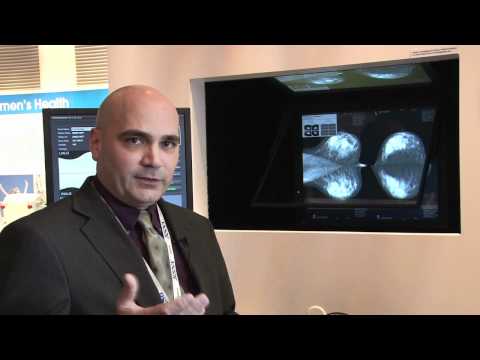
There are also new techniques emerging all the time. For instance, there’s this thing called 3D mammography that gives doctors a better look at breast tissue. It’s been shown to detect more cancers earlier than traditional methods! Can you believe that? Women everywhere can feel more secure knowing they have access to better screening options.
All these advancements seem magical on one level but on another level—it’s just folks getting creative with technology and science to help each other out. That human drive to improve things is pretty inspiring when you think about it.
In sum, radiography isn’t just about snapping pictures of bones anymore; it’s transformed into a vital tool that thoroughly enhances diagnosis and treatment methods across medicine. And if you think back on your own experiences with these technologies—whether it was an X-ray or an MRI—it’s neat realizing how far we’ve come together in healthcare innovation!