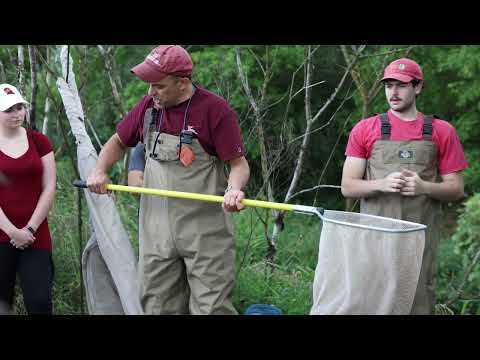
So, picture this: you’re on a hike in the woods, and suddenly, you spot a deer staring right at you. It’s like an Instagram moment but without the filter. You freeze, thinking about how rare it is to see wildlife so up close. But then it hits you—how fragile that moment is and how important it is to protect these amazing creatures.
You know, when it comes to wildlife conservation, it’s not just about saving the cuddly animals. It’s a whole web of life we’re trying to keep intact! Each animal plays its part, and each small action can cause ripples.
But here’s the thing: science has got our back. Seriously! Scientists are finding new ways to engage with communities and spread the word about why conservation matters. They’re digging deep into data while also rallying folks from all walks of life to join the cause.
So let’s chat about how this scientific engagement is changing the game for wildlife conservation. It’s not just numbers and studies; it’s about all of us rolling up our sleeves to make a difference! Ready?
Enhancing Wildlife Conservation: Innovative Scientific Engagement Strategies and Case Studies
Wildlife conservation is such a crucial topic, especially as we see more species heading towards extinction. You know, it really hits home when you think about those cute little critters we might lose forever. So how do we step up our game? Well, there are some innovative scientific engagement strategies out there that really make a difference.
First off, community involvement is key. Imagine local people being part of conservation efforts in their own backyards! In places like Kenya, communities work together to protect elephants. They create patrol teams to monitor movements and prevent poaching. As a result, not only do they safeguard these majestic animals, but they also boost local economies through eco-tourism.
Next up is the use of technology. Seriously, tech has become our best friend in wildlife conservation. For instance, GPS collars help track animal movements without invasive methods. When scientists put these collars on big cats or wolves, they can gather tons of data on their habitats and behaviors. It’s like giving them a smartphone—but for animals!
Then there’s the power of education. It’s amazing what happens when you create awareness among people about wildlife issues. Schools are incorporating wildlife conservation into their curricula more often now. Kids learn about the importance of biodiversity and why protecting natural habitats matters.
Now let’s talk about citizen science. This one’s super cool because it gives everyday people a chance to contribute to real scientific research! Programs allow folks to log sightings of birds or plants in their area using apps on their phones. Scientists then use that data for studies—like tracking migration patterns—which helps guide conservation efforts.
And remember those good old wildlife corridors? These are vital for allowing animals to safely move between habitats without hitting roads or fences. Countries like Canada and Thailand have successfully implemented these corridors for animals like bears and tigers respectively! It’s all about creating safe passages for nature’s wanderers.
Also noteworthy is engaging the business community. Companies can play a huge role by adopting sustainable practices and supporting conservation initiatives financially or through volunteering programs with employees.
In summary, enhancing wildlife conservation isn’t just about scientists in lab coats anymore; it’s about connecting with communities, leveraging technology, educating the next generation, involving citizens in scientific research, creating safe spaces for animals to roam freely, and getting businesses on board too. When everyone pitches in—wow! The impact can be immense!
Exploring Innovative Conservation Technology: Top Examples Advancing Environmental Science
So, conservation technology is this super exciting field that totally merges science and creativity to help protect our planet’s amazing wildlife. We live in a time where clever minds are using tech like never before to tackle environmental challenges. Let’s chat about some of the cool stuff happening in this space.
1. Drones
Drones are not just for capturing stunning aerial shots of nature; they’re actually revolutionizing wildlife conservation. Picture this: instead of trudging through dense forests for hours, researchers can fly drones and get a bird’s-eye view to monitor animal populations or check on habitats. They can assess forest health or even track changes in ecosystems without disturbing the critters living there. Super neat, huh?
2. Camera Traps
Then there are camera traps. These little devices are like your secret spy friends placed in the wild. They snap pictures whenever something moves by—like a curious bear or a passing deer. The data collected helps scientists understand animal behavior, population sizes, and even monitor rare species without needing to get too close. It’s non-invasive, which is always a win for wildlife!
3. Genetic Tools
You know how DNA is just like the instruction manual for living things? Well, genetic tools help conservationists use that manual to their advantage. For instance, they can analyze DNA from non-invasive samples (think fur or feathers left behind) to figure out where animals roam and how healthy their populations are. This kind of info is gold when planning effective conservation strategies.
4. Acoustic Monitoring
Ever thought about listening to nature? With acoustic monitoring technology, scientists can do just that! By setting up microphones in different habitats, they capture sounds from various species—like bird calls or frog croaks—over time. It can reveal changes in biodiversity and even help identify which species might be endangered based on their absence.
5. Remote Sensing
Now let’s talk about remote sensing. This fancy term basically means using satellites and aerial imagery to collect data about the Earth’s surface without being there physically! Researchers use this tech to monitor deforestation rates, habitat loss, and climate change effects on ecosystems from afar—super handy when you think about large-scale issues!
So yeah, these innovative technologies show us how interconnected science and nature can be! There was this moment I’ll never forget when a friend was showing me photos from camera traps he set up in the Amazon rainforest; we saw jaguars sneaking around at night! It hit me that thanks to these tools, we’re learning more about wildlife than ever before.
In essence, it’s all about combining tech with old-fashioned passion for preserving our planet’s beauty! And it gives me hope that we might actually make a difference if we keep pushing these boundaries together—what’s not to love about that?
Unveiling Conservation Technology: Revolutionizing Environmental Science and Biodiversity Preservation
Conservation technology is like the superhero of environmental science. It brings a whole new toolbox to the table for saving wildlife and protecting the planet’s biodiversity. Imagine being able to track animals in real-time, monitor ecosystems with drones, or use artificial intelligence to analyze data from remote camera traps. It’s pretty mind-blowing!
One of the coolest aspects of conservation tech is how it helps scientists gather data without disturbing animals. Like, using camera traps to snap pictures of wildlife as they move around their habitat provides insight into their behavior, diet, and reproduction without humans getting in their way. This kind of information is crucial for understanding what species need to survive and thrive.
And then there are drones. These flying gadgets can quickly survey large areas of land that might be tough or dangerous for people to reach. They can help identify illegal activities like poaching or deforestation, giving conservationists a heads-up before it’s too late. Basically, drones are like having eyes in the sky that help protect our wildlife.
When it comes to scientific engagement, it’s all about community involvement. More people participating means better protection for endangered species! Some projects have local communities using apps on their phones to record sightings of different species, making them active participants in conservation efforts. You know what’s great? It empowers locals and gives them a stake in preserving their own environment.
Another nifty tool is genomic sequencing. This fancy method helps scientists understand the genetic diversity within a species. Why does this matter? Well, healthy populations with plenty of genetic variation are less likely to go extinct because they can adapt better to changes in their environment. By examining DNA samples, researchers can identify which populations need urgent help and where efforts should be focused.
Now let’s talk about machine learning. Yup! This tech makes it easier for researchers to sift through mountains of data way faster than humans could ever manage. For instance, algorithms can analyze photos taken by camera traps and identify specific animals based on distinct markings or features. Talk about efficiency!
Also, let’s not forget about citizen science platforms! These platforms allow everyday folks like you and me to contribute valuable information just by going out into nature—whether that’s recording bird songs or spotting unique plants—which feeds into larger databases used by conservationists around the globe.
So there you have it! Conservation technology is revolutionizing how we approach environmental science and biodiversity preservation through cutting-edge tools and community involvement. Each innovative step not only keeps tabs on our planet but also actively engages people in its protection—kind of like turning everyone into a part-time superhero for wildlife!
So, wildlife conservation, huh? It’s a big deal, and you can see why. The planet’s a crazy place with all these incredible species that share space with us. Each one plays its part in the grand tapestry of life. But, honestly, it often feels like we’re just trying to put out fires instead of actually preventing them from starting.
Think back—maybe you remember visiting a zoo as a kid or watching some documentary on TV about animals in their natural habitats. Those moments can leave a mark. For me, I still recall being awestruck by the majesty of elephants and how they moved in herds. But then I learned about poaching and habitat destruction… It’s heartbreaking, right?
What really stands out to me is how science steps into this messy situation. You see, scientists aren’t just lab-coat-wearing folks holed up somewhere crunching numbers; they’re actual partners in this wildlife drama. They study animal behavior, track populations, and understand ecosystems in ways that help conservationists make informed decisions.
Like when scientists use GPS collars to monitor the movements of endangered species—it’s like giving these animals high-tech shoes! This info helps determine migration patterns or find out where they hang out most of the time. Imagine if someone did that for us; we’d probably be shocked at our own habits! But this data isn’t just for kicks; it informs protective measures and helps decide where to focus conservation efforts.
But there’s another layer here—community engagement. You can’t have scientific knowledge just floating around like an unclaimed balloon at a birthday party; you need people involved! Local communities often have deep-rooted connections with nature and know things no scientist could ever learn from afar. Encouraging them to participate not only helps in gathering information but also creates ownership over these conservation efforts.
For example, think about indigenous communities who’ve been managing their lands for generations. By combining modern science with traditional knowledge, you get this amazing fusion that can lead to successful conservation practices.
And let’s not overlook education! Engaging young minds through programs in schools can instill respect for nature early on—how great would it be if kids grew up knowing the value of biodiversity? That kind of awareness leads to real change down the line.
Surely there are challenges along the way—money issues, political obstacles—you name it. But when scientists and communities come together with shared goals, it sounds like magic happens! So yeah, advancing wildlife conservation through scientific engagement isn’t just a noble idea; it’s essential if we want future generations to experience the beauty of our world’s wild side.
In doing so, we not only save animals but also foster connection to nature—all while ensuring our planet keeps spinning beautifully onward.