So, picture this: you’re at a party, and someone starts talking about cirrhosis. You might think, “Who even talks about livers at a party?” But here’s the thing—our livers are like the unsung heroes of our bodies, quietly working behind the scenes.
Now, imagine if there was a way to peek inside and see how they’re doing without needing a magician’s wand. That’s where radiology steps in! Seriously, with all the cool advancements in imaging techniques, diagnosing issues like cirrhosis has become way more precise.
I mean, it’s not just about taking a pic of your liver; it’s like using superpowers to catch problems before they escalate. So let’s chat about how these advancements are changing the game for doctors and patients alike. You ready?
Innovative Technologies in Liver Cirrhosis Management: Latest Advances in Medical Science
So, let’s chat about liver cirrhosis and how some cool, new tech is helping doctors manage it better. It’s a serious condition where the liver gets all scarred up and can’t work like it should. And the bummer is, it often sneaks up on people without noticeable symptoms until it’s pretty advanced. But hold on—thanks to advancements in medical science, especially in radiology, things are looking up!
First off, you might be wondering what radiology even is. Well, it’s the branch of medicine that uses imaging techniques to see inside your body without having to cut you open! Think X-rays, MRIs, CT scans—those kinds of things. In cirrhosis management, these tools are super important for diagnosing and monitoring the disease.
One of the big players right now is **magnetic resonance elastography** (MRE). Okay, that sounds fancy! But basically, MRE is a non-invasive way to measure how stiff your liver is. When your liver gets damaged from cirrhosis, it becomes stiffer due to scar tissue. So with MRE, doctors can get a clearer picture of how much scarring has happened over time without needing biopsies all the time.
Then there’s **contrast-enhanced ultrasound**, or CEUS for short. This technique uses special contrast agents with ultrasound technology to help visualize blood flow in and around the liver. It helps determine if there are any complications related to cirrhosis early on—like potential tumors or blockages—without exposing patients to radiation.
Another cool thing happening is using **artificial intelligence** (AI) in radiology for diagnosing cirrhosis. Imagine a system that learns from countless images and can spot signs of liver damage faster than a human eye could ever do! AI can assist radiologists by highlighting areas that need closer inspection or offering second opinions based on patterns in data.
But wait—there’s more! There’s this method called **diffusion-weighted imaging** (DWI) which focuses on water movement within cells. In healthy tissues versus diseased tissues like those affected by cirrhosis, water behaves differently. So DWI gives an insightful look at how well cells are functioning.
Just picture yourself sitting in a doctor’s office; you’re nervous because you know you’ve had issues with your liver but haven’t really figured it out yet. The doc says they’ll do some scans—and thanks to these advanced technologies—they’ll get you results quickly and accurately. You leave feeling informed and hopeful instead of worried!
The amazing part about all these advancements is that they don’t just diagnose problems—they help track progression over time too! Regular scans can tell doctors how well treatments are working or if something new pops up as a complication so they can act fast.
In short, radiology isn’t just about cool images; it’s changing lives for people dealing with cirrhosis every day. Those innovative technologies provide more precise diagnoses and allow for tailored treatment plans—all while making patients feel more at ease during their medical journey.
So next time you hear about new tech in medicine—especially related to something as critical as liver health—remember: there’s hope rising not just from laboratories but from every scan done along the way! Keep an eye out; who knows what else is coming down the pipeline? Science never sleeps!
Essential Radiological Techniques for Diagnosing Cirrhosis: A Comprehensive Guide
Sure! Let’s take a closer look at how radiological techniques play a major role in diagnosing cirrhosis. It’s quite an important topic, especially considering how liver health affects so much of our overall well-being. So, here we go!
Cirrhosis is basically when the liver gets all scarred up and doesn’t work like it should anymore. This might be caused by things like alcohol abuse, hepatitis, or fatty liver disease. It’s sneaky and can creep up on you without clear symptoms at first. That’s why doctors use different imaging techniques to catch it early.
Ultrasound is often the first step in checking for cirrhosis. It’s non-invasive and uses sound waves to create images of your liver. The cool thing about ultrasound is it can show if the liver is enlarged or if there are any unusual nodules or growths on it. Plus, it helps measure the blood flow through your liver.
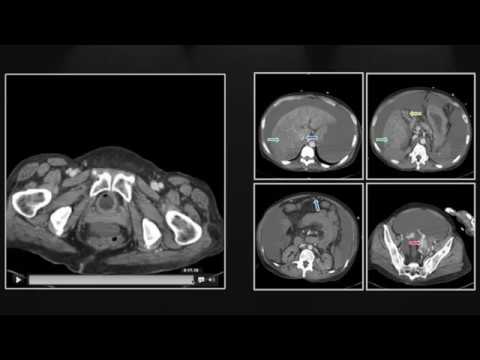
Another key technique is CT Scans, or computed tomography scans. They provide detailed cross-sectional images of your organs, kind of like slicing a loaf of bread to see what’s inside each slice! With cirrhosis, CT scans can reveal changes in liver texture and size that might indicate scarring. They also help spot potential complications, like tumors or fluid buildup.
Then you’ve got MRI, which stands for magnetic resonance imaging. This one uses magnets and radio waves instead of radiation to create super-clear images of the liver. An MRI can actually show different types of tissue within the liver way better than a CT scan could sometimes! That’s essential because certain features might help determine how advanced the cirrhosis is.
There’s also something called elastography. It sounds fancy, but it’s really just a special form of ultrasound that measures how stiff your liver is. When it’s damaged and scarred from cirrhosis, it becomes stiffer than a healthy one! Knowing this stiffness helps doctors figure out how bad the cirrhosis really is.
Sometimes doctors combine these techniques for even better results. That’s because each method has its strengths and weaknesses—using them together offers a more complete picture.
Also worth mentioning are blood tests. They’re not imaging techniques per se but often go hand-in-hand with radiological tests to help diagnose cirrhosis. Blood tests can check for signs such as elevated liver enzymes and other markers that suggest inflammation or damage.
The thing with diagnosing cirrhosis is it usually takes multiple steps—so expect some collaboration between these techniques! It’s not only about finding out whether you have cirrhosis; it’s also about figuring out what type you have, how severe it is, and what treatments might work best for you later on.
In short: radiological techniques are essential tools in identifying cirrhosis early on! With advancements continually pushing boundaries in this field, chances are they’re only going to get better over time. So staying tuned makes sense because who knows what tomorrow will bring when it comes to caring for our livers?
Evaluating the Accuracy of CT Scans in Diagnosing Liver Cirrhosis: A Comprehensive Analysis
When it comes to diagnosing liver cirrhosis, CT scans have become one of the go-to tools for many doctors. But how accurate are they really? Let’s break this down a bit.
Cirrhosis is basically the result of long-term liver damage. This can come from various factors like alcohol abuse, hepatitis, or fatty liver disease. Once a person gets cirrhosis, their liver gets all scarred up, which can lead to some serious health problems. So, catching it early is key.
CT scans, or computed tomography scans, are like fancy X-rays that take detailed pictures of your insides. They help doctors look at your liver structure and detect any abnormalities. Here are some important points about their accuracy:
- High Sensitivity: Studies show that CT scans have a high sensitivity for detecting significant fibrosis and cirrhosis. This means they can often pick up on major issues quite reliably.
- Specificity Issues: While they are good at spotting problems, CT scans can sometimes be less specific. This means they might indicate cirrhosis when there isn’t any or miss it altogether in some cases.
- Contrast Agents: Using contrast agents—substances that enhance the images—can improve accuracy significantly. They help differentiate between normal and scarred tissue more effectively.
- Combination with Other Tests: It’s not just about the CT scan alone! Doctors often pair it with blood tests and ultrasounds for a clearer picture of what’s happening in a patient’s liver.
You might be thinking: why not just rely on CT scans? Well, even with all their techy magic, there are instances where **other modalities** like MRIs or ultrasounds might provide better diagnostic clarity.
Anecdote time! I remember hearing about a guy named Tom who went to get checked out because he was feeling pretty lousy after years of heavy drinking. The doctor ordered a CT scan which showed signs suggesting severe cirrhosis. But when Tom was sent for an MRI just to confirm things—it turned out his liver was okay! The initial scare from the CT led him to make some big lifestyle changes that probably saved his life.
This story highlights something important: radiology isn’t perfect and sometimes results can be misleading. You definitely want to talk with your healthcare provider about all options available.
The bottom line? While CT scans are invaluable in diagnosing liver cirrhosis due to their high sensitivity, they’re not without their pitfalls. It’s crucial for doctors to consider multiple types of imaging along with patient history and symptoms when determining the best approach for diagnosing this condition.
So next time you hear someone mention CT scans and cirrhosis diagnostics, you’ll know there’s way more than meets the eye! Understanding these nuances helps us appreciate just how complicated our bodies—and medical technology—really are!
You know, when you think about radiology, it feels like this super complicated world of machines and images that most people don’t really get—myself included, honestly! But here’s the thing: advancements in radiology have been game-changers, especially when it comes to diagnosing things like cirrhosis.
I remember a family friend who went through some serious health issues because her cirrhosis was diagnosed quite late. It was a scary time for her and everyone around her. If only there had been better tools back then! These days though, we have some pretty amazing technologies at our fingertips that make diagnosing liver problems much easier and more accurate.
So first off, let’s chat about ultrasound. It’s one of those classic imaging techniques that has gotten a serious upgrade. Thanks to things like elastography—which measures the stiffness of your liver—doctors can now figure out how severe the cirrhosis is without doing much more than putting some gel on your belly and rolling a wand over it! Super non-invasive and way less daunting than you’d think!
Then you’ve got CT scans and MRIs, which also play a big part in this whole picture (no pun intended). They can give really detailed images of the liver and help spot changes that indicate cirrhosis. With technology evolving so quickly, modern CT scans are faster and provide higher quality images than ever before. So if someone’s in need of diagnosis, they’re getting an up-close look at what’s going on without endless waiting times.
And what really gets me is how all these advancements mean earlier detection. Early diagnosis is key when it comes to managing cirrhosis; it makes such a difference in treatment options down the line. Just imagine how many lives are being improved with these developments! There’s something heartening about knowing that medical professionals now have tools that allow them to intervene sooner rather than later.
But even with all this fancy tech, let’s not forget the human side of things. The relationship between patients and doctors is still crucial. A good doc will take all these fancy images but also listen to symptoms—like fatigue or swelling—and piece everything together holistically. That balance between high-tech imaging and good old-fashioned care? It’s everything.
So yeah, advancements in radiology for diagnosing cirrhosis are exciting not just for tech enthusiasts like me but for everyone who cares about healthcare outcomes—friends, family, or even someone you might know struggling with liver issues. There’s hope there now; hope that maybe we can catch these things earlier before they become heavy burdens to carry. How cool is that?