You know that feeling when your ear just won’t stop buzzing? Yeah, not fun. Now, imagine if that buzzing meant serious trouble—like mastoiditis. It can sound super scary, but hey, there’s good news.
These days, we’ve got some pretty incredible tools in radiology to figure out what’s going on in there. No more guessing games; it’s all about getting clear images and understanding what’s really happening with your ear and its surrounding areas.
So, if you’ve ever wondered how doctors actually see inside your skull without, you know, cracking it open, stick around! We’re diving into the cool advancements that make diagnosing mastoiditis easier and more accurate than ever before. Exciting stuff, right?
Gold Standard Imaging Techniques for Diagnosing Mastoiditis in Otolaryngology
Mastoiditis, a condition where the mastoid bone (the one behind your ear) gets infected, can be pretty serious. You see, it often happens after an ear infection. If it’s not treated quickly, it can lead to complications. That’s where imaging techniques come into play for diagnosis.
When we talk about imaging in otolaryngology, two main techniques are usually highlighted: **computed tomography (CT)** scans and **magnetic resonance imaging (MRI)**. Each has its own strengths that makes them valuable for diagnosing mastoiditis.
CT Scans are super quick and great for visualizing the bone structures in your skull. Pretty much all hospitals have CT machines, making them accessible for most patients. They can show you a detailed view of the mastoid air cells and reveal any fluid accumulation or bone destruction caused by infection.
- **Speed**: CT scans are really fast, often taking just a few minutes.
- **Bone Detail**: They excel at showing bone-related issues.
- **Fluid Detection**: They help spot fluid that indicates infection.
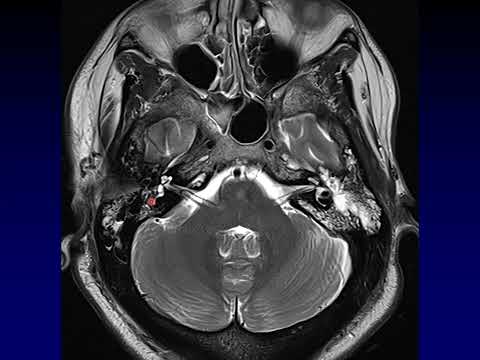
Now onto MRI. This one’s like the superhero of soft tissue imaging. It doesn’t use radiation and provides high-quality images of tissues around the mastoid area, which can be super helpful if you’re trying to spot complications that a CT might miss.
- **Soft Tissue Clarity**: MRIs are fantastic at showing inflammation or abscesses in surrounding tissues.
- **Radiation-Free**: Good news for kids and anyone needing multiple scans!
- **Detailed Imaging**: It gives a clearer picture when looking for complications.
It’s important to remember that these imaging techniques often work best together. Sometimes doctors will start with a CT scan—because of its speed—and then follow up with an MRI if they need more details about soft tissues or potential complications.
Here’s an anecdote for you… A friend of mine had to deal with repeated ear infections as a kid—like, seriously annoying ones. One day things got worse; he developed pain behind his ear and felt feverish. The doctors decided to run a CT scan, which helped them catch early signs of mastoiditis before it escalated too much! Imagine if they had only relied on physical exams—it might’ve ended very differently.
So yeah, when you’re looking at diagnosing mastoiditis in otolaryngology, you wanna think about both CT and MRI as your go-to tools in this gold-standard approach! They each bring something unique to the table, helping docs make informed decisions about treatment right away.
Exploring the Efficacy of CT Scans in Diagnosing Mastoiditis: A Scientific Perspective
So, let’s talk about **mastoiditis**. It’s this gnarly infection in the mastoid bone, which is located right behind your ear. When someone gets an ear infection that doesn’t get treated properly, it can spread to the mastoid and cause some serious issues. Now, here’s where **CT scans** come into play.
You see, CT scans—or computed tomography scans—are a big deal in the world of diagnosing all kinds of medical conditions. They give us a detailed image of what’s going on inside your body by putting together lots of X-ray images from different angles. For mastoiditis, they can be super helpful.
1. High Resolution: The thing with CT scans is that they offer high-resolution images. This means doctors can see the **structure** of the mastoid bone clearly. It helps them detect if there’s an infection or any kind of fluid buildup there.
2. Quick Assessment: Time is often of the essence when dealing with infections. CT scans are quick! Like, you can get in and out in just a few minutes. This rapidity helps doctors make decisions faster about whether you need treatment or not.
3. Better Visualization: Sometimes regular X-rays just don’t cut it for complex areas like behind your ear. A CT scan gives a better visual perspective and helps to show other related structures that might be affected too.
But let’s be real: no test is perfect! There are some things to consider as well.
4. Radiation Exposure: One downside is that CT scans use radiation, which isn’t ideal, especially for kids or pregnant women who are more sensitive to it.
5. Interpretation by Experts: You need skilled professionals to interpret those images accurately! A fuzzy image won’t do you any good if it’s misread by someone who doesn’t see what they should be looking for.
Now imagine a kid named Alex who had chronic ear infections as a toddler but his parents didn’t think much of it—just some antibiotics and he was good to go! But then one day he started complaining about pain behind his ear and everyone freaked out (as parents do). The doctor decided on a CT scan just to be safe, and voilà! It showed signs of mastoiditis that might have otherwise been missed with basic exams alone. Alex got treated right away and avoided complications down the road!
So yeah, while CT scans aren’t flawless, they definitely have their place in diagnosing conditions like mastoiditis effectively when used judiciously alongside clinical assessments by healthcare professionals.
Comprehensive Guide to Mastoiditis Diagnosis: Advances in Medical Science and Best Practices
Sure! Let’s talk about mastoiditis, an ear infection that can get pretty serious if it’s not caught in time. So, what is it? Basically, it’s an infection of the mastoid bone, which is located just behind your ear. If you ever had an earache that just wouldn’t go away, you might relate to what people with mastoiditis experience.
Now, diagnosing mastoiditis has come a long way thanks to advances in medical science, especially in radiology. This is huge because getting the right diagnosis quickly can lead to better treatment outcomes.
Symptoms are usually the first clue that something might be wrong. You might notice things like:
- Fever
- Swelling behind the ear
- Pain or tenderness around the ear
- Hearing loss
- Fluid draining from the ear
When someone comes into a clinic or hospital with these symptoms, doctors typically start with a physical exam and take a detailed history of any recent ear infections or illnesses.
After that, though, here’s where things get interesting: imaging studies come into play. And this is where radiology shows off its big advancements! One common method is **computed tomography (CT)** scans. They’re like supercharged X-rays that give doctors detailed views of your bones and soft tissues.
These CT scans can help doctors identify:
- The extent of the infection in the mastoid bone.
- Any potential abscesses (that’s when pus collects in one area).
- If there are any complications affecting surrounding areas.
You see, a CT scan can show changes in the air cells of the mastoid process much better than regular X-rays. This helps differentiate between simple cases of otitis media (just a fancy term for middle ear infection) and actual mastoiditis.
Another cool imaging tool that’s gaining traction is **magnetic resonance imaging (MRI)**. It uses magnets and radio waves to create images of organs and tissues inside your body. MRI doesn’t use ionizing radiation like CT does—so that’s a plus!
MRA (Magnetic Resonance Angiography) specifically helps visualize blood vessels around infected areas too! So if there are concerns about how the infection affects those structures, this will provide crucial information.
Treatment plans for diagnosed mastoiditis usually start with antibiotics—sometimes even intravenously if it’s severe. In cases where there are abscesses or when antibiotics aren’t cutting it alone, surgery might be necessary to drain fluid or remove infected tissue.
So basically, having access to advanced radiology techniques means quicker and more accurate diagnoses for patients with potential mastoiditis. This leads to earlier interventions and hopefully prevents complications down the road!
You know how sometimes you hear about someone who went through all sorts of trouble before getting diagnosed? Well, improved tools like CTs and MRIs help reduce those stories by catching issues sooner rather than later.
In summary, when it comes to diagnosing mastoiditis today:
- Early symptoms matter; pay attention!
- CT scans provide fine details.
- MRI, while more specialized, reveals critical aspects too.
- Treatment follows swiftly upon proper diagnosis!
So next time you hear about advancements in medical science regarding conditions like this one, remember: it could mean not just faster diagnoses but also healthier lives overall!
You know, when we think about advances in medical imaging, it’s really amazing how far we’ve come. Like, I remember reading about these super old-school ways of diagnosing stuff solely based on symptoms. Imagine that! Mastoiditis, an infection located in the mastoid bone just behind your ear, used to be pretty tricky to diagnose without fancy machines.
So just picture a doctor squinting at someone with ear pain, maybe trying to make a guess based on—what? A few pokes and prods? Crazy! But now, thanks to technology, things have gotten so much better. Radiology has taken center stage here. Thanks to CT scans and MRIs, diagnosing mastoiditis is way more precise. These scans give doctors clear images of the inner structures of your ear and surrounding areas. It’s like having x-ray vision!
I remember a friend from college had recurrent ear infections and thought nothing of it until they suddenly developed crazy pain in their ear. A quick trip to the hospital led to a CT scan that revealed mastoiditis; it was like they found a hidden treasure map leading straight to the problem area. If they had relied on symptoms alone? Who knows how much longer they would’ve suffered!
And the thing is, these imaging techniques aren’t just for confirming what doctors suspect—they can also help them figure out how severe the infection is or if there are any complications. This kind of detailed insight helps guide treatment decisions that could save someone from serious issues down the road.
It’s wild how advancements in radiology have transformed patient care in such an impactful way. Basically, technology’s not just about being cool; it’s literally saving lives and making healing faster and more accurate. Doesn’t that give you hope for what’s next in medicine?