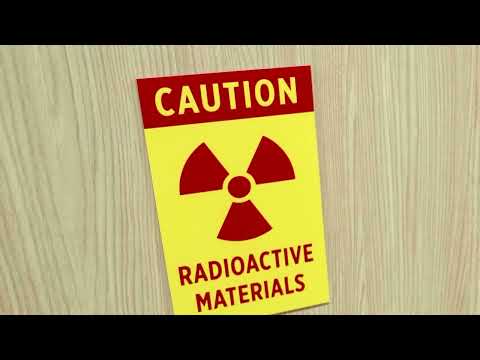
So, picture this: you walk into a hospital, and there’s this big machine that looks like it could teleport you to another galaxy. But nope! It’s just a fancy nuclear medicine scanner doing its thing. Crazy, right?
Nuclear medicine sounds pretty sci-fi, but it’s totally real and super important. It helps doctors see what’s going on inside our bodies in ways standard tests can’t. Think of it as a magical flashlight that shines on the hidden parts of you.
And here’s the cool part: advances in this field mean better care for patients all around. We’re talking about sharper images, faster scans—basically a doctor’s dream come true!
So let’s chat about how these breakthroughs are changing the game in radiology and patient care. You’ll want to know about the tech, the benefits, and maybe even some stories that’ll make you go “wow.” Sound good?
Exploring the Latest Advancements in Nuclear Medicine: Innovations and Discoveries in Science
Nuclear medicine is like that quiet superhero in the medical field, you know? It’s not always in the spotlight, but it does some truly astonishing things. Basically, it uses tiny amounts of radioactive materials to diagnose and treat diseases. That’s right! It’s not all about those big machines and fancy technology; there’s actual science behind it.
One of the coolest advancements recently has been in **PET scans**, or Positron Emission Tomography, which are super useful for detecting cancer. What they do is inject a small amount of a radioactive substance into your body. This substance binds to sugar cells—cancer cells love sugar! So when they light up on the scan, doctors get a good look at where the cancer might be hiding. This is huge because it lets doctors find cancers much earlier than before.
Another big deal in nuclear medicine is the development of **targeted radiotherapy**. This method allows clinicians to aim radiation directly at tumors while minimizing damage to surrounding healthy tissues. Imagine trying to hit a bullseye while blindfolded; that’s what traditional radiation therapy can feel like! Targeted forms are way more precise and effective. For example, some treatments now use radiolabeled antibodies—basically tiny homing missiles that go straight for cancer cells.
And let’s not forget about **theranostics**, which combines therapy with diagnostics in one neat package. It allows doctors to personalize treatment based on how a patient responds to specific radiopharmaceuticals. So instead of taking a one-size-fits-all approach, physicians can tailor therapies that work best for each person. It’s like getting a custom-made suit instead of something off the rack!
Also, there are exciting innovations in **radioactive tracers**—those little guys help monitor different organs and systems within your body without being invasive at all. Researchers are developing new tracers that can target areas like the brain and heart with incredible precision. For instance, imagine being able to visualize how your heart functions without any invasive procedures!
Plus, artificial intelligence (AI) is stepping into this arena too! Yep, AI helps analyze scans faster and more accurately than human eyes can sometimes manage (no offense!). This means quicker diagnosis and treatment planning for patients, which is super important when time is critical.
All these advancements aren’t just about technology; they fundamentally change how we approach patient care in nuclear medicine too. Doctors can provide less toxic therapies with better outcomes while also keeping patients more comfortable during their treatment journeys.
Nuclear medicine isn’t just staying current; it’s evolving rapidly! As research continues to grow, who knows what amazing discoveries will pop up next? So remember that quiet superhero next time you see those colorful images on a scan—it might just save someone’s life!
Exploring Recent Advancements in Radiology: Innovations Shaping the Future of Medical Imaging
Radiology has come a long way in the last few years. You might not think about it much, but cool stuff is happening in medical imaging that’s actually changing patient care for the better. There’s this big focus on enhancing how we visualize and understand what’s going on inside our bodies, you know?
First off, let’s chat about **nuclear medicine**. It’s like having super vision! Instead of just looking at your insides with X-rays or MRIs, nuclear medicine uses small amounts of radioactive materials to see how organs are functioning. Recently, advancements in this field mean we can track diseases even earlier than before. For instance, PET scans now allow doctors to observe metabolic processes in real-time. It’s fascinating how a simple injection can provide so much insight.
Another huge leap is in **radiomics**. This fancy term basically means extracting tons of data from images using advanced algorithms and machine learning techniques. By analyzing patterns that the human eye might miss, radiologists can make more accurate diagnoses and tailor treatments specifically for you! Imagine a computer helping decode an imaging puzzle that leads to personalized medicine—pretty neat!
Speaking of personalized medicine, let’s not forget about **AI technology**. This innovation is like having a super-smart assistant in the radiology room. AI can help identify abnormalities with greater accuracy and speed than ever before! If you think about it, this could mean faster diagnosis times for patients who are just anxious to know what’s wrong.
There are also some exciting developments around **3D imaging** and **virtual reality (VR)**. Can you believe they’re now able to create 3D representations of organs? This isn’t just for show; it helps surgeons plan their procedures better! You can actually walk around a 3D model of your heart or lungs before an operation, seeing exactly what needs to be done.
Then there’s something called **contrast agents** which have also seen improvements lately. These agents help to highlight specific areas in scans more clearly than ever before. Newer options cause fewer side effects while providing clearer images for doctors—talk about a win-win!
Let me share an anecdote here: I recently heard about a friend whose father was going through treatment for cancer. Because of these advancements—specifically with those cutting-edge PET scans—they caught changes early on that led to adjusting his treatment plan effectively. It was such a relief knowing he could access top-notch imaging technology right when he needed it most.
To tie it all together:
- Nuclear Medicine: Offers insights into organ function.
- Radiomics: Extracts valuable data from images.
- AI Technology: Enhances accuracy and speed.
- 3D Imaging: Aids surgical planning through detailed visualization.
- Advanced Contrast Agents: Help improve image clarity with fewer side effects.
These innovations aren’t just techy upgrades; they’re fundamentally changing the landscape of healthcare as we know it! The future looks bright—especially when it comes to diagnosing and treating illnesses earlier and more effectively than ever before!
The Future of Nuclear Medicine Technologists: Trends, Innovations, and Career Outlook in the Science Field
Nuclear medicine technologists are kind of the unsung heroes in the medical field, you know? They use radioactive materials to help diagnose and treat diseases. If you’re curious about where this career is heading, there are some exciting trends and innovations to chat about!
First off, technology is just zooming ahead. The growth of hybrid imaging systems, like PET/CT and SPECT/CT, means that nuclear medicine technologists need to be super skilled at operating these complex devices. These machines combine traditional imaging with nuclear techniques to give a more detailed view of what’s happening inside the body. Imagine being able to see both structure and function at the same time! It’s like having a sneak peek at a movie before it gets released.
Then there’s personalized medicine. This approach tailors treatment based on an individual’s unique genetic makeup. For nuclear medicine techs, this means understanding how different patients respond to certain radioactive materials. It’s a shift that makes their role even more crucial. They’re not just following protocols; they’re becoming more involved in crafting specific plans for patients.
And let’s talk about advancements in radiopharmaceuticals. These are compounds used in diagnosis or treatment that contain radioactive isotopes. Newer agents are constantly being developed that target diseases more effectively or have fewer side effects. This lets technologists provide better care while ensuring patient safety—a win-win!
- A rise in outpatient settings: More procedures are moving out of hospitals and into clinics or outpatient centers.
- The importance of continuing education: As technology evolves, so does the need for training and certification in new techniques and equipment.
- The impact of artificial intelligence (AI): AI is enhancing image analysis and can assist technologists by automating some tasks, freeing them up for more patient-centered activities.
You might be wondering about job outlooks too—good news here! The demand for nuclear medicine technologists is expected to grow in the next few years because of an aging population and advances in healthcare technology. Plus, as new treatments become available, there’s going to be an increasing need for skilled professionals who can keep up with these innovations.
In my opinion, it’s pretty inspiring! Just like when I was a kid playing with chemistry sets and dreaming big; today’s nuclear techs get to make real impacts on health outcomes every day! It really shows how science evolves across generations.
So basically: If you’re thinking about a future as a nuclear medicine technologist, jump right in! With ongoing advancements and innovations paving the way, it’s sure to be an exciting journey filled with opportunities. This field not only offers career stability but also lets you contribute meaningfully to healthcare!
Okay, so let’s chat about nuclear medicine radiology. Seriously, it’s a field that has evolved quite a bit over the years. You might not think about it often, but it plays a pretty big role in diagnosing and treating diseases. It’s kind of like your friendly neighborhood superhero but in the medical world.
Remember that time when you or someone close to you had to get an imaging test? Maybe it was a PET scan or something similar. The whole idea of injecting a tiny amount of radioactive material sounds a bit scary at first, right? But here’s the deal: that material helps doctors see what’s happening inside your body at a cellular level. It’s like giving them the ability to peek behind the curtain and understand what’s going on when other methods just don’t cut it.
Now, one breakthrough that really stands out is the development of more targeted radiopharmaceuticals. They’re like laser-focused missiles that seek out specific cells—like cancerous ones—while leaving healthy cells alone. This means less damage overall to your body while getting super precise information. Honestly, these advances can feel downright magical when you think about how far we’ve come from older methods.
But, on top of all this techy stuff, there’s also a human element here that really matters. Every patient who walks into a clinic is going through something personal and often stressful. I remember when my aunt went through treatment for cancer; she was scared and had tons of questions about every little thing. It wasn’t just about the science; it was about feeling cared for and understood by her doctors and nurses.
And this is where patient care ties into nuclear medicine radiology beautifully! Healthcare providers are being more aware of how important emotional support is alongside technical expertise. There are efforts now to provide clear communication, compassionate care, and even follow-up support after treatments or scans. It’s all part of helping patients feel like they’re not just another number in line but actual humans dealing with real struggles.
What I find interesting is how technology complements this care approach. With advancements in imaging software and data analysis techniques, healthcare professionals are better equipped to give personalized treatment plans based on each individual’s unique situation.
So yeah, as we take steps forward in nuclear medicine radiology, it’s cool to see both technology and humanity moving together hand-in-hand! The future looks bright (and less scary) for patients who need these kinds of services—a blend of innovation with some good old-fashioned empathy might just be what we all need sometimes!