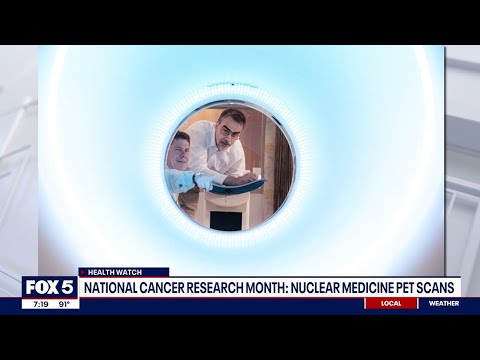
So, picture this: you walk into a hospital and see someone holding a glowing, sci-fi-looking machine. At first, you might think it’s part of a superhero movie set. But nope—it’s just nuclear medicine imaging at work! Seriously, though, this technology is way cooler than it sounds.
Imagine being able to see inside your body without slicing it open. That’s what nuclear medicine does! It’s like giving doctors superpowers to find out what’s going on inside you. And trust me, that makes a huge difference when it comes to diagnosing and treating illnesses.
These advancements aren’t just about fancy machines and colorful images; they’re all about making your care better. We’re talking earlier detections, more accurate treatments, and hey, less guesswork for doctors. Sounds pretty amazing, right?
Understanding the Principles of Nuclear Medicine Imaging in Modern Healthcare
Nuclear medicine imaging is a pretty fascinating area of modern healthcare. It’s all about using small amounts of radioactive materials, known as radiopharmaceuticals, to see what’s happening inside your body. Seriously, it’s like peeking behind the curtain and getting a glimpse at how your organs are functioning, and that can be super important for diagnosing various conditions.
So, what exactly are the **principles** behind this? Well, it mostly works on the idea of **radioactivity**. When these radiopharmaceuticals are introduced into your system—usually via injection—they emit gamma rays. Doctors then use special cameras to detect those rays and create detailed images of your internal organs.
One key aspect is that nuclear medicine can often provide more information than conventional imaging techniques like X-rays or MRIs. That’s because it shows both structure and function. For instance, while other scans might show the size of a tumor, nuclear imaging can reveal how active it is—is it growing aggressively or just sitting there quietly?
Here are some important things to know:
- Radionuclides: These are the radioactive materials used in nuclear medicine. Different ones target specific organs or tissues.
- Imaging Techniques: There are several methods like PET scans (Positron Emission Tomography) and SPECT (Single Photon Emission Computed Tomography). Each has its groove in diagnosing different conditions.
- Patient Safety: The amount of radiation exposure in nuclear medicine is usually very low and well within safe limits.
- Patient Preparation: Sometimes you gotta prepare before a scan—like fasting for a few hours—so that the images come out clearer.
A personal story hits home here; my uncle had been feeling off for months—no one could pinpoint why until he went for a PET scan. They found an issue with his metabolism that conventional tests missed! It was such a game-changer—it not only gave him clarity but also helped doctors devise the right treatment plan moving forward.
And speaking of treatment plans, some nuclear medicine techniques aren’t just about watching what’s going on; they also play roles in therapy. For example, certain radiopharmaceuticals can target and destroy cancer cells directly while sparing surrounding healthy tissues.
The future is looking bright too! Advances in technology mean we’re getting better resolution images with less radiation exposure over time. Researchers are working on making these techniques even more precise so patients receive tailored treatments rather than one-size-fits-all approaches.
So there you have it! Nuclear medicine imaging isn’t just some fancy tool; it’s a vital part of modern healthcare that helps diagnose issues early and accurately while paving paths for innovative treatments. It’s incredible how something so tiny can have such massive implications for health and recovery!
Exploring the Future of Nuclear Medicine: Innovations and Advancements in the Field of Science
Nuclear medicine is like a sci-fi superhero of the medical world. It uses tiny bits of radioactive material to help doctors see what’s happening inside our bodies. You know, visualize things like organs and tissues? This isn’t just cool in theory; it’s super useful for diagnosing diseases and mapping out treatments.
One of the major strides we’ve seen recently is in imaging technology. Traditional methods, while effective, often require patients to wait ages for results. But with new tools, like hybrid imaging systems, doctors can get clearer pictures faster. Imagine combining a PET scan and a CT scan into one! It’s like watching your favorite movie but with all the deleted scenes included—way more detail!
But wait, there’s more! Another advancement comes from using radiopharmaceuticals. These are drugs that contain radioactive particles which help diagnose or treat diseases. For instance, in cancers, certain radiopharmaceuticals can target tumors directly. It’s as if you’re sending little missiles right to where they need to go while minimizing damage to surrounding healthy tissue.
And here’s something even cooler: personalized medicine. This is where nuclear medicine really shines because it tailors treatments to the individual patient based on their unique biology. So, instead of a one-size-fits-all approach, doctors can look at how specific patients will react to different treatments. It’s kind of like choosing your outfit based on what fits you best—not everyone looks great in the same shirt!
Also important are advances in dosimetry, which is all about measuring how much radiation your body receives during these procedures. Better dosimetry means less exposure while still getting all that valuable information. It’s that sweet spot of being safe while ensuring effectiveness.
A big part of this progress comes from ongoing research and development efforts around the world. Lots of scientists are working tirelessly in labs trying out new compounds or techniques. For example, researchers are exploring newer isotopes for imaging—they’re looking for options that provide clearer pictures without increasing risks for patients.
Throughout this whole process, there are also ethical considerations we can’t ignore. As exciting as these advancements sound, they come with responsibilities regarding safety and regulations—ensuring patients understand what they’re going through and what benefits there are.
In summary, nuclear medicine is evolving rapidly thanks to innovations that enhance imaging capabilities and tailor treatments to individual needs. It’s changing how we view healthcare by making processes safer and more effective—and that’s something worth celebrating!
Advancements in Patient Radiation Protection: Navigating the Future of Medical Imaging
Well, let’s talk about something super important that you probably don’t think about too often: radiation protection in medical imaging. It’s amazing how far we’ve come in this field, and the advancements are like, really impressive.
Medical imaging has been a game changer for diagnosing and treating patients. Techniques like X-rays, CT scans, and PET scans help doctors see inside your body without needing to cut you open! But here’s the thing: these methods use radiation. Yeah, that same stuff that can be harmful if you’re exposed to too much of it. So, scientists and medical professionals have been working hard to ensure that patients stay safe while getting these necessary scans.
Now, one major advancement is the refinement of imaging techniques. For example, modern scanners are way better at focusing on just the area that needs to be examined. This means less exposure to surrounding tissues. Imagine a spotlight only shining on one specific spot instead of lighting up the whole room—that’s how these new machines work!
Then there’s the development of lower dose protocols. Basically, hospitals now have guidelines for using the least amount of radiation necessary to get clear images. Kind of like ordering a small coffee instead of a venti—you still get what you need without going overboard.
Another cool advancement is digital imaging technology. With digital images, radiologists can manipulate photos for better clarity without needing extra radiation shots. Think about how you can zoom in on a picture on your phone without losing quality; it’s kind of like that!
It doesn’t stop there though! The rise of machine learning and AI is shaking things up too. These technologies help analyze images more accurately and quickly than ever before. They might even spot things that human eyes might miss! And since they can process data faster, it means shorter wait times for patients—which is always a win!
Training programs for health professionals include more emphasis on radiation safety. They’re now learning not just how to operate machines but also how to minimize exposure risks during procedures. Imagine being trained not just as a pilot but also learning how to keep everyone safe while flying your airplane.
And let’s not forget about patient communication! More hospitals are focusing on explaining procedures clearly before any scan happens—like telling patients what’s happening with their bodies and what kind of radiation they’re dealing with. This transparency helps ease anxiety because let’s face it; nobody loves hearing “radiation.”
In short, advancements in patient radiation protection through new imaging techniques are paving the way for safer medical practices! It reminds me of when my uncle had an MRI years ago—it sounded scary back then with all those big machines making noises! But now? It’s impressive how far we’ve come.
We really are navigating into the future with better safety nets in place while still getting vital information about our health when we need it most! Pretty neat stuff happening out there in nuclear medicine imaging!
You know, when you think about medicine, it’s easy to visualize the classic stuff: doctors in white coats, stethoscopes hanging around their necks, and the typical check-up. But there’s this whole unseen world working behind the curtain—like nuclear medicine imaging. Seriously! It’s not just about radioactive materials and machines that beep; it’s about life-saving tools that help doctors peek inside our bodies without slicing us open.
I remember when my uncle was feeling pretty crummy and had to go get some scans done. I didn’t really get what was happening at first, but he kept saying how relieved he felt they could look inside him without any major procedures. That’s where nuclear medicine came into play! These advances allow for detailed images of organs and tissues using small amounts of radioactive materials—sort of like having a superpower that lets you see things that are normally hidden from view.
So, what’s all this new tech about? Well, think PET scans (positron emission tomography) or SPECT scans (single photon emission computed tomography). They’re really game-changers—helping doctors not just find diseases sooner but also monitor how effective treatments are. The way these scans work is like a high-tech treasure map for doctors. They show what’s going on in real-time. Like, imagine getting clarity on whether a treatment is working or not in just one scan; instead of waiting and watching things unfold over time.
And it doesn’t stop there! With all this cool tech coming out, we’re talking better accuracy and faster results—less waiting around stressing over what might be wrong, which is honestly such a relief for patients and families alike. Plus, new techniques are being developed that make these procedures even safer, with lower doses of radiation.
But here’s the kicker: as amazing as this all sounds, it’s still essential to remember we’re working with human lives here. It can feel overwhelming when you think about how much technology has evolved—all while trying to keep that human touch in patient care. Doctors have to balance being super smart with technology while still connecting with patients on a personal level.
Nuclear medicine imaging has paved this incredible road towards better health outcomes. It gives hope—not only through precise diagnosis but also through the knowledge that we’re taking steps toward more personalized care every day! I can’t help but feel optimistic about where things are headed next!