So, picture this: you’re at a party, and someone starts telling a wild story about their back pain. You think, “How bad can it be?” But then they launch into this epic tale of doctors, tests, and finally, an MRI that saved the day. It’s like a medical thriller unfolding in real life!
Now, what if I told you that MRIs are not just for flashy hospital drama? They’re actually changing the game when it comes to diagnosing discitis. Sounds serious, right? Well, it kinda is! But let’s make sense of it together.
Discitis might not roll off the tongue easily, but it’s super important. This infection can mess with your spine and cause some serious trouble if left unchecked. Luckily, with advances in MRI technology, docs can now catch it faster than ever before.
So grab a snack and settle in! We’re about to chat about how these cool machines work wonders for diagnosing discitis and why that matters.
Evaluating Discitis: The Role of MRI with and without Contrast in Diagnostic Imaging
Discitis, that’s a term you might not hear every day, right? Basically, it’s an infection of the intervertebral disc space in your spine. It can cause a whole bunch of problems, like severe back pain and fever. Now, diagnosing it accurately is super important because if it’s missed, things could escalate quickly—nobody wants that! So, let’s talk about how MRI plays a role in this scenario.
First off, Magnetic Resonance Imaging (MRI) is like the hero of diagnostic imaging when it comes to discitis. Why? Well, MRI is great at showing soft tissue structures like discs and nerves without using any radiation. That’s pretty cool! When you go for an MRI for suspected discitis, the tech will probably do two types: with contrast and without.
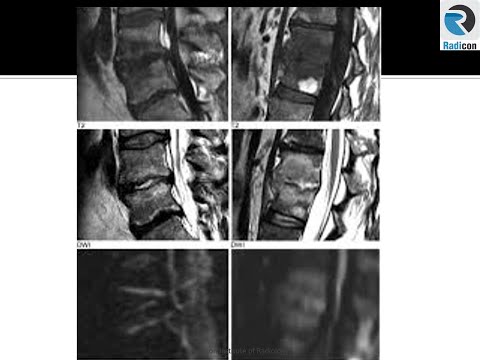
When we consider MRI without contrast, this technique can already reveal some nasty signs of discitis. You’d see things like disc degeneration or inflammation around the infected area. The MRI images can show you swelling or changes in the adjacent vertebrae too! But there are limits here; sometimes you can’t fully grasp how serious the infection really is.
This brings us to MRI with contrast. This method involves injecting a contrast agent into a vein before taking images. That stuff helps highlight areas that are inflamed or infected more clearly than just standard imaging would. Basically, it enhances visibility—like wearing glasses after squinting for too long! With contrast, doctors can spot fluid collections or even more subtle changes in the disc structure itself.
Now let’s break down why this could be crucial:
- Improved Diagnosis: Using contrast allows radiologists to differentiate between other conditions that might look similar on an MRI.
- Guiding Treatment: If they find abscesses or more severe damage to the vertebrae, treatment options could change drastically.
- Monitoring Progress: After treatment begins, follow-up MRIs with contrast can show whether things are improving or if further intervention is needed.
I remember someone I know who had recurring back pain for ages and thought it was just from lifting heavy boxes at work. Turns out he had undiagnosed discitis all along! Once they figured it out with an MRI (and that helpful contrast), they could start treating him properly—thankfully he’s doing much better now.
So all in all, both types of MRIs play their roles but having that extra boost from contrast makes a world of difference when evaluating something as sneaky as discitis. Knowing what you’re up against can seriously change your game plan for recovery—and nobody wants to mess around with infections in their spine!
Spondylodiscitis: Key MRI Findings and Their Implications in Clinical Diagnosis
You know, when you hear the word “spondylodiscitis,” it sounds pretty intense, right? But it’s basically a fancy term for inflammation of the discs and the vertebrae in your spine. This condition can lead to serious discomfort, and it might even cause complications if not caught early on. That’s where MRI comes into play! It’s like your spine’s personal superhero, ready to give a detailed view of what’s going on inside.
MRI Findings are crucial for diagnosing spondylodiscitis. When you undergo an MRI because of potential back pain or other symptoms, radiologists look for specific signs.
Here are some key findings:
- Disc Space Involvement: One of the first things they check is whether there’s any swelling or increased signal in the disc space itself. It could appear darker or brighter depending on what’s going on.
- Skeletal Changes: Look for any changes in the vertebral bodies surrounding the disc. They might show signs of edema (swelling), which can indicate infection.
- Abscess Formation: Sometimes, if spondylodiscitis is severe, pus-filled abscesses can form. An MRI can reveal these pockets of fluid that need urgent attention.
The implications of these findings are huge! If you see that increased signal intensity in the discs, well, that’s a big red flag for infection. Imagining sitting in a waiting room while your doctor explains that they found something there—yikes!
Also, keep in mind that timing is critical here. The sooner we spot these signs through MRI, the quicker treatment can begin. Often, antibiotics or even surgery might be necessary to resolve severe cases before things get out of hand.
If we think about how traditional imaging methods like X-rays could miss a lot of subtle details compared to MRIs—it’s striking! I remember when my friend had back pain; an X-ray didn’t show anything significant at first. But then an MRI revealed some serious issues lurking beneath the surface!
In sum, when it comes to spondylodiscitis and its pesky partner discitis, MRIs are invaluable tools that help identify infections swiftly and accurately. They shine a light on changes that need immediate addressing—all without needing any invasive procedures at first! So yeah, basically having this technology available can save people from unnecessary suffering and complicated surgeries down the line.
Optimizing MRI Protocols for Accurate Diagnosis of Spondylodiscitis: A Comprehensive Guide
Getting a good grasp on MRI protocols for diagnosing spondylodiscitis is kind of like fine-tuning an instrument—every little adjustment can make a big difference in what you hear. So, if you’ve got a patient with back pain and potential spinal issues, knowing how to optimize those MRI scans is super important.
Spondylodiscitis is basically an infection that affects the discs in your spine and the vertebrae around them. It can be pretty serious, which makes accurate diagnosis crucial. When it comes to MRI scans, there’s no one-size-fits-all approach. Instead, there are various parameters and techniques you can tweak to enhance image quality and diagnostic accuracy.
- Sequence Selection: Choose the right sequences! T1-weighted and T2-weighted images are essential. T1 helps show anatomy, while T2 highlights fluid, which is key for spotting infections.
- Contrast Agents: Using a gadolinium-based contrast agent can help delineate infected areas from surrounding tissues. It really lights things up and improves visibility.
- Slice Thickness: Thinner slices (like less than 3 mm) allow for better detail in visualization of what’s going on inside those intervertebral discs.
- Field Strength: Higher field strengths (3T vs 1.5T) generally provide better resolution. More powerful magnets yield clearer images but also come with more artifacts—so it’s kind of a balancing act!
- Differential Diagnosis: Understand how to differentiate between spondylodiscitis and other conditions like tumors or abscesses—this can guide your protocol adjustments too!
A personal story: I once had a friend who experienced terrifying back pain that turned out to be spondylodiscitis after a few misdiagnoses. Watching him go through that was eye-opening; it really underscored just how critical accurate imaging is in medical settings.
You also want to pay attention to patient positioning during the scan because even small shifts can change how stuff looks on images. And remember: communication between radiologists and referring physicians is super important! They need to discuss clinical history so that the MRI protocols are tailored specifically for each patient’s case.
The latest advancements in MRI technology have made incredible strides in this area. For example, diffusion-weighted imaging (DWI) has become significant as it can detect early changes due to infections before structural changes even occur.
In summary, optimizing MRI protocols involves understanding various imaging sequences, using contrast agents wisely, adjusting slices carefully, knowing when higher field strengths are beneficial, and always keeping differential diagnoses in mind. By doing all this right, you’re not just improving images—you’re potentially saving lives by getting the diagnosis correct!
You know, MRI technology has come a long way over the years. It’s pretty amazing how it can help doctors see what’s really going on inside our bodies without even needing to make a single cut. One of the areas where MRI has made some cool advancements is in diagnosing something called discitis, which is basically an infection of the intervertebral discs in your spine.
A little while back, my friend was dealing with back pain that just wouldn’t go away. At first, we thought it was just one of those things—you know, maybe too much time hunched over typing or something like that. But when she finally went to see a doctor, they mentioned discitis as a possibility. Honestly, I didn’t even know what that was! Turns out, it can be pretty serious if not caught early.
Now, here’s where MRI comes into play. It can provide detailed images of the spine and help detect swelling or inflammation that you wouldn’t see with regular X-rays. The cool thing about advanced MRIs is that they often use special techniques like diffusion-weighted imaging or contrast agents to spot issues more clearly. So instead of just guessing if someone has discitis based on symptoms alone—like pain and fever—doctors can get right to the heart of it with those images.
What’s wild is how this seems to change patient outcomes dramatically. Early diagnosis from an MRI means treatment can start sooner, which could involve antibiotics or even surgery in severe cases. You sort of realize that a simple scan could mean the difference between chronic pain and a full recovery down the line.
But there’s also this emotional side to all of it, isn’t there? Like when you hear the word “infection” related to your spine, it makes your heart drop a little bit! With advancements in tech like MRI making things clearer for doctors, you can’t help but feel hopeful. It creates this connection between technology and health where we’re not just blindly treating symptoms anymore; we’re actually understanding what’s happening inside us.
In short, yeah—MRI advancements are changing how we diagnose conditions like discitis for sure! And while medical jargon can be overwhelming sometimes (seriously), knowing that these tools are out there working for us gives you a bit of peace in those worrying times when something’s just not right with your body.