Picture this: You’re at a dinner party, and someone bursts out, “Did you know gallbladders can be misbehaving little troublemakers?” Laughter erupts, but they’re not far off. Chronic cholecystitis is a real thing, and it’s sneaky.
So, what does that even mean? Well, it’s like when your gallbladder decides to go on strike. You feel bloated or have that annoying upper belly pain, but it doesn’t scream for attention like a broken leg would.
You might wonder how anyone figures this stuff out! That’s where radiology steps in – yes, the fancy imaging techniques that help us peek inside our bodies. They’re like having X-ray vision but way cooler!
Today, we’re diving into how these rad advances are changing the game for diagnosing this pesky condition. Buckle up; it might just make your next dinner party chat a bit more interesting!
Comparative Analysis of Imaging Techniques for Accurate Diagnosis of Cholecystitis
Sure! Let’s chat about the different imaging techniques used to diagnose cholecystitis, particularly chronic cases. It’s one of those topics that may seem heavy, but let’s break it down in a friendly way.
Cholecystitis is basically when your gallbladder gets inflamed. This can happen for various reasons, with gallstones being a common culprit. When doctors suspect cholecystitis, they need reliable imaging to confirm the diagnosis and understand what’s going on inside. So, what kinds of imaging are out there?
First off, there’s **ultrasound**. It’s often the first go-to method because it’s non-invasive and quick. The ultrasound uses sound waves to create images of your organs. If you’ve ever seen a baby scan picture—same idea! In cases of cholecystitis, the ultrasound can show if the gallbladder is swollen or if there are stones blocking it.
However, sometimes an ultrasound alone isn’t enough. That’s where **CT scans** come in handy. A CT scan provides a more detailed view by taking multiple X-ray images from different angles and combining them into one slice of your insides—pretty neat! It’s particularly useful for spotting complications like abscesses or even pancreatitis that might arise from severe cholecystitis.
Then there’s **MRI**, which stands for Magnetic Resonance Imaging. This one uses magnets and radio waves to create pretty awesome images without any radiation involved—bonus points for safety! MRIs aren’t typically the first choice for diagnosing cholecystitis due to cost and availability issues but can be super helpful in complicated cases or if other methods aren’t conclusive.
Now, let’s not forget about **HIDA scans** (Hepatobiliary Iminodiacetic Acid). This technique involves injecting a small amount of radioactive material that makes its way into the gallbladder if everything’s working right—which helps show if there’s inflammation or blockage. It sounds fancy but provides really useful info about how well your gallbladder is functioning.
So why does it matter? Well, accurate diagnosis is crucial because treatment can vary significantly depending on the severity and underlying cause of the condition. For example:
- If it’s just mild inflammation without stones, doctors might opt for medication.
- But if there are stones causing complications, surgery could be necessary.
Each imaging technique has its pros and cons; they complement each other rather than replace one another. Choosing which one to use often depends on individual patient factors such as age, symptoms, previous history with gallbladder issues, and even if they have allergies to certain dyes used in some tests.
In conclusion, no matter which technique gets used, having a clear picture helps guide treatment decisions effectively so patients can get back to feeling like themselves again sooner rather than later! I hope this helps you get a better sense of how these imaging techniques stack up against each other when it comes to diagnosing chronic cholecystitis!
Comprehensive Approaches to Chronic Cholecystitis Treatment: Evidence-Based Strategies in Gastroenterology
Chronic cholecystitis is, basically, the long-term inflammation of the gallbladder. This little pouch under your liver helps with digestion by storing bile. When something goes wrong—like recurring gallstones or bile duct issues—you might end up feeling pretty rough. But hang tight; there are some well-researched approaches to treat this condition that you should know about.
One of the primary strategies involves the use of medications. Non-steroidal anti-inflammatory drugs (NSAIDs) can help reduce pain and inflammation. Think of ibuprofen or naproxen; they’re common meds that can lighten your symptoms a bit. Sometimes, doctors may prescribe antibiotics if there’s a bacterial infection involved.
There’s also the option of dietary modifications. Eating foods low in fat can be super helpful since high-fat meals might trigger gallbladder attacks. Imagine biting into a greasy burger after months of being careful; it can feel like a punch to your gut! So, focusing on whole grains, vegetables, and lean proteins becomes essential.
Surgical options are pretty big players in treating chronic cholecystitis too. A lot of times, doctors recommend cholecystectomy, which is just a fancy word for gallbladder removal. It’s done laparoscopically these days, meaning you get tiny cuts and quicker recovery times—like magic! This procedure helps prevent future attacks by simply taking out the source of the problem.
Now let’s chat about some snazzy advances in radiology that help diagnose chronic cholecystitis better than ever before! Imaging techniques like ultrasound are often first on the scene because they’re quick and non-invasive. An ultrasound can spot gallstones or swelling without making you feel uncomfortable—easy peasy!
But what’s really cutting-edge? Well, magnetic resonance cholangiopancreatography (MRCP) is becoming more popular too. It’s a type of MRI that gives detailed views of your bile ducts without needing any invasive procedures like ERCP does. It paints an incredibly clear picture so doctors can see what’s going on with your gallbladder.
Some experts even suggest using computed tomography (CT) scans for diagnosing complicated cases because they provide sharp images that reveal any hidden issues or complications linked to chronic cholecystitis. It’s like having X-ray vision for detecting problems!
In summary, treatments for chronic cholecystitis vary from medications and dietary changes to surgical options like cholecystectomy. And thanks to advanced imaging techniques such as ultrasound, MRCP, and CT scans, diagnosing it has never been clearer or easier. So if you ever find yourself dealing with stomach troubles tied to this condition, you now have an idea of what modern medicine offers!
Distinguishing Acute and Chronic Cholecystitis: A Comprehensive Analysis of Ultrasound Imaging Techniques
Cholecystitis sounds like a mouthful, right? But it simply refers to the inflammation of the gallbladder. Now, there are two main flavors: **acute** and **chronic**. Knowing how to tell them apart is super important for treatment, and that’s where ultrasound imaging steps in.
So let’s break it down.
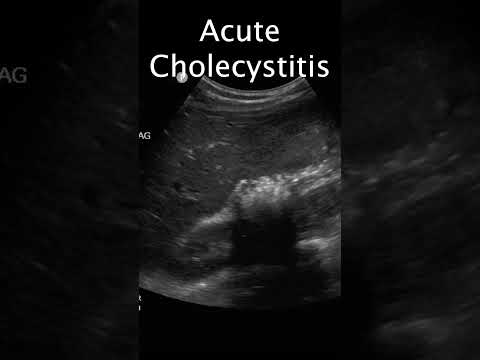
Acute cholecystitis usually happens suddenly. You might feel severe pain in the upper right part of your belly, often accompanied by nausea or even a fever. It’s like when you step into a cold pool—shocking and intense! When doctors suspect acute cholecystitis, they use ultrasound to check for swelling in the gallbladder wall or fluid around it.
On the flip side, chronic cholecystitis is more of a slow burner. You could have it for years without even knowing! Symptoms might not be as severe; maybe you just feel discomfort after meals. Imagine feeling just a bit bloated after eating a big meal—kind of annoying but not alarming.
When you throw ultrasound imaging into the mix, things get interesting! For **acute cholecystitis**, an ultrasound can clearly show:
- The gallbladder appearing swollen.
- Fluid around the gallbladder.
- Thickening of the gallbladder wall.
These images help doctors pinpoint what’s going on quickly because treatment needs to be prompt!
Now, with chronic cholecystitis, it’s a bit trickier. Here’s what you might find on an ultrasound:
- A shrunken or contracted gallbladder.
- Possible presence of gallstones—even if they’re silent!
- Poor function of the gallbladder which might show up via different imaging techniques.
Sometimes it’s hard to catch this chronic condition early because its signs can be subtle. Imagine missing that slight itch that turns into an entire skin rash—you don’t notice until it’s already pretty uncomfortable.
Differences in these two types also reflect in how health practitioners approach them. Acute cases often require immediate intervention—like surgery—while chronic cases may need management strategies like diet changes or medications.
In short, distinguishing between acute and chronic cholecystitis using ultrasound imaging isn’t just about looking at pictures; it’s about understanding what those pictures are trying to tell us about our bodies! So next time you hear “cholecystitis,” you’ll know there’s more than meets the eye—and sometimes all it takes is a little sound waves magic!
You know, when it comes to diagnosing chronic cholecystitis, the world of radiology has really stepped up its game. I mean, not that long ago, a doctor would typically rely on a physical exam and maybe some good old-fashioned ultrasounds. But nowadays? It’s like we’re in the future or something!
One time, my friend had this terrible pain in her upper abdomen. She thought it was just something she ate. After a couple of weeks of discomfort, she finally went to the doctor. They did an ultrasound and found her gallbladder was inflamed—chronic cholecystitis. And she told me about how they then used CT scans and MRIs to get a clearer picture of what was going on inside her body. Pretty wild, right? It’s amazing how much these tools can reveal.
Basically, when you’re dealing with chronic cholecystitis, clinicians need to see beyond just the surface symptoms. Here’s where advances in imaging come in clutch—like in CT scans that give a detailed view of the gallbladder and surrounding tissues. Even MRI can play a key role by showcasing any complications that could arise from the condition.
But it’s not just about fancy machines! These new techniques help doctors make quicker decisions about treatment options. They can spot gallstones or any potential infections more accurately now than ever before. Sometimes, they even use contrast agents to highlight certain areas—like shining a light on hidden problems!
And while all this tech sounds great, it’s also super important for patients to understand what’s going on with their own health; tracking those symptoms really makes a difference too! You know? The whole process isn’t just about machines working their magic; it’s also about communication between patients and doctors.
So yeah, technology has come so far in helping with chronic cholecystitis diagnosis! It kind of gives you hope for better outcomes when people are faced with such health issues. With radiology advancing like this, one might think we’re getting closer each day to understanding our bodies more deeply—and isn’t that something worth celebrating?