So, picture this: you’re just chilling in your living room, and your heart decides to pull a fast one on you. It’s like that friend who shows up late to the party, but instead of bringing snacks, they bring a bunch of stress. That’s kind of what chronic heart failure feels like.
It’s not just an old folks’ issue either. This stuff can hit anyone, anytime. I mean, seriously, it’s like the villain in a movie that doesn’t care how old you are or what your plans are.
Now, before you start imagining it as some scary monster under your bed, let’s break it down a bit! Heart failure isn’t about your heart stopping; it’s more like your heart’s trying its best but just can’t keep up with all the demands we throw at it.
You might be wondering what’s really going on inside there—why does this happen? What’s stirred the pot? Well, that’s where we get into the nitty-gritty—the juicy stuff—about pathophysiology. So grab a coffee or tea and let’s unravel this little mystery together!
Long-Term Survival with Heart Failure: Case Studies and Scientific Insights on 20-Year Experiences
Long-term survival with heart failure is a pretty intense journey, and it’s not just about living with a diagnosis. It’s more like navigating through a maze that keeps changing. Heart failure doesn’t mean your heart stops; it just means it’s not pumping as effectively as it should, which can lead to all sorts of complications.
First off, let’s talk about the pathophysiology of chronic heart failure. You see, your heart relies on a bunch of complex mechanisms to work properly. When things go awry—like due to coronary artery disease, high blood pressure, or even diabetes—the heart struggles. Over time, this can lead to an altered structure and function of the heart muscle itself.
Now, when it comes to real-life cases over two decades, we see some truly remarkable stories. Some patients have lived for 20 years or more after their diagnosis! So what’s the secret sauce? Here are some key points:
- Personalized treatment plans: Each person’s heart failure is unique. Tailoring treatments—medications like ACE inhibitors and beta-blockers can make a huge difference.
- Regular monitoring: Frequent check-ups help catch problems before they snowball. Seriously, keeping tabs on symptoms is crucial.
- Lifestyle changes: Eating right and exercising might sound cliché but trust me—it works! Patients who adopt these habits tend to thrive longer.
- Support systems: Emotional support from family and friends can’t be underestimated. That sense of community helps carry you through those tougher days.
I remember reading about a patient named John who was diagnosed with heart failure at 60. He felt utterly defeated at first; his life turned upside down overnight! But after attending support groups and working closely with his doctors, he embraced changes like walking daily and cutting down on sodium in his diet—and guess what? Twenty years later, he’s not just surviving; he’s enjoying his retirement traveling around the country! It’s so inspiring.
Research backs this up too: studies show that patients who engage in self-care practices often experience fewer hospitalizations and improved quality of life over time. It really makes you think about how much influence lifestyle choices have.
In terms of scientific understanding, researchers are continuously digging deeper into the mechanisms behind chronic heart failure. They’re exploring how inflammation affects the heart long-term or how neurohormonal activation (fancy way of saying your body’s stress response) plays a role in worsening symptoms.
So you see, long-term survival in heart failure isn’t just luck—it involves smart medical strategies backed by scientific insights along with lifestyle tweaks that really matter! The key takeaway here? It’s all connected: mind, body, support… everything counts when navigating this complex journey together!
Understanding these facets gives both patients and healthcare providers hope for better outcomes in the long run—you know?
Understanding CHF Pathophysiology: A Simplified Guide for Beginners in Medical Science
Chronic Heart Failure (CHF) is a big deal in the world of health. It’s when your heart just can’t pump blood like it used to, which means less oxygen and nutrients get to your body. Kinda scary, right? But don’t worry; I’m gonna break it down for you.
To understand the pathophysiology of CHF, let’s dig into some background. The heart has four chambers: two atria and two ventricles. When everything’s working right, blood flows smoothly from one part to another. However, with CHF, things start going wrong.
When the heart gets weaker over time—because of things like **high blood pressure** or **coronary artery disease**—it can’t pump efficiently anymore. Imagine trying to blow up a balloon that has a hole in it. You’re putting in air (or blood, in this case), but it just won’t hold.
One thing that happens is called “remodeling.” This is when the heart changes shape or size because it’s working harder than normal. It’s sort of like when you lift weights: your muscles grow because they’re stressed. But with the heart, this isn’t always good news.
Now let’s talk about some terms that pop up a lot:
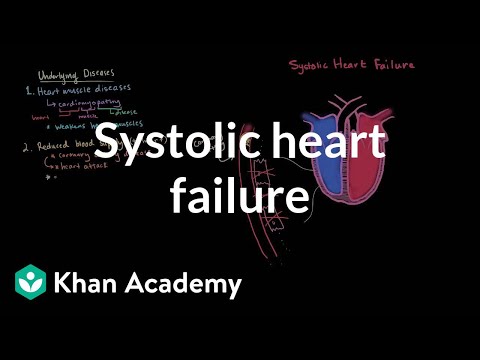
- Systolic dysfunction – This is when the heart can’t contract well enough to pump out blood.
- Diastolic dysfunction – Here, the heart struggles to fill up with blood during relaxation.
- Neurohormonal activation – When things go south in your heart, your body starts releasing hormones like adrenaline and norepinephrine to compensate.
But here’s the catch: while these hormones are trying to help at first by boosting your heart rate and increasing blood pressure, over time they can actually make things worse! It’s like putting on more weight while trying to lift—that heavy load can crush you instead.
We also have fluid retention going on due to these hormonal changes. Your kidneys might think you need more fluids because they’re confused by all this hormonal action. That leads to swelling (edema) in places like your legs and abdomen. You might even feel short of breath because there’s not enough room for air due to fluid around your lungs.
So okay, CHF isn’t just one problem; it’s like a chain reaction where various systems get involved and make each other worse—almost like a bad game of dominoes!
In summary:
– The heart becomes less effective due to conditions like high blood pressure.
– It undergoes remodeling but not in a good way.
– Systolic and diastolic dysfunction complicate things further.
– Hormones that should help end up causing more problems.
Essentially, chronic heart failure isn’t just about a weak pump; it’s an entire cycle where multiple factors come together and create chaos inside our bodies.
If you ever find yourself feeling confused about how all these pieces fit together—just know that you’re not alone! The human body is super complex but understanding it bit by bit makes it way less intimidating. Keep asking questions and exploring; after all, learning about our health is important!
Recent Advances in Heart Failure Research: Insights and Implications for Treatment
Heart failure is a big deal. It’s one of those things that can sneak up on you, and it’s not just for older folks anymore. Recent research has been uncovering new insights into how the heart fails and how we can better tackle it. That’s pretty exciting, right?
What’s interesting is that scientists are digging deeper into the **pathophysiology** of chronic heart failure. Basically, they’re trying to figure out what goes wrong at a cellular and molecular level when your heart struggles to pump blood. You know, like when you’re going up a flight of stairs and you feel like your heart’s about to burst? Well, your heart isn’t just weak; it’s actually facing some tricky changes inside.
For instance, one major discovery involves the role of inflammation in heart failure. You see, inflammation is all about your body’s defense system kicking into gear when something’s off. But too much inflammation can lead to damage over time. Researchers have found markers in the blood that can indicate how much inflammation is happening in someone’s body—and this could lead to new treatments!
Also, there’s been some chatter around **ventricular remodeling**—a fancy way of saying that the heart changes shape and size due to stress or damage. Think of it this way: if you were stretched or squished every day, you’d probably change too, right? So now scientists are studying medications that might be able to stop or even reverse these changes before they get too severe.
Another exciting development is about using **biomarkers**—these little guys are indicators that help doctors measure the severity of heart failure more accurately than before. For example:
- B-type natriuretic peptide (BNP) levels can help tell how much strain is on the heart.
- More recent ones being studied involve genetic factors which might predict how well a patient responds to certain treatments.
And speaking about treatments! There’s been progress with **gene therapy** too! If you think about it as “upgrading” your genes so your body does better at making healthy cells—it sounds cool, right? This kind of work could mean tailor-made treatments for individual patients based on their unique genetic makeup.
To throw another fun fact in there: researchers are also looking into **heart cells from stem cells**. This is like growing mini-hearts in a lab! They study these tiny hearts to understand disease mechanisms better and even test out new drugs before they hit humans.
But here’s where it gets personal for me—I remember my grandma who struggled with heart issues for years. Doctors did their best with medications but they couldn’t address everything her body was going through at once. I can’t help but feel hopeful thinking that these advances might make life easier for people like her someday.
So yeah, while we’ve got some heavy stuff going on with chronic heart failure research right now, there’s also serious hope on the horizon! Understanding all these complex processes gives us insight into more effective treatments down the line—like pieces of a puzzle finally coming together!
So, chronic heart failure. It’s one of those things that sounds intense and scary, doesn’t it? When I was in college, I remember a professor passionately explaining how the heart is like a tire pump—if it starts to leak or doesn’t pump efficiently, everything goes haywire. That really stuck with me.
The thing is, chronic heart failure isn’t just one problem; it’s like a complex puzzle where each piece plays a crucial role. Imagine your heart as this efficient little engine that struggles when the fuel (blood) isn’t flowing properly or if it’s not able to pump effectively. It could be due to a previous heart attack, high blood pressure, or conditions like diabetes. Each of these factors can change how well our beloved organ works.
You’ve got two main types—systolic and diastolic heart failure. Systolic is when the heart can’t pump out enough blood because it’s weakened, while diastolic happens when the heart struggles to fill up with blood because it’s stiff. It’s almost ironic how something so vital can be so fragile at the same time! It’s heartbreaking (pun intended) to imagine someone living their life with such limited energy and breath.
Researchers are digging deep into this stuff nowadays. They’re not just looking at symptoms; they’re figuring out what happens on a cellular level—like understanding how inflammation changes everything or how hormones might impact heart function over time.
One thing to remember is that treatments are improving too! Innovative strategies involving everything from medications targeting specific pathways to new devices that help the heart keep up its rhythm are coming into play. But you know what? The more we learn about chronic heart failure’s pathophysiology—the better we get at creating solutions for those who live with it every day.
It’s kind of beautiful when you think about it: people working tirelessly to understand and help others live fuller lives despite their challenges. So yeah, while chronic heart failure is daunting, there’s hope in knowledge—a light shining through some pretty tough shadows!