You know that feeling when you eat something really greasy and your stomach feels like it’s throwing a party—like, a not-so-fun party? Yeah, well, that’s kind of how gallbladders roll too!
Cholecystitis is like the uninvited guest crashing that party. It’s inflammation of the gallbladder, and it can really make things uncomfortable. But here’s where it gets interesting: figuring out if you have it often involves some pretty cool rad tech called radiology.
Imagine lying down in a big machine while it takes pictures of your insides. Sounds like something out of a sci-fi movie, right? Well, these techniques are super important for diagnosing cholecystitis, and they help doctors see what’s going on without needing to do anything invasive.
So buckle up; we’re gonna chat about what those techniques are and why they matter!
Evaluating Imaging Modalities: The Most Accurate Techniques for Diagnosing Cholecystitis
Diagnosing cholecystitis, which is basically inflammation of the gallbladder, can be tricky. You’ve got a few different imaging techniques out there, each with its own pros and cons. Let’s break it down, shall we?
First up, we have ultrasound. This is often the go-to method for diagnosing gallbladder issues. Why? Well, it’s quick, non-invasive, and doesn’t involve radiation. The ultrasound technician uses sound waves to create images of your organs. It’s like using sonar to see what’s underneath the surface! If there’s inflammation or stones in your gallbladder, ultrasound usually picks that up pretty well.
- Advantages: Quick results, safe for everyone.
- Disadvantages: Can sometimes miss certain conditions if they’re not obvious in the images.
But wait! There’s more than just ultrasound. Enter CT scans. These are super detailed and can give you a complete view of your belly area. A CT scan combines multiple x-ray images taken from different angles and uses a computer to create cross-sectional images of bones and soft tissues inside your body.
- Advantages: High accuracy in detecting complications related to cholecystitis.
- Disadvantages: Involves radiation exposure and takes longer than an ultrasound.
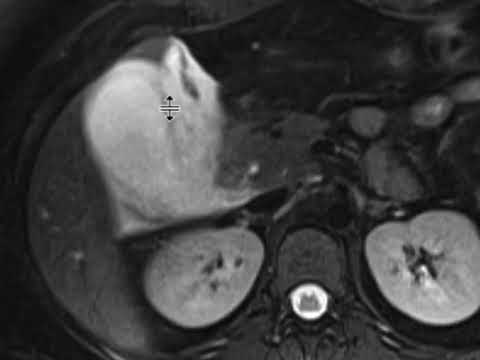
You might also hear about MRI scans. These are less common for cholecystitis but can be useful when doctors want more information without using radiation. MRIs use strong magnets and radio waves to create detailed images of organs—it’s kind of like having an x-ray but way cooler!
- Advantages: Great for looking at soft tissues; no radiation!
- Disadvantages: More expensive and sometimes uncomfortable due to the extended time inside the machine.
If these methods don’t give enough info, some doctors might recommend a CCholescintigraphy, often simply known as a HIDA scan. This involves injecting a small amount of radioactive material into your bloodstream to see how well your gallbladder takes it up. It’s particularly useful for detecting acute cholecystitis when other imaging fails.
- Advantages: Very specific for gallbladder function issues.
- Disadvantages: Involves small amounts of radiation; results may take longer than other methods.
The choice of technique really depends on a variety of factors like availability, patient condition, and previous findings. Ultimately, what matters is getting a clear image that helps healthcare providers make informed decisions about treatment options!
You see? Even though there are multiple imaging modalities available for diagnosing cholecystitis, knowing their strengths and limitations helps doctors choose the best one based on individual needs. So next time you hear someone mention these techniques, you’ll know exactly what they mean!
Exploring Imaging Techniques for Gallstone Diagnosis: A Scientific Overview
So, let’s talk about gallstones. They can be a real pain, literally! When someone has gallstones, diagnosing them accurately is super important. That’s where imaging techniques come into play. There are several ways to spot gallstones, and each method has its own perks and quirks.
Ultrasound is often the first technique used to look for gallstones. It’s non-invasive and doesn’t use radiation, which is a big plus. A technician waves a small device called a transducer over your abdomen while you lie down. This thing sends out sound waves that bounce back to create images of your gallbladder. If there are stones hanging out in there, they’ll usually show up as dark spots against a lighter background.
Then we have CT scans, or computed tomography scans. This technique combines many X-ray images from different angles to produce cross-sectional images of the body. It can give doctors a much clearer view of the gallbladder and surrounding areas compared to ultrasound. But hey, keep in mind that CT scans do involve radiation, so they’re not always the first choice if you can avoid it.
MRI, or magnetic resonance imaging, can also be helpful here! It uses magnetic fields and radio waves instead of radiation to create detailed images of organs inside your body. It’s particularly good for spotting complications related to gallstones or cholecystitis—that’s when your gallbladder gets inflamed because those pesky stones are causing trouble.
And let’s not forget about HIDA scans, which stands for hepatobiliary iminodiacetic acid scan. This one might sound like some kinda mouthful, but here’s the deal: during this test, you get an injection of a tiny amount of radioactive material that shows how well your gallbladder and liver are working. If there’s blockage caused by gallstones, it’ll show up in these images too!
- The downside? HIDA scans take longer than other methods and involve some pretty cool tech—and yes, some slight radiation.
- If that wasn’t enough options for you, there’s also endoscopic ultrasound (EUS). This one combines endoscopy (looking inside with a camera) with ultrasound technology.
This technique allows docs to see very small stones that might get missed on other tests since they’re basically right up close! However, it requires sedation and is more invasive than standard ultrasounds.
No matter the technique chosen for diagnosing gallstones or related issues like cholecystitis, each method contributes unique insights that help doctors make informed treatment decisions—and that’s what really matters!
The key takeaway here? Imaging techniques like ultrasound and CT scans play vital roles in diagnosing gallstone-related conditions but come with their pros and cons. So next time someone mentions going through these tests, you’ll know exactly what they’re talking about!
Evaluating Diagnostic Tools for Cholecystitis: A Comprehensive Analysis in Medical Science
So, you’re curious about how doctors figure out if someone has cholecystitis, huh? Well, this is all about diagnosing that painful condition where your gallbladder gets inflamed. It can be quite a handful, but thankfully there are some solid tools that help in spotting it.
First off, let’s talk about what cholecystitis actually is. It typically occurs when bile builds up or when a gallstone blocks the cystic duct. The result? Pain and discomfort that can really ruin your day. Not fun at all!
When it comes to diagnosing cholecystitis, doctors usually rely on a couple of key methods—like ultrasound and CT scans. Here’s the scoop:
- Ultrasound: This is often the first go-to method for docs. They use sound waves to create images of your gallbladder. It’s non-invasive and super handy since it can show gallstones or swelling without any radiation.
- CT Scans: If the ultrasound isn’t quite enough, they might turn to a CT scan. It gives really detailed images and can show complications that might not be visible with ultrasound. However, it involves radiation, so it’s not always the first choice.
- HIDA Scan: Sometimes called a cholescintigraphy test, this one checks how well your gallbladder works. They inject a radioactive tracer into your bloodstream and then take images over time. If your gallbladder isn’t showing up properly on the scan, you might have cholecystitis.
- X-rays: While these aren’t super common for diagnosing cholecystitis directly, they can sometimes help rule out other issues in the abdomen.
Now, here’s something cool about these techniques: each has its pros and cons! Ultrasound is great because it’s fast and no radiation’s involved; however, it can miss things sometimes if there’s excess gas in the intestines or if you’re overweight. On the flip side, while CT scans give clearer images—they’re more invasive in terms of potential risks from radiation exposure.
Also interesting is how certain symptoms play into using these diagnostic tools. Like let’s say a patient shows up with severe pain in their upper right abdomen along with nausea or fever—the array of imaging options starts right away.
But hey—consider this: despite advancements in tech and methods available today, there’s still an element of human intuition involved! A seasoned doctor will often draw on their experience alongside these diagnostic tools to piece together clues from history or physical exams.
It’s like a puzzle: every imaging technique sheds light on different pieces of information surrounding suspected cholecystitis—and together they help clinicians get closer to an accurate diagnosis.
Anyway—hopefully that clears things up for you regarding how doctors tackle diagnosing cholecystitis! It’s pretty impressive what modern medicine can do these days while making sure patients get diagnosed accurately and timely without unnecessary hassle.
Cholecystitis, which is just a fancy term for inflammation of the gallbladder, can cause a lot of pain and discomfort. Imagine feeling a sharp ache in your upper abdomen after eating something greasy. Not fun, right? This is where radiology techniques come into play, helping doctors figure out what’s going on inside of you.
When it comes to diagnosing cholecystitis, several imaging methods are available. Ultrasound is often the first step. It’s like using sound waves to see inside your body without any surgery or radiation. This technique can show if your gallbladder is swollen or if there are stones blocking the way. Picture this: you’re lying down with a gel on your belly while a technician glides a little wand across your skin. It might feel strange, but in just a few minutes, you could have some answers.
Now, if the ultrasound isn’t completely clear or if there’s still a question in the doctor’s mind, they might turn to CT scans or MRIs. These methods give more detailed images and help identify complications that could arise from cholecystitis—like what happens if that inflammation spreads or leads to an infection.
I remember my friend’s mom had gallbladder issues a couple of years ago. She felt off for days before finally going in for an ultrasound. It turned out she had cholecystitis! The relief was palpable when they detected it early enough; she didn’t need surgery straight away and ended up making some dietary changes that helped her heal without major interventions.
So yeah, radiology techniques aren’t just about fancy machines—they’re lifesavers! They help catch issues like cholecystitis early on, allowing for quicker treatment and better outcomes overall. It’s pretty amazing what technology can do these days but don’t forget: listening to your body and getting checked out when something feels off is equally crucial!