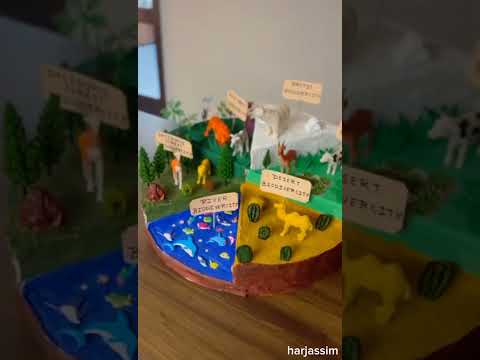
Did you know there are more species of beetles than any other type of animal on Earth? Yeah, it’s true! Something like 350,000 kinds of them. Crazy, right?
You might be thinking, “Why should I care about beetles?” Well, they’re just one piece of our planet’s mind-blowing puzzle. From the tiniest microbes to the largest whales, Earth’s biodiversity is a treasure chest waiting to be explored.
I remember this time when I stumbled upon a butterfly garden. Honestly, I had no idea butterflies were so… well, different! Each one was like a little masterpiece—so colorful and unique. It made me realize how much beauty and diversity surrounds us.
So let’s chat about why celebrating this rich biodiversity matters. Science plays a huge role in revealing these wonders and getting everyone excited about protecting them. You’ll see—it’s not just for scientists in lab coats; it’s for all of us!
Celebrating Biodiversity Day: Engaging Scientific Insights and Activities for Conservation
Every year, we celebrate Biodiversity Day, and it’s a pretty big deal! This day focuses on the amazing variety of life on Earth. I mean, think about it. We’ve got millions of species, from tiny insects to massive whales, all contributing to the planet’s health and beauty. This celebration isn’t just about recognizing what we have; it’s also about understanding why it’s essential to protect it.
So, you might be wondering: what is biodiversity anyway? Well, it’s all about the variety of living things in a particular area or on our planet as a whole. This includes different species, genetic variations within those species, and the ecosystems they form together. Essentially, more biodiversity means a healthier environment because each species plays a unique role.
Engaging with biodiversity is not just for scientists! **You** can help in various ways:
- Participate in Local Clean-Ups: Cleaning up neighborhoods or parks can make a huge difference. Trash not only spoils beautiful areas but also threatens wildlife.
- Create Wildlife Habitats: Even small gardens can attract butterflies or bees if planted wisely! Native plants often provide food and shelter.
- Citizen Science Projects: Join initiatives that track local wildlife sightings. It helps researchers gather data while you enjoy time outdoors!
You know what’s really cool? Engaging with your community sparks interest in conservation too! Talk about the different species around you—like those cheeky squirrels or colorful birds. Share fun facts you discover online or through local workshops. The more people know about their local ecosystems, the more they might want to protect them!
Activities for Biodiversity Day can also include educational events like nature walks or workshops led by local scientists. Imagine discovering hidden gems in your area—a rare flower or an elusive bird! Participants often leave feeling inspired and eager to learn more.
For schools, this day is an excellent opportunity for kids to connect with nature through hands-on activities—like building bug hotels or planting trees. It’s these small actions that plant seeds of curiosity about science and our environments.
You might hear some folks say that preserving biodiversity is essential for our survival too—keeping ecosystems balanced means cleaner air and water. It affects everything from the food we eat to how we deal with climate change.
I remember one time at a community festival where we released baby turtles into a nearby pond after learning how polluted habitats affect their survival rates. The joy on kids’ faces was priceless when they saw these little guys swim away toward safety! Moments like that remind us how connected we are to nature.
The bottom line? Celebrating Biodiversity Day isn’t just one day of activities; it’s an ongoing conversation about understanding and acting responsibly toward our planet’s richness. By getting involved today, you’re helping ensure future generations can experience the wonders of our world!
Top 5 Effective Strategies for Promoting Biodiversity in Scientific Research and Conservation
Alright, let’s talk about biodiversity! It’s like nature’s treasure chest, full of different species and ecosystems. Keeping it healthy? Super important for our planet’s well-being. Here are some effective strategies to promote it in scientific research and conservation.
- Community Involvement: Getting locals involved is game-changing. When communities engage in conservation efforts, they develop a sense of ownership. Like, imagine a small town coming together to clean up a local river or protect a nearby forest. Their firsthand knowledge about local wildlife can provide incredible insights for researchers!
- Education and Outreach: Knowledge is power, right? Schools and organizations can run programs that teach kids and adults about biodiversity. Workshops or interactive sessions spark curiosity. Remember the last time a teacher took you on a field trip? It sticks with you. Similarly, hands-on experiences in nature create memories that inspire people to care more.
- Collaborative Research: Partnering with other scientists leads to better results. Think of it as having an epic team on a project! Different perspectives bring unique solutions to problems in conservation. So when researchers from various backgrounds come together—ecologists, climatologists, even social scientists—they can tackle biodiversity issues from multiple angles.
- Citizen Science: This one’s pretty cool! When everyday folks contribute to scientific research, it opens up tons of opportunities for data collection. Picture this: ordinary people observing birds or plants in their backyards and reporting their findings online. Projects like eBird allow enthusiasts to help track bird populations while having fun!
- Sustainable Practices: Promoting sustainability can reduce negative impacts on biodiversity. Simple changes in farming or fishing practices can make big differences—like how certain fishing techniques minimize bycatch (non-target species caught unintentionally). Farmers using organic methods also help maintain healthy ecosystems.
The thing is, celebrating Earth’s rich biodiversity isn’t just the job of scientists; it’s everyone’s gig! By implementing these strategies and involving people from all walks of life, we can inspire protective actions toward our planet’s incredible variety of life forms and habitats.
Understanding the Significance of International Biodiversity Day in Scientific Awareness and Conservation Efforts
International Biodiversity Day is like a global reminder that the earth is alive with all sorts of amazing creatures and plants. Celebrated on May 22 each year, it’s not just a day for scientists to feel good about their work; it’s also a call for everyone to pay attention to the biodiversity around us. Seriously, without biodiversity, life as we know it would crumble.
So, why does this matter? Well, every single species, from the tiniest bug to the biggest whale, plays a role in our ecosystem. They all interact in ways that keep everything in balance. For instance, bees help pollinate flowers which leads to more plants and food for animals and us. If those bees start disappearing, we could have big problems down the line.
One cool aspect of International Biodiversity Day is that it helps raise awareness. Scientists use this day to share information about why preserving biodiversity is crucial. Think about your own backyard or local park—you might not realize how much life exists there until someone points it out! Events often include nature walks or community picnics where families can learn about local wildlife.
Another vital point is conservation efforts. Biodiversity Day emphasizes the need for protecting habitats like forests, wetlands, and oceans which are homes for countless species. You know how sometimes you see signs at parks asking people not to litter? That’s part of larger efforts to keep these habitats safe.
Through outreach programs that come alive on this day—like workshops or school projects—people get engaged with science in a hands-on way. Kids learning about different species can spark lifelong passions! I remember visiting an aquarium once and being so fascinated by jellyfish that I started reading everything I could find about marine biology.
So here’s what International Biodiversity Day boils down to:
- Awareness: Understanding how important biodiversity is for our survival.
- Conservation: Taking steps to protect ecosystems.
- Education: Engaging communities in scientific dialogue.
In short, by celebrating biodiversity, we’re really celebrating life on Earth itself. And every little effort counts! Whether it’s attending local events or just taking time to appreciate nature during your daily walk, you’re part of something bigger than yourself! That’s what makes it truly special!
You know, it’s pretty amazing when you stop and think about how diverse life on Earth really is. I mean, we’ve got everything from tiny ants marching in a line to the majestic blue whale swimming deep in the ocean. Each species has its own story, its own role in the environment. That diversity is like a tapestry, woven together with colors and textures that make our planet vibrant and alive.
I remember this one time I went hiking with some friends, and we stumbled upon a hidden waterfall surrounded by all these crazy plants and animals. Seriously, it felt like stepping into a different world. We spotted some funky fungi growing on trees, watched butterflies flitting around like they were in a dance competition, and even saw a deer peeking through the bushes. It hit me then how interconnected everything is—the way each organism relies on another for food or shelter or even just to keep the air clean.
But here’s the thing: all this incredible biodiversity is under threat. Habitat destruction, pollution, climate change—these are just a few of the challenges our planet faces today. And as much as it can be overwhelming to think about what we’re up against, science steps in like this super cool detective story where researchers are unraveling mysteries of life every day.
Scientists study ecosystems to understand how they work and why they matter. They’re collecting data that helps us see patterns—like how certain species might indicate the health of an environment or how losing one could set off domino effects across ecosystems. It’s fascinating! And then there’s outreach—getting that scientific knowledge out into communities so everyone can get involved.
A couple of weeks ago, I attended an outreach program at my local park focused on urban wildlife. The volunteers showed us how to attract birds to our yards or create friendly habitats for bees and butterflies. There were kids running around with butterfly nets and people sharing tips on composting—everyone was getting into it! It was clear that understanding biodiversity isn’t just for scientists; it’s something each of us can connect with personally.
And honestly? There’s something beautiful about bringing science and community together. When people learn about local species or habitats in their area, they start caring more deeply about protecting them. It’s not just a series of facts; it’s about real connections—the ones you feel when you see a majestic hawk soaring overhead or hear frogs croaking at dusk.
So while it can sometimes feel like we’re fighting an uphill battle to celebrate this rich biodiversity through science and outreach, those small steps matter so much more than we realize. We have moments of connection that remind us there’s still beauty out there worth fighting for—and together we can celebrate all these amazing bits of life on Earth!