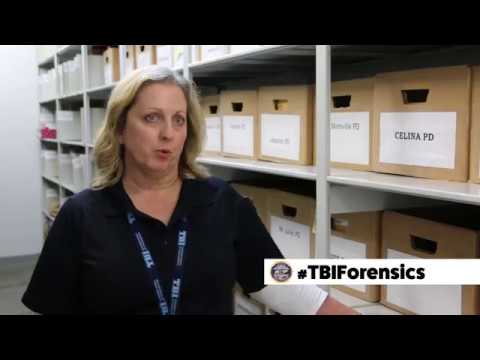
You know that moment in a crime show when they find a tiny piece of hair or a single fingerprint, and it totally cracks the case wide open? Yeah, it’s wild how the tiniest details can change everything!
Well, that’s what forensic science is all about—finding those hidden clues and piecing them together like a detective puzzle. This week, we’re celebrating all the cool innovations that have made forensic science even more mind-blowing.
From DNA testing to advanced imaging techniques, these tools are transforming how we solve crimes. So grab your favorite drink, sit back, and let’s chat about some of the coolest breakthroughs that are literally cracking cases—and maybe even making us rethink everything we thought we knew about justice!
Celebrating Innovation and Excellence: National Forensic Science Week 2025
National Forensic Science Week 2025 is all about giving a well-deserved shoutout to the amazing folks working in forensic science. You know, the people who unravel mysteries that sometimes seem impossible to solve. It’s like everyday life meets crime dramas, but much more real and way less glamorous!
During this week, which will run from September 20 to September 26 in 2025, various activities are planned to highlight the innovations and advances in forensic science. This isn’t just for the pros; it’s an opportunity for everyone to learn about what goes into solving crimes and how science can help bring justice.
So, what can we expect? Here are some exciting points of focus:
- Innovative Techniques: Forensic scientists use cutting-edge technologies like DNA analysis and fingerprint recognition that sound like they’re straight outta a sci-fi movie. Imagine being able to match a tiny drop of blood found at a crime scene to a suspect with high confidence!
- Collaboration: Many organizations team up during this week, including law enforcement agencies, universities, and forensic labs. They’ll share knowledge and work together on initiatives aimed at enhancing investigation processes.
- Public Engagement: Events might include workshops or demonstrations where you can see some of these techniques in action. Who wouldn’t want to watch a live demo on how investigators analyze evidence? It’s kind of like being part of your favorite detective show!
- Acknowledging Excellence: There’ll be awards given out too! Recognizing outstanding achievements in forensic science encourages continuous improvement and innovation. Excellence deserves celebration!
- The Future: Discussions often center around future technologies—like artificial intelligence in criminal investigations or developments in digital forensics. It’s super cool to think about how these advancements could change the game.
Forensic science is so diverse! You’ve got specialists in toxicology who figure out if someone was poisoned, or ballistics experts who analyze bullets and gun patterns. It’s mind-blowing how many little details each case holds!
If you’ve ever watched crime shows with your friends or family (who hasn’t?), you probably have an idea of just how intricate this field can get. The stories behind each case are often heartbreaking but also fill you with respect for those dedicated to bringing closure.
So as we get closer to National Forensic Science Week 2025, remember it’s not just about celebrating innovation; it’s also about appreciating the hard work that goes into keeping our communities safe! Each step forward in technology means better tools for solving crimes—and hopefully bringing justice.
This year will certainly honor those contributions while inspiring future generations interested in joining this amazing field!
Celebrating National Forensic Science Week 2026: Advancements and Innovations in Forensic Science
National Forensic Science Week 2026 is all about highlighting the cool stuff happening in forensic science. You know, the field that combines science and crime fighting to help solve mysteries? From DNA analysis to fingerprinting, forensic science has totally evolved over the years.
So, let’s chat about some recent advancements and innovations that are making waves in this area.
- Drones in Crime Scene Analysis: Yep, drones are now a thing! They can capture aerial views of crime scenes, which helps investigators understand the layout better. It’s like looking at a puzzle from above.
- AI and Machine Learning: Artificial intelligence is super smart nowadays! Algorithms can help analyze vast amounts of data quickly. Picture this: AI sifting through thousands of images to find similarities. That saves time and gives detectives more leads!
- Sophisticated DNA Analysis: Remember when DNA testing took ages? Well, with newer techniques like Next Generation Sequencing (NGS), scientists can now read DNA much faster. This means quicker answers for cases—like finding out if someone’s been at a crime scene.
- Digital Forensics: With all our gadgets around, cybercrimes are on the rise. Digital forensics focuses on recovering data from devices. Whether it’s unlocking a phone or retrieving deleted emails, it plays an important role in modern investigations.
- Toxicology Advances: The advances in toxicology can detect new drugs and poisons much more efficiently now. If someone has been poisoned, testing blood samples with advanced methods gives immediate insight into what was used.
And here’s something personal: one time I watched a documentary about how forensic scientists identified remains using just a tiny piece of clothing found at the scene. They could match it to a missing person’s last known outfit through textile analysis! It blew my mind how much you could learn from such little clues.
Overall, celebrating National Forensic Science Week not only showcases how far we’ve come but also inspires future generations to think critically and approach problems scientifically. It’s amazing what innovation can do when combined with determination and knowledge! So, whether you’re intrigued by law enforcement or have an eye for science, there’s so much happening that makes forensic science super exciting right now!
Exploring National Forensic Science Week: Engaging Activities and Insights in the Science of Crime Investigation
National Forensic Science Week is such an intriguing celebration, right? It’s that time of year when we shine a spotlight on the incredible work done by forensic scientists. They’re the unsung heroes behind many crime investigations, using science to solve mysteries that boggle the mind.
So, what’s up with this week? Well, it’s all about raising awareness and appreciation for the role forensic science plays in our justice system. From analyzing DNA to examining evidence from crime scenes, these professionals help crack cases that might otherwise go unsolved.
During this week, you can usually find all sorts of engaging activities happening in various places. Here are a few examples:
- Workshops: Many organizations host hands-on workshops where you can learn about different forensic techniques. It’s like stepping into the shoes of a detective! Imagine dusting for fingerprints or even learning how to collect evidence properly.
- Public Demonstrations: Some departments hold live demonstrations showcasing techniques like blood spatter analysis or hair comparison. It’s fascinating to see how much detail can be pulled from something as simple as a strand of hair!
- School Programs: Schools might organize special sessions focused on forensic science topics. Kids get excited about solving “mysteries,” and it sparks an interest in science and critical thinking skills.
- PANEL DISCUSSIONS: Experts often come together to discuss recent advancements in the field. Ever heard of forensic psychology? It intertwines behavior with investigations and it’s mind-blowing how they profile someone based merely on evidence!
Now, let me hit you with a personal story here. I remember watching this one show—that popular cop drama—where they solved a cold case thanks to new DNA technology that had just been developed. It was dramatic! But beyond the entertainment factor, it made me realize how crucial these advancements are in real life too.
Forensic science is not just about solving whodunits; it’s also deeply rooted in technology and innovation. Over recent years, there have been amazing breakthroughs like Nanolab Technology, which helps in identifying substances at incredibly small scales. Can you believe that? This means even the tiniest particles can provide intel!
Another thrilling aspect is the use of virtual reality. Some investigators now employ VR tools to recreate crime scenes! This is changing how training is done—trainees can step into a “virtual” scene without disrupting actual evidence or disturbing sensitive locations.
However, despite all these advances, there are challenges too: budget constraints for labs, backlogs of samples waiting for testing—the reality of doing such crucial work isn’t always glamorous.
So if you find yourself curious during Forensic Science Week or even afterward—look up your local events! This isn’t just about celebrating scientists; it’s about inspiring future generations who could make their own breakthroughs one day.
In short, National Forensic Science Week is more than just an event—it’s a heartfelt recognition of everyone involved in unraveling the mysteries behind crimes using scientific methods. And who knows? You might just find yourself inspired to explore this fascinating world yourself!
You know, when I think about Forensic Science Week, it really hits me how much the field has evolved. I mean, just a few decades ago, detectives relied heavily on good ol’ shoe prints and fingerprints. Fast forward to today, and we’ve got things like DNA analysis, digital forensics, and even advanced imaging techniques that can uncover evidence hidden in plain sight.
I remember reading this story about a cold case that was cracked open after years of being stuck in the archives. A detective found new evidence because of advances in DNA technology. It’s amazing how just a small sample can lead to a breakthrough. It must feel incredible for families who finally get answers they’ve been seeking for so long. You can imagine the mix of emotions—relief, sadness, but also closure.
And it’s not just about solving crimes; forensic science plays a role in understanding many other aspects of our society. Take environmental forensics, for example! This part studies pollution and illegal dumping to hold people accountable—it’s so cool that science helps protect our planet while investigating crime!
What truly fascinates me is how diversified forensic science has become. We’ve got specialists who focus on everything from blood spatter patterns to analyzing social media activity for clues! So many different angles to explore!
Celebrating innovations in this field is more than just recognizing achievements; it’s about honoring those who dedicate their careers to justice. The excitement around Forensic Science Week reminds you of those little breakthroughs that change lives—both of victims and those wrongfully accused.
So yeah, every year when this week rolls around, it feels like a reminder that the pursuit of truth never stops evolving and improving. And honestly? That gives me hope!