You know what’s wild? There are more species of ants on Earth than there are humans. Seriously! That’s like if every person had a whole army of tiny, leggy friends.
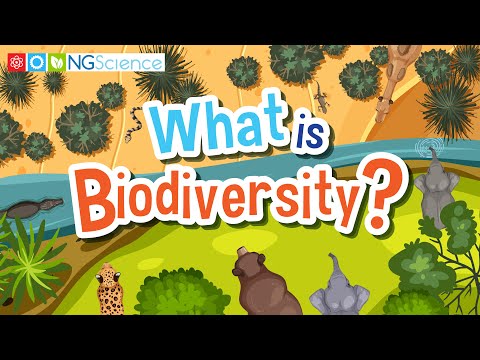
Biodiversity is the name of the game, my friend. It’s all about the variety of life we have around us—plants, animals, fungi, you name it! And guess what? Each one plays a role in keeping our planet buzzing along smoothly.
Imagine your favorite pizza. It’s not just cheese, right? You’ve got toppings galore—pepperoni, mushrooms, bell peppers—each adding its own unique flavor. Biodiversity works the same way for ecosystems.
So why should we care? Well, every little piece contributes to a bigger picture that affects us all—food supply, clean air, water… You get the idea! Let’s chat about why this colorful patchwork of life is crucial for everything from your backyard garden to the forests and oceans we love so much.
Understanding Biodiversity: Its Significance and Impact in Biological Science
Biodiversity is one of those words that sounds fancy but has a simple meaning. Basically, it refers to the variety of life on Earth, encompassing all living things—from tiny bacteria to towering trees and everything in between. So when we talk about understanding biodiversity, we’re diving into what makes the web of life so rich and interconnected.
Now, why should you care about biodiversity? Well, it’s crucial for ecosystems. Each species plays a role, whether it’s providing food, helping with pollination, or breaking down waste. Imagine a forest. If one species goes extinct, it can mess up the whole system. Birds might not be around to eat insects that are munching on plants. Without those birds, plants suffer and the whole ecosystem could collapse—you see how that works?
Biodiversity also boosts resilience. Ecosystems with a wide range of species can adapt better to changes like climate change or disease outbreaks. For example, think about a garden. If you only plant tomatoes and a blight hits, you’re done for! But if you grow various veggies and flowers together, some might survive even if others don’t.
Then there’s the importance of genetic diversity. This means having different versions within a species. Let’s say we have two types of wheat: one that grows well in dry climates and another that’s great in wet ones. If climate conditions shift dramatically, having both types means farmers have options to grow what will thrive best under the new conditions.
It’s not just about what lives here and now; it’s also about potential future benefits. Think back to medicine—many drugs come from plants and animals you wouldn’t even think were useful. Aspirin originally came from willow bark! The more diverse our natural world is, the more chances we have to discover new medicines or solutions to problems we haven’t even faced yet.
And let’s not forget how biodiversity affects human wellbeing directly. Healthy ecosystems provide clean air and water—and yes—even things like recreation opportunities! You ever gone hiking in a place loaded with diverse wildlife? Feels pretty awesome!
So when we talk about understanding biodiversity’s significance and impact in biological science, remember this: it shapes our world fundamentally. Without it? We’d struggle way more than we do now with just about everything.
It’s like this web connecting every living thing; pull one thread too hard or cut it altogether, and who knows what might happen? That’s why scientists study it closely—they’re trying to figure out how to protect these connections for ourselves and future generations too!
Exploring the 10 Essential Importance of Biodiversity in Scientific Research and Environmental Sustainability
Biodiversity is like the spice of life for our planet. It refers to the variety of living things, from plants and animals to fungi and microorganisms. Now, you might be thinking: why does all this matter? Well, when we talk about scientific research and environmental sustainability, biodiversity plays a crucial role. Let’s break it down.
- Ecosystem Stability: A diverse ecosystem is more resilient. Imagine a garden with different flowers and plants. If one type gets sick or dies, others can thrive and keep the garden alive. This balance is vital for stable environments.
- Resource Availability: Different species contribute unique resources like food, medicine, and materials. For instance, some fruits have nutrients that others don’t. The more diverse your options are, the healthier your diet can be!
- Pollination: Many plants depend on different pollinators like bees or butterflies to reproduce. Fewer species mean less effective pollination, which directly affects food production.
- Disease Regulation: Biodiversity helps control diseases naturally. For example, some species may act as natural predators to pests that could harm crops or spread diseases.
- Climate Regulation: Various ecosystems play a part in climate regulation. Forests sequester carbon dioxide while wetlands help control flooding by absorbing excess rainwater.
- Cultural Value: Biodiversity holds cultural significance too! Many communities rely on specific plants or animals for traditions and practices that are passed down through generations.
- Scientific Insights: Studying different organisms can lead to breakthroughs in science—think of how many medicines come from plant compounds! Without diversity, potential cures might just fade away.
- Aesthetic and Recreational Enjoyment: Nature’s beauty comes from its variety! Hiking in a forest filled with diverse trees or snorkeling in vibrant coral reefs provides enjoyment for many people—it’s good for mental health!
- Ecosystem Services: Ecosystems provide services that benefit humans without us even realizing it! From clean water filtration by wetlands to soil fertility from decomposers—these services are essential for survival.
- Youth Engagement: When young people get involved with nature through activities like birdwatching or gardening it fuels interest in conservation efforts—a future generation passionate about preserving what they’ve seen.
Each point we touched on isn’t just an isolated fact; it all interconnects in this big web of life we call Earth. Biodiversity is fundamental not just for nature but also for human existence—you feel me? When we protect our planet’s diversity, we’re not just saving pretty flowers; we’re safeguarding our own future too!
The Vital Importance of Biodiversity in Biological Ecosystems: An In-Depth Analysis
Sure, let’s chat about biodiversity and why it’s such a big deal in ecosystems.
First off, biodiversity refers to the variety of life forms you find on Earth. That includes everything from tiny bacteria to giant whales, and all the plants and fungi in between. You know what? It’s not just a bunch of random creatures hanging out together. They all play distinct roles that keep the planet ticking along smoothly.
One of the key reasons biodiversity is vital is that ecosystems rely on complex interactions. Think about a forest. It’s not just trees standing around; they’re connected to each other and their environment through roots, leaves, and even dead wood. This connection supports various insects, birds, and mammals. If one species disappeared—say, certain bees—there would be fewer plants pollinated. Fewer plants mean less food for herbivores and so on up the food chain.
Speaking of food chains, here’s where it gets interesting: biodiversity helps with resilience. Imagine a local drought or disease outbreak hitting your area. A diverse ecosystem can bounce back better than a homogenous one because different species can handle stressors in unique ways. Some plants might thrive in dry conditions while others may resist pests better so there’s always something healthy hanging around.
And oh boy! Let’s not forget about ecosystem services. These are benefits we get from nature that we often take for granted—like clean air, fresh water, and fertile soil. Healthy biodiversity contributes to these services: forests filter our air; wetlands act as sponges during floods; pollinators help with crop production. If you wipe out different species from these ecosystems, it jeopardizes all those services we depend on.
In my own life, I remember visiting a coral reef once—it was like being inside an underwater rainbow! All those colors and creatures vividly highlighted how interconnected everything was. The fish relied on the coral for shelter while corals depended on algae for energy during sunlight hours. If either side falters due to climate change or pollution? Well then those beautiful reefs start dying off—making everything worse.
So yeah, when biodiversity dips too low for comfort, we face serious consequences like increased vulnerability to diseases or pest outbreaks—like how monoculture farming can wipe out entire crops when one disease hits.
To wrap it up:
- Biodiversity promotes ecosystem resilience, helping them adapt and survive challenges.
- It supports essential ecosystem services, which directly benefit us.
- Every species has its role; loss of any can disrupt the whole system.
- Diversity leads to stability, akin to having more friends with various skills—you’re more prepared for anything!
So there you have it! Biodiversity isn’t just some fancy term; it’s crucial for keeping our Earth healthy and thriving!
Biodiversity, wow, where do you even start? It’s like the spice of life in our ecosystems! Imagine walking through a rainforest or a coral reef. You see all this vibrant life—plants, animals, tiny microorganisms—each playing their own part in a grand symphony. That variety is biodiversity, and it’s super crucial for keeping everything balanced.
You know, I once took a hike in the woods with some friends. We stumbled upon this little pond teeming with frogs, dragonflies buzzing around like they were at a party. That scene was bursting with life! Each creature there has its role: frogs munching on insects help keep those populations in check while plants surrounding the pond provide shelter and food for other species. It’s a constant give-and-take, and when one piece is missing, you can feel it throughout the whole system.
Biodiversity isn’t just cool to look at; it’s essential for health and survival too. Different species contribute to things like pollination of crops or decomposition of waste. Think about how bees buzz around from flower to flower—they’re not just cute little insects; they’re helping grow our food! Without bees doing their thing, we’d be facing some serious trouble getting those tasty fruits and veggies on our plates.
But here’s the kicker: humans are changing things up big time. Habitat destruction, pollution, climate change—you name it! Each small action we take can have ripple effects across ecosystems. When you lose biodiversity, it’s like pulling one thread from a tapestry; before you know it, whole sections can start to unravel.
Lately, there’s been more buzz about conservation efforts and protecting endangered species. And while that’s awesome and necessary, it really starts with us appreciating what we have right now. Every time we opt for more sustainable choices—like supporting local farmers or reducing plastic use—we’re helping safeguard that beautiful web of life.
So basically, biodiversity isn’t just some fancy term scientists throw around; it’s the lifeblood of ecosystems everywhere. Embracing that variety keeps our planet thriving—and let’s be real—it makes the world more interesting too!