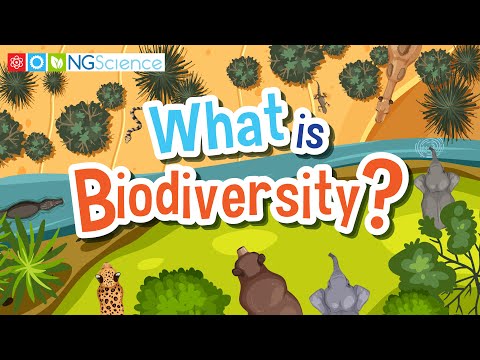
You know that moment when you’re walking down a trail and spot a crazy-looking bug? Like, how did it even get there? That’s biodiversity for you! It’s all the different plants, animals, and tiny creatures hanging out on our planet.
Imagine if we had just one type of tree or only bluebirds flying around. Boring, right? Biodiversity spices things up. It’s like the ultimate party where every species brings their unique vibe. And trust me, each one plays a role in keeping everything balanced.
So, why does this matter? Well, think of healthy ecosystems as a giant web. You pull on one thread, and the whole thing could unravel. This is why biodiversity isn’t just some fancy term; it’s crucial for our survival and the survival of all living things!
Exploring the Five Key Impacts on Biodiversity: Insights from Ecological Science
Biodiversity is like the web of life. You’ve got all these different plants, animals, fungi, and microorganisms that make up our ecosystems. But you know, it’s not just about having a bunch of different species hanging around. The health of our planet relies on this diversity in powerful ways. Let’s dig into five key impacts on biodiversity and why they matter to our ecosystems.
1. Ecosystem Stability: Biodiversity helps ecosystems resist disturbances, like diseases or climate change. Imagine a forest with various types of trees. If a disease hits one species, others can keep the ecosystem stable and functioning. More species mean more resilience.
2. Resource Availability: Different species provide various resources like food, medicine, and raw materials. Take bees for example; they’re crucial for pollinating many crops we depend on for food. If bee populations decline due to habitat loss or pesticides, we could face serious food shortages! Pretty scary, right?
3. Nutrient Cycling: You might not think about it often, but biodiversity plays a huge role in nutrient cycling in nature. Microorganisms break down dead material and recycle nutrients back into the soil, which helps plants grow again. Without these tiny creatures doing their jobs, the soil gets depleted over time.
4. Climate Regulation: Healthy ecosystems help regulate the climate by storing carbon and influencing weather patterns. Think about forests acting like sponges that absorb carbon dioxide from the atmosphere! If we lose biodiversity due to deforestation or urbanization, this natural balance gets disrupted.
5. Cultural Value: Biodiversity also enriches our cultural experiences—think art inspired by nature or traditional medicines derived from plants! Many cultures rely on their surrounding biodiversity for spiritual reasons too. It creates a connection with nature that’s deeply rooted in identity.
These impacts show that every little piece of the puzzle counts when it comes to maintaining biodiversity! Protecting it isn’t just about saving cute animals; it’s essential for our survival too! So next time you hear about biodiversity loss, remember this—it’s about us all living together on this planet we call home!
Understanding the Significance of Ecosystems: Top 5 Benefits for Science and Society
Alright, let’s chat about ecosystems! You know, those super intricate webs of life that include everything from the tiniest microbes to the biggest animals on the planet? Yeah! They play a crucial role in keeping our world balanced. So, what’s the deal with them, and why should we care? Here are five big benefits of ecosystems, especially when it comes to science and society.
1. Biodiversity Boosts Resilience
Ecosystems thrive on diversity. The more species there are, the sturdier the ecosystem tends to be. Think of it this way: if one type of plant or animal struggles or even disappears due to disease or climate change, others can step in and fill that gap. Just like in a team sport where every player brings something unique, biodiversity ensures that nature can adapt and bounce back from stressors.
2. Natural Resource Provision
Ecosystems give us tons of resources we can’t live without—like food, medicine, and clean water. Forests produce fruits and nuts; oceans teem with fish; and wetlands filter pollutants from water sources. Can you imagine having no plants for food or no clean drinking water? Yeah, that’s why maintaining healthy ecosystems is critical for our survival!
3. Climate Regulation
Another huge perk? Ecosystems help regulate our climate! Trees absorb carbon dioxide while producing oxygen—pretty neat, huh? Wetlands act like sponges by soaking up excess rainfall and reducing flooding risks. It’s like they’re nature’s built-in air conditioners! By keeping these systems intact, we can help combat climate change more effectively.
4. Soil Health
Healthy soil is essential for growing crops—obviously! Ecosystems contribute to soil fertility through decomposition processes where dead plants and animals break down into nutrients. Microorganisms work their magic in the soil too! They help create a nurturing environment for plants’ roots to thrive. In short, thriving ecosystems lead to vibrant agriculture which feeds us all!
5. Cultural & Recreational Value
Lastly—and this one’s super important—ecosystems enrich our lives culturally and recreationally. Parks and natural reserves provide spaces for relaxation, recreation, and connection with nature. They inspire art, spirituality, and community cohesion as people gather in these beautiful places to share experiences or simply enjoy a quiet moment among trees or by a river.
So yeah! Those are just five key reasons why ecosystems matter not just for science but for all of us as part of society too! Recognizing their value helps drive efforts towards conservation—you know? When we understand what we stand to lose without them, it becomes easier to fight for their preservation!
10 Crucial Reasons Why Biodiversity Matters in Science and Ecosystem Health
Biodiversity is like the Earth’s spice rack. It makes life interesting and healthy! When we talk about biodiversity, we’re looking at all the different plants, animals, fungi, and microorganisms that live together in an ecosystem. You might not realize it, but this variety is super important for science and the health of our planet. Here’s why:
1. Ecosystem Stability
Diverse ecosystems are generally stronger and can handle changes better. For example, when a pest wipes out one species, others can step in to keep things balanced.
2. Food Security
Biodiversity ensures we have a range of crops and livestock to eat. If we rely only on a few species, like just one type of wheat, we’re in big trouble if disease hits!
3. Medicinal Resources
Many medicines come from plants and animals. Just think about how many drugs are derived from natural compounds. Losing biodiversity means losing potential cures.
4. Pollination
A ton of our food needs pollinators like bees and butterflies to thrive. If they disappear? Well, so might some of our favorite snacks—like berries or almonds!
5. Climate Resilience
Diverse ecosystems help combat climate change by storing carbon and regulating weather patterns. They’re like nature’s safety net for extreme weather events.
6. Cultural Significance
Different cultures value various species for spiritual or traditional reasons. Losing biodiversity could mean losing unique traditions that have lasted generations.
7. Economic Value
Eco-tourism thrives on biodiversity; people flock to see diverse wildlife or beautiful landscapes! This creates jobs and supports local communities.
8. Scientific Research
Biodiversity fuels scientific discovery! Explorations into genetic diversity lead to breakthroughs in agriculture or conservation efforts that benefit us all.
9. Soil Health
Healthy soil relies on diverse organisms breaking down organic matter and cycling nutrients, which helps crops grow strong.
10. Interconnectedness of Life
Every species plays a role in its ecosystem; they’re all connected! Removing one can cause a domino effect that disrupts the entire system.
So yeah, keeping biodiversity alive is crucial for us as humans! It’s more than just pretty flowers or cute animals—it’s literally about our survival on this planet! Protecting it means protecting ourselves too.
You know, biodiversity is one of those words that gets thrown around a lot, but it really just means variety. It’s about all the different plants, animals, and microorganisms that live together in different habitats. I remember a trip I took to a rainforest once—it was like stepping into a whole new world. There were towering trees, vibrant flowers, and creatures of all shapes and sizes buzzing around. It was overwhelming and beautiful at the same time! That’s biodiversity in action.
So, here’s the thing: biodiversity is super important for ecosystems. Imagine a big puzzle where each piece represents a different species. If you lose some pieces—like certain plants or animals—the whole picture becomes incomplete. Each species plays its role; they’re all connected. For instance, plants produce oxygen and food through photosynthesis while providing habitat for insects and animals. Predators help keep herbivore populations in check, which prevents overgrazing. It’s this intricate web of interactions that keeps our ecosystems healthy.
But here’s where it gets a bit scary: human activities are impacting biodiversity like never before. Deforestation, climate change, pollution… you name it. When we lose species, we’re not just losing cute animals or pretty flowers; we’re risking the balance of entire ecosystems! Just think about it: fewer bees could mean less fruit on our tables because they pollinate so many crops.
And while it might seem overwhelming to tackle such huge issues, protecting biodiversity can start with small actions that anyone can take—like planting native species in your garden or supporting local conservation efforts.
So yeah, let’s appreciate the wild diversity around us! It’s easy to overlook nature when you’re rushing through life, but just taking a moment to breathe it in can make all the difference—not just for us but for every living thing on this planet too.