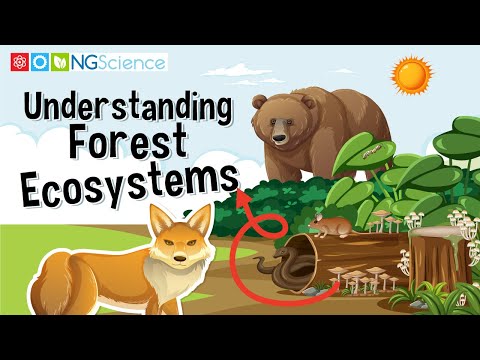
So, let me tell you a little story. A few summers back, I decided to go hiking in this gorgeous forest. I thought I was just going to get some fresh air and maybe a little exercise. But guess what? I ended up being totally blown away by the wild world around me!
I mean, did you know that a single tree can be home to all sorts of creatures—like birds, bugs, and even mushrooms? Like a mini city right there in the forest! Just think about how everything is connected. Plants chatting with each other through their roots, animals relying on each other for survival… it’s like nature’s own Netflix series!
And here’s the thing: forests are more than just pretty places to take selfies. They’re bustling ecosystems packed with fascinating interactions that make our planet tick. You feel me? Each tiny creature plays a role that supports not just their buddies but also us humans too.
Biodiversity? It’s not just an academic term; it’s like the secret sauce that keeps everything running smoothly. So let’s wander through these leafy neighborhoods and see what makes them so special!
Exploring Types of Interaction in Forest Ecosystems: A Scientific Overview
Forest ecosystems are like bustling cities filled with all sorts of life, and the interactions happening there are truly something to marvel at. You have plants, animals, fungi, and even microorganisms working together in various ways to create a balanced environment. Each one has its role, and it’s pretty fascinating to see how they all depend on one another.
One of the coolest interactions is mutualism. This is when two species benefit from each other. Think about bees and flowers. The bees go buzzing around gathering nectar to make honey, while they inadvertently help flowers by spreading pollen as they move from plant to plant. It’s a win-win! The flowers get pollinated, and the bees get their tasty reward.
Commensalism is another interesting type of interaction. Here’s where one species benefits while the other isn’t really affected either way. For example, birds often build nests in trees. The birds get a safe place to raise their young, while the tree doesn’t gain or lose anything from this relationship. Pretty neat, right?
Then there’s predation, which you might know about already. This is where one organism (the predator) eats another organism (the prey). Think of foxes hunting rabbits or owls swooping down on mice at night. These relationships help keep populations in check and ensure that no single species dominates the forest.
A more intense interaction is called parasitism. In this case, one species benefits while harming another—think ticks on deer or mistletoe on trees. It can be sad seeing the harm done to some trees by parasitic plants but such interactions remind us about nature’s intricate dance of life and death.
You also can’t forget about symphony. In forests, fungi play crucial roles as decomposers; they break down dead organic matter like fallen leaves and decaying wood. This process recycles nutrients back into the soil so plants can grow. Without these little powerhouses working behind the scenes, nutrient cycling would be severely compromised.
- Nutrient cycling: Fungi decompose matter and return essential nutrients to the soil for plants.
- Diversity: Different species interact in unique ways that create a rich tapestry of life.
- Habitat creation: Trees provide shelter for countless organisms from insects up to birds!
The list goes on—competition for resources like light, water, or nutrients happens constantly among trees trying to reach new heights in a race for sunlight! But this competition isn’t just brutal; it also maintains diversity within the forest ecosystem as different species find their niches.
<pso if you ever find yourself wandering through a forest and hear those rustling leaves or chirping birds? just think about all unseen connections happening around! feeling small amidst such vast diversity reminds us how interconnected life really is—even we sometimes forget it amid our busy lives!
Exploring Interactions in Rainforest Ecosystems: A Scientific Perspective
Rainforests are like the planet’s treasure chests, buzzing with life and filled with amazing interactions. Seriously, the complexity of these ecosystems is mind-blowing. But what do I mean by interactions? Well, it’s all about how living things connect with each other and their environment.
First off, biodiversity in rainforests is off the charts. We’re talking about thousands of species—from towering trees to tiny insects—that all play a role in this intricate web. Each species has its own niche. For instance, animals like monkeys and birds disperse seeds, helping new plants grow. Without them, many trees wouldn’t be able to spread their roots!
Then you have those brilliant symphonic relationships. Take the case of ants and trees. Some trees produce sweet nectar that attracts ants. In return, these tiny guardians protect the tree from herbivores—like those pesky caterpillars that just want to munch away. It’s a win-win situation! You scratch my back; I’ll scratch yours.
Now let’s talk about predator-prey dynamics. Picture this: jaguars stealthily prowling through the underbrush looking for their next meal while capybaras graze nearby. Each animal affects the other’s population and health—if jaguars catch too many capybaras, there aren’t enough of them left to keep eating all that grass! Balance is key.
Speaking of balance, let’s not forget about nutrient cycling. It sounds technical but basically means how nutrients go round and round in an ecosystem. Dead plants and animals decompose to enrich the soil—think rotting leaves providing food for fungi and bacteria that then feed living plants! This keeps everything fresh and thriving.
You might think rainforests are isolated worlds unto themselves, but they’re actually connected in surprising ways. For example, rainforests help regulate global climate. They absorb carbon dioxide and produce oxygen through photosynthesis—a fancy word for how plants turn sunlight into food! By keeping our atmosphere balanced, they contribute to a healthier planet overall.
The beauty of these interactions is also emotional; I once visited a rainforest where sunlight pierced through the leafy canopy, illuminating vibrant flowers swarming with butterflies and hummingbirds flitting around joyfully—it felt like nature was putting on a show just for me! It made me appreciate how each species has its part in this grand ballet of life.
In essence, exploring these layers of interaction helps us understand not just how rainforests thrive but also why we need to protect them. Each connection matters because if one goes awry—due to deforestation or climate change—the whole system can falter. And who wants that? So remember: every little bug or big tree plays a role in keeping this magnificent ecosystem alive!
Exploring Interrelationships in Forest Ecosystems: A Case Study of Fungi and Tree Symbiosis
Forests are like bustling cities, filled with countless interactions. Among these relationships, one of the most fascinating is between trees and fungi. It’s a classic case of teamwork in nature, where both sides benefit in super interesting ways.
Mycorrhizal Fungi, that’s the name of these helpful fungi, live in the soil and connect with tree roots. Imagine them as nature’s internet, spreading out through the earth. They help trees absorb water and nutrients like nitrogen and phosphorus—stuff that’s essential for growth but not always easy to get from the soil.
When a tree grows taller and stronger thanks to these nutrients, it can capture more sunlight through its leaves. That’s like leveling up! But here’s the kicker: while trees get all this help, they’re also sharing something back with fungi. They produce sugars through photosynthesis—basically food for themselves—and they send some of that goodness down to their fungal buddies through their roots. It’s a give-and-take relationship; they’re both feeding each other!
Now think about the woodland floor during autumn, when leaves fall and start decomposing. This is where fungi really shine! They break down dead organic matter, recycling nutrients back into the soil. Trees depend on this process to stay healthy. Without fungi doing their thing, forests would struggle to thrive because they’d run out of nutrients over time.
Here’s another cool detail: different species of trees can be connected by these mycorrhizal networks. Picture it like a big social network for plants! When one tree is stressed or sick—like if it’s running low on water—it can send signals through these underground fungal pathways to nearby trees, asking for help. It’s almost as if they’re looking out for each other!
You know what else? Fungi aren’t just there for the trees; they also provide habitats for all sorts of creatures—from insects to small mammals that live in or around rotting wood or fallen leaves. So you’ve got this entire ecosystem thriving because of these tiny fungi working hard beneath our feet.
If you were ever curious about what keeps a forest healthy and vibrant, look no further than this hidden world below ground where trees and fungi form unbreakable bonds—a partnership that supports life above us in ways we often overlook.
In summary,
- Mycorrhizal fungi help trees absorb essential nutrients from the soil.
- Trees share sugars with fungi as food.
- Fungi decompose dead organic matter, recycling nutrients back into the ecosystem.
- Trees communicate stress signals through mycorrhizal networks.
- Fungi create habitats that support various forest creatures.
This beautiful relationship is just one example of how interconnected life is in forest ecosystems—a reminder that every little player has a role in keeping things balanced!
You know, when I think about forests, I can’t help but remember that time I went hiking with a friend. We were wandering through this dense woodland, sunlight streaming through the leaves, and it just felt like magic. The sounds of chirping birds, rustling leaves, and even the distant trickle of a stream created this incredible atmosphere. It hit me then how everything in that forest was connected in ways we often don’t see.
Forest ecosystems are like these intricate webs of life. You’ve got your towering trees that provide shade and shelter, while below them are multiple layers of plants, fungi, and critters all doing their thing. And trust me, it’s not just a pretty picture; it’s serious business! Each species plays a role, whether it’s pollinating plants or breaking down dead material to enrich the soil. It’s almost like they have this unspoken agreement to keep everything balanced.
But here’s where it gets really cool: biodiversity! A forest rich in diversity is more resilient. If one species struggles or disappears due to changes like climate or disease—well, the rest can often adapt or fill that gap. But if there’s too little variety? Things can spiral out of control pretty quickly.
And let’s not forget those quirky relationships that make it all more interesting! Think about trees communicating through underground networks formed by fungi. Seriously! Trees send nutrients to each other and warn each other about threats through these hidden channels. It’s kind of touching when you think about it—like they’re part of a big family keeping an eye out for one another.
So next time you find yourself in a forest, take a moment to soak it all in. Each sound and sight is part of a grand tapestry woven over generations. It’s comforting to know that these ecosystems have survived so much throughout history—fires, storms, human impact—you name it! And yet they continue to thrive in their own way.
In short, forests remind us how interconnected we all are—humans included—and how vital it is to cherish and protect these natural havens for both the creatures living there and our own wellbeing too. It’s something worth thinking about every time you step into the woods!