You know that feeling when you’re chilling by a lake, maybe skipping stones or just soaking up the sun? It’s all fun and games until you realize there’s a whole universe swirling beneath the surface. Seriously!
Lakes aren’t just big ol’ puddles. They’re bustling communities filled with life, where fish, plants, and all kinds of critters hang out. Ever seen a frog catch a fly? That’s teamwork in action!
But here’s the kicker: each creature plays its part in this watery world. From tiny zooplankton to majestic swans, it’s like an intricate web of connections. So many interactions happening right under your nose!
That’s what lake ecology is all about—getting into the nitty-gritty of who lives where and how they all get along. Let’s jump into this fascinating world together! You’ll never look at your favorite lake the same way again, you know?
Exploring Lake Ecology: Interactions and Biodiversity in Freshwater Ecosystems
Lake ecology is a fascinating field! It’s all about understanding how different organisms interact with each other and their environment in freshwater ecosystems. When you think of lakes, you probably picture still waters, maybe a few ducks swimming around, and maybe even some fish. But honestly, there’s so much more happening beneath the surface!
Let’s start with biodiversity. Basically, this term means variety—like having tons of different species living together. In lakes, you’re going to find everything from tiny microorganisms to big fish. This variety is crucial because it helps maintain the balance in the ecosystem. If one species disappears, it can create a ripple effect (pun intended). For instance, think about how some fish rely on aquatic plants for shelter while those plants help clean the water. If the plants die off due to pollution or climate change, it can lead to fewer fish!
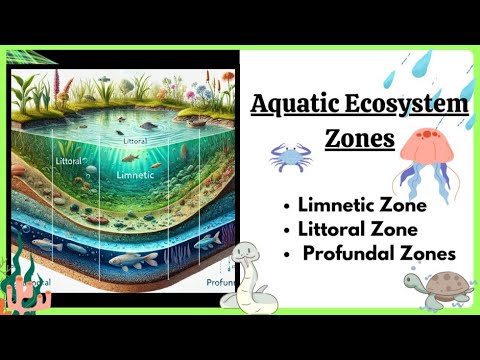
There are **three main zones** in a lake that define different habitats:
- Littoral Zone: This is where the sunlight penetrates all the way to the bottom and supports aquatic plants. It’s like a buffet for many species!
- Limnetic Zone: This is open water where sunlight can still reach but not all the way down to the bottom. Here you’ll find lots of plankton and small fish.
- Profoundal Zone: This area is deeper and darker—most sunlight doesn’t reach here. It’s mainly home to decomposers that break down organic matter.
Now let’s talk about interactions! Every organism plays its part in an ecological drama that we might not always see but is definitely there. For example, predation (that’s when one animal eats another) keeps populations in check. If there are too many prey animals like certain small fish or zooplankton, they could overconsume algae and disrupt ecosystems.
An interesting example would be how **bass** hunt **bluegills** in shallow waters during spawning season—this relationship ensures that neither population explodes uncontrollably.
But it’s not just about eating or being eaten; there are also symbiotic relationships! Take **algae** and certain kinds of bacteria for instance—they work together through photosynthesis while providing oxygen for other organisms.
So what threatens this harmony? Well, human activity plays a huge role here! Pollution from farms can lead to nutrient overloads in lakes (think fertilizers), which causes algal blooms—the green stuff that looks pretty from afar but can actually be toxic! Just like when you forget your lunch outdoors and come back to find ants invading; it’s basically nature’s way of saying “hey too much!”
In short, freshwater ecosystems like lakes are complex webs of life interlinked by various interactions among species. From biodiversity’s role in healthily functioning systems to understanding threats posed by human actions—we see nature’s story unfold in every drop of water.
And isn’t that incredible? Just remember next time you spot a lake: beneath its calm surface lies a bustling world full of life waiting for someone curious enough to explore it!
Comprehensive Notes on Freshwater Ecosystems: Key Concepts and Ecological Importance in Science
Freshwater ecosystems are, like, super important. They include lakes, rivers, and wetlands. These places are the lifeblood for so many species and offer tons of benefits to us humans too. Seriously, they help with drinking water, agriculture, and even recreation. So what’s the big deal about them? Let’s break it down.
Key Concepts
When we talk about freshwater ecosystems, it’s all about how living things interact with each other and their environment. Think of a lake; it’s not just a giant puddle of water. It’s a complex community filled with biodiversity. That means there are plants, fish, insects – you name it! Each one plays its role in keeping the system balanced.
Let me give you an example. Picture a small lake in your neighborhood. You’ve got those lily pads floating on the surface—cool right? They provide shade and shelter for little fishies below. Meanwhile, algae are munching on nutrients from the water. But too much algae can choke out other plants—like if that friend at a party talks way too much! It’s all about finding that balance.
Ecological Importance
Now let’s get into why these ecosystems matter so much:
- Water Filtration: Freshwater bodies act as natural filters. They remove pollutants before they reach our rivers or oceans.
- Biodiversity Hotspots: Lakes and rivers support more than just fish; they’re home to countless species of plants and animals!
- Nutrient Cycling: Nutrients flow through these systems as organisms die and decompose—which helps new life thrive!
- Cultural Value: Freshwater locations often hold cultural significance for communities that live nearby—like fishing traditions or festivals.
But here’s the kicker: As I mentioned earlier, balance is key! Too many nutrients can lead to problems like algal blooms that suffocate life. I remember once visiting a local lake where this happened—it looked like something out of a sci-fi movie with bright green goo everywhere! Not what you want to see when you’re looking to catch some fish or enjoy nature!
Lakes: Unique Features
Focusing on lakes specifically—that’s where we see some really cool interactions between organisms:
– **Stratification:** During warmer months, lakes can develop layers based on temperature—this affects oxygen levels.
– **Food Webs:** Fish eat smaller creatures like zooplankton while birds might munch on those fish; it’s interconnected!
– **Habitat Diversity:** Different zones like shorelines or deeper waters provide habitats for various species—the shallow end is great for young fish while deeper areas offer refuge from predators.
When all these factors come together in a healthy way, you’ve got thriving ecosystems that sustain wildlife and us alike!
In short, freshwater ecosystems are essential not just for ecological balance but also for human survival and enjoyment. Those sparkling lakes? They’re teeming with life waiting to be appreciated!
Comprehensive Guide to Types of Freshwater Ecosystems: An In-Depth PDF Resource for Environmental Science
Freshwater ecosystems are, like, super important to our planet. They’re those watery places where you can find lakes, rivers, streams, and wetlands. Each of these systems has its own vibe and community of living things. So let’s break down these ecosystems a bit and see what makes them tick.
Lakes are probably the most well-known freshwater bodies. They can be big or small and often have zones like the littoral zone (the edge), pelagic zone (open water), and benthic zone (the bottom). Each zone is home to different plants and animals. For instance, in the littoral zone, you might spot some cool plants like cattails or lilies. These guys provide food and shelter for fish like bass or bluegill.
Then we get into rivers. They’re always flowing, right? This movement creates a unique habitat. You’ve got riffles (fast-moving sections) and pools (calm spots). The riffles can host insects that fish just love to munch on. Speaking of fish, trout often prefer colder streams while catfish might hang out in warmer waters.
Let’s not forget about wetlands. These areas are kinda like nature’s sponge; they soak up water and help filter it too. Wetlands come in many forms—like marshes or swamps—and provide a home for all kinds of life. Frogs croak their hearts out at night while birds like herons stalk their dinner through the reeds.
You know what’s really interesting? The interactions within these ecosystems! For example, think about a fish swimming in a lake. It’s not just chilling alone; it’s interacting with its environment all the time! It eats insects that live on the water surface and hides among plants to avoid bigger fish or birds.
When discussing biodiversity in freshwater systems, it’s crucial to note how different species depend on each other. Plants provide oxygen through photosynthesis while animals contribute nutrients back into the water when they die—kind of a cycle of life situation going on there!
Human impacts can really shake things up too! Pollution from agriculture or industry might lead to algal blooms that suck oxygen from the water while development destroys habitats where fish spawn. This means fewer species can thrive over time!
Looking at all this stuff reminds me of when I went fishing with my uncle as a kid. We’d go out by this quiet lake early in the morning; mist would hover over the water, making everything feel so magical! It was fascinating watching him explain how everything fit together—the plants feeding fish which fed us!
So yeah, freshwater ecosystems are definitely more than just pretty bodies of water—they’re complex networks that support countless life forms while doing essential work for our environment every day!
Lakes are like hidden worlds, you know? When you look at one, it might just seem like a big body of water, but underneath the surface, there’s a whole bustling community going on. It’s honestly kind of magical when you think about it.
I remember this one time I visited a lake during summer break with some friends. We were just splashing around and having fun when I decided to dip my hand in the water. Out of nowhere, a little fish came right up to me! It’s funny how a simple moment like that can spark curiosity. I started wondering what else was swimming around in there or hidden among the plants on the bottom.
Lake ecosystems are super complex and diverse. You’ve got everything from tiny zooplankton to larger fish, and even birds swooping down for a snack. Each species plays its role in keeping things balanced; it’s kinda like being part of an unspoken agreement where everyone has something important to contribute. If too many fish are caught and eaten by birds, for instance, that can lead to an overgrowth of algae since there aren’t enough fish to munch on them. See? All interconnected!
And let’s not forget about those pesky invasive species! They can really shake things up in lakes that have been stable for ages. Imagine introducing something new that starts taking over and outcompeting local species—like if a new kid comes into school and takes all the attention from everyone else!
The biodiversity in freshwater systems is crucial not just for the lake itself but for all the creatures that rely on it. Frogs need clean water to thrive; plants provide oxygen; insects break down organic matter—without these connections, everything could fall apart pretty quickly.
But here’s something to think about: With climate change and pollution threatening these habitats, we really have to step up our game if we want future generations to enjoy those magic moments by the water’s edge. Protecting lakes isn’t just about keeping nature pretty; it’s about preserving an intricate web of life that’s been developing for millennia.
So next time you’re near a lake or any body of water, take a moment—look closer than just the surface because there’s so much more going on beneath it all! And who knows? You might be inspired by its quiet beauty too!