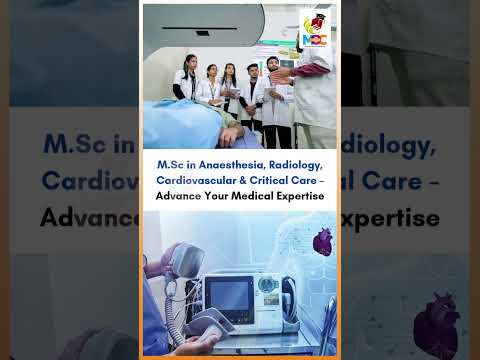
So, picture this: you’re in the doctor’s office, feeling a bit anxious about that weird lump you found. Suddenly, a friendly face appears—it’s not just the doctor but a whole team of people working behind the scenes to help you. That’s the magic of allied health sciences!
These folks are like the unsung heroes of healthcare. You’ve got everyone from radiologists to physical therapists, and they all play crucial roles in keeping us healthy. It’s not just about doctors and nurses; it’s a whole squad dedicated to our well-being.
I mean, have you ever stopped to think about how many different professionals are involved in your care? It’s kind of wild! The way they collaborate, share knowledge, and bring their unique skills together can totally make or break someone’s recovery.
So let’s talk about how this cool team works and why allied health sciences are super important in advancing healthcare for all of us!
Exploring the Highest Paying Allied Health Careers in the Field of Science
Sure, let’s talk about some of the highest paying allied health careers. If you’ve ever thought about a career in healthcare, but not as a doctor or nurse, this world’s got some pretty intriguing options.
Allied health professionals are kinda like the unsung heroes of medicine. They provide essential services that help patients recover and lead healthier lives. From radiologists to respiratory therapists, these roles can offer solid salaries and job security.
Radiation Therapists are specialists who administer radiation treatment for cancer. Their work is crucial, and they can earn a nice salary, often upwards of $80,000 a year! Imagine being part of a team that’s literally helping people fight cancer—that’s impactful stuff.
Then we have Physician Assistants (PAs). These folks do a lot! They examine patients, diagnose conditions, and even prescribe medication under doctors’ supervision. Experienced PAs can make over $100,000 annually. It’s like being a doctor but without going to med school for a decade!
Next up is the Medical Laboratory Scientist. They analyze blood samples and other bodily fluids to help doctors diagnose conditions. This role is super important behind the scenes and offers salaries that can reach around $75,000 to $90,000 per year.
Let’s not forget about Occupational Therapists (OTs). They help people regain skills after injuries or illnesses—kinda like personal trainers for daily activities! OTs often earn around $80,000 or more yearly depending on their experience.
Another interesting option is being an Ultrasound Technician. You know those images doctors use to check out what’s happening inside our bodies? Yeah, ultrasound techs create those! Their salaries typically hover around the $75,000 mark.
Lastly, there are Nurse Practitioners (NPs), who have become increasingly vital in healthcare settings. NPs can perform many tasks similar to doctors and usually bring in between $100,000 to $120,000 each year! It’s quite the responsibility but also super rewarding.
Thinking back on my own experiences visiting hospitals as a kid really shows how these careers come together. I remember vividly how comforting it was when someone walked me through what was happening with my health—it mattered so much! Folks working in allied health often provide that same comfort to others today.
So yeah, if you’re considering a path in healthcare but want something with less schooling than becoming a doctor—and possibly better hours—these allied health careers might just be your ticket. Each role plays its part in making healthcare effective and compassionate!
Exploring the Value of an Allied Health Degree in the Science Field: Is It Worth the Investment?
So, let’s talk about an allied health degree and whether it’s worth your time, money, and energy. You might be thinking: “What exactly is allied health?” Well, basically, it includes a bunch of healthcare professions that aren’t doctors or nurses. Think about people like physical therapists, radiographers, and dietitians—these folks make a huge difference in patient care!
Investing in Your Future
You may wonder if getting an allied health degree is really a solid investment. On one hand, tuition can feel like a mountain to climb. But look at it this way: the healthcare industry is always growing! This means there’s usually a steady demand for qualified professionals. In fact, some studies show that jobs in allied health are expected to grow by over 10% in the next few years! How cool is that?
Career Opportunities
With an allied health degree, you’ll have surprising career flexibility. You could work in hospitals, clinics, or even schools! Depending on what you choose to specialize in, there are countless paths you can take:
- Physical Therapy: Help people recover from injuries.
- Occupational Therapy: Assist folks with daily living skills.
- Nutrition: Guide people on healthy eating habits.
- X-Ray Technician: Use cool tech to help diagnose issues.
And each of these roles plays a vital part in the overall healthcare system!
Skills and Knowledge
Another important aspect? The skills you pick up during your studies are super valuable. You’ll not only learn technical stuff but also develop soft skills like communication and empathy. Remember my friend Jess? She went into occupational therapy after college. She told me how her training taught her not just about anatomy but also how to connect with patients on a human level. It’s one thing to know the facts; it’s another to provide real support.
Earning Potential
Now let’s get real about money—because who doesn’t care about that? While salaries vary based on specialty and location, many allied health professionals earn decent pay. For example:
- A physical therapist assistant can earn around $50k annually.
- A radiologic technologist typically earns between $50k-$70k.
- An occupational therapist makes closer to $80k or more!
Not too shabby for making such a meaningful impact on lives!
The Bottom Line
In summary, pursuing an allied health degree can be quite worthwhile if you’re passionate about helping others and want diverse career options in healthcare. Sure, there are upfront costs and time commitments involved—like any education—but the potential job satisfaction and earning opportunities can make it all feel like an adventure worth taking.
So really think about what excites you! If making a difference in someone’s life gets your heart racing, then this path could be right up your alley!
Career Opportunities with a Bachelor’s Degree in Allied Health Science: Exploring Diverse Roles in the Health Sector
Sure thing! Let’s get into what you can do with a Bachelor’s Degree in Allied Health Science. It’s a pretty versatile field, and you might be surprised by all the options.
First off, **allied health** professionals are an essential part of the healthcare system. They work alongside doctors and nurses to deliver care to patients and help keep everything running smoothly. You’re not just looking at one specific job; there are multiple paths you can take.
So what kind of roles can you expect to find? Well, check this out:
- Physical Therapist Assistant: These folks help patients recover from injuries. They work under physical therapists, providing hands-on treatment and support.
- Radiologic Technologist: If you’re interested in imaging technology, this could be your jam! You’d operate machines that take X-rays or MRIs.
- Occupational Therapy Assistant: These people assist occupational therapists in helping patients regain skills for daily living after injuries or surgeries.
- Dietetics Technician: Nutrition is so important! Dietetics technicians support registered dietitians by implementing nutrition plans and educating clients about healthy eating.
- Health Information Management: Think about all that patient data! You’d manage health records, which is crucial for ensuring quality care and compliance with regulations.
What I find super interesting is how diverse these roles are. Like, one day you could be working directly with patients in a therapy session, and the next day you might be analyzing data to improve patient outcomes. Isn’t that neat?
Plus, many of these jobs offer room for growth. For instance, starting as a technician doesn’t mean that’s where you have to stay forever; there are opportunities to advance into management positions or specialize in certain areas.
Now let’s talk about something emotional here for a sec—imagine being the person who helps someone walk again after an accident or supports families managing diabetes through nutrition education? That’s impactful work! It gives your career a layer of meaning that goes beyond just “a job.”
Also worth noting: Allied health professionals are needed everywhere—from hospitals to outpatient clinics, schools to community health organizations. This opens up avenues not just geographically but also across different types of settings.
In terms of education, yeah, you’ll need that Bachelor’s degree mainly because it prepares you with both theoretical knowledge and practical skills. Plus, many programs include internships or hands-on experience that’ll give you a leg-up when you’re out there job hunting.
And don’t forget about networking! Getting involved with professional organizations can really help—you meet people who can guide you on your journey and might help land your dream job someday.
So if you’re thinking about diving into allied health sciences? Basically, you’re signing up for a career that’s not only varied but also vital for society’s well-being. It’s pretty cool knowing that the skills you’ll gain will truly make a difference in people’s lives each day!
You know, sometimes I sit back and think about how much we take for granted when we talk about healthcare. I mean, we see doctors and nurses doing their thing, but there’s a whole world behind the scenes making everything work smoothly. That’s where allied health comes into play.
So, picture this: you’re in a hospital. You’re not feeling so great, and you see a doctor who examines you and prescribes treatment. But then there are other folks you don’t really notice—the physical therapists, radiologists, dietitians… You get the idea. These skilled professionals are like the unsung heroes of the healthcare system. They all work together to ensure that patients receive comprehensive care.
I remember a time when my grandmother had to go through rehab after her knee surgery. She was super grumpy at first—who wouldn’t be? But thanks to an amazing physical therapist who really understood her needs, she was soon back to her feisty self. It was incredible to see how all those different experts came together for one goal: getting her back on her feet.
That’s where an Academy focused on allied health can make a real impact. By training these professionals, they’re basically building up a team of people who will elevate patient care to new heights. The cool thing is that students learn not just about theory but also practical skills—they get their hands dirty in real-world settings before they even graduate.
And you know what? This synergy is what makes healthcare more effective! When these various professionals collaborate effectively—talking about treatments, sharing insights—it leads to better outcomes for everyone involved. Like I said before, it’s like an orchestra; every instrument has its role in creating beautiful music.
So yeah, advancing healthcare through programs dedicated to allied health isn’t just important; it’s essential! It’s about building a community of compassionate individuals who can provide holistic care and actually make a difference in people’s lives. And if that doesn’t excite you about the future of healthcare, I don’t know what will!