You know that feeling when you just can’t get enough of your favorite snack? Like, you tell yourself “just one more chip,” and before you know it, the whole bag is gone? Yeah, that’s kinda what addiction feels like.
It’s wild how our brains work, right? Seriously. The stuff going on in there when we crave something—it’s like a rollercoaster of hormones and chemicals having a party.
So, why do some people seem to have more trouble stepping away from certain things than others? What makes us tick in the face of temptation? That’s where addiction neuroscience comes in to play.
We’re gonna chat about the key concepts and discoveries that help us understand this whole addiction game. Buckle up, because it’s a ride worth taking!
Understanding the 4 C’s of Addiction: A Scientific Exploration
Addiction is tricky. You might have heard about the **4 C’s of Addiction** which are **compulsion**, **craving**, **consequences**, and **control**. These concepts help us understand what people go through when they battle addiction. Let’s break it down, shall we?
Compulsion is all about that urge to use a substance or engage in a behavior even when you know it’s causing harm. Imagine it’s like your brain hijacking you—like you’re on autopilot, completely unable to resist that pull. For example, picture someone who can’t stop playing video games late into the night, even though they know they have work in the morning.
Then we have craving. This one’s pretty intense—it’s that overwhelming desire for a substance or activity. It can be triggered by just about anything—a song, a smell, or even an old friend showing up at your door with a six-pack. Those moments can hit hard! Like when I walked past my favorite ice cream shop last summer and suddenly couldn’t think of anything else.
Now let’s talk about consequences. This is where things get serious. The fallout from addiction isn’t just personal; it often affects friends and family too. People often find their health deteriorating, marriages falling apart, or jobs slipping away—all because of addiction. It creates a ripple effect that can hurt not just one person but many.
Finally, there’s control. When addiction takes hold, many lose the ability to manage their usage effectively. You might plan to have just one drink but end up going way overboard instead—suddenly you’re not controlling anything anymore; it controls you! It’s like driving a car without brakes—you’re heading for danger without much hope of stopping.
Understanding these 4 C’s sheds light on why addiction is such a complex beast. There are layers upon layers of neurological changes happening in the brain that contribute to these behaviors. So yeah, breaking free from addiction isn’t as simple as just stopping; it’s an uphill battle involving both mind and body.
In conclusion (not going to call it that!), recognizing these elements can help us empathize with those struggling with addiction while also highlighting the importance of support systems and treatment options out there to help people regain control over their lives again! Each journey is unique (just like every ice cream flavor), but understanding those 4 C’s can make all the difference in how we approach recovery together.
Exploring the Six Theories of Addiction: Insights from Behavioral Science
Addiction is like this huge, tangled ball of yarn, you know? It’s not just about the substance or behavior itself but also how our brains and environments work together. There are several theories that help unpack this mess. Let’s jump into the six main theories of addiction, straight-up.
1. The Disease Model
This theory sees addiction as a disease, like asthma or diabetes. It suggests that certain people might be biologically predisposed to addiction because of genetic factors. It’s kinda like when your friend can’t stop eating chocolate cake at a party—some folks have a harder time resisting certain things.
2. The Behavioral Model
Think of this one as learning on steroids! This model suggests that addiction is learned behavior, much like riding a bike or playing an instrument. If someone gets rewards from using a substance—like feeling good or fitting in—they’re more likely to keep doing it. Imagine getting praised for playing well; you’d want to practice more, right?
3. The Cognitive Model
So here’s where it gets interesting: this model focuses on how people think about addiction and their choices around it. It emphasizes decision-making and personal beliefs regarding drug use. If someone believes they can control their use, they may continue despite negative consequences—like thinking they can have “just one” drink at a party.
4. The Sociocultural Model
What surrounds you influences so much! This theory says that social environment plays a big role in addiction. Factors like family dynamics, peer pressure, and cultural norms shape behaviors and attitudes towards substances. Think about someone raised in an environment where drinking is the norm—they might be more likely to adopt similar habits.
5. The Biopsychosocial Model
This one combines everything! It looks at biological, psychological, and social factors all together, suggesting that addiction comes from the interplay between these elements. For example, someone might have genetic predispositions but also face stress from their job—together these could lead to addictive behaviors as coping mechanisms.
6. The Neurobiological Model
Finally, we’ve got the brain talk! This model focuses on brain chemistry and how certain substances hijack our natural reward pathways—like dopamine release when we enjoy something pleasurable (think food or love). Substances can cause such intense pleasure that it rewires our brains over time—so using drugs becomes tied to feeling good.
So yeah, each of these theories provides unique insights into why some people struggle with addiction while others don’t—even among similar backgrounds or experiences. Understanding these different angles helps create a more well-rounded view of what addiction really is—a complex mix of biology, behavior, society, and thought processes intertwined in this crazy experience we call life!
Understanding the Fundamental Concepts of Drug Addiction: A Scientific Overview
Drug addiction is a complicated beast. It’s not just about willpower or making bad choices. Basically, it’s a chronic disease that affects your brain and behavior, leading to a powerful, uncontrollable urge to use substances despite the consequences.
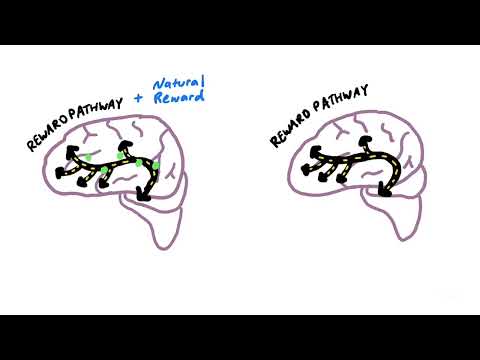
Neuroscience plays a massive role in understanding addiction. When you take drugs, they interact with your brain’s reward system. This system is all about dopamine—a neurotransmitter that makes you feel pleasure. When something good happens, like eating your favorite food or hanging out with friends, dopamine levels rise. But drugs can spike those levels way higher than natural rewards ever could.
Ever heard of the “dopamine pathway”? It’s like the highway of feels in your brain! When you use drugs, it hijacks this pathway and floods the brain with dopamine. So what happens? Your brain starts to associate drug use with intense pleasure. This is where the problems kick in because over time, your brain wants that high more than anything else.
As addiction progresses, your brain changes physically and chemically. Key areas affected include:
- The prefrontal cortex: This part helps you make decisions and control impulses.
- The amygdala: This one plays a role in processing emotions.
- The nucleus accumbens: The center for reward—where all that dopamine action happens!
Your body also adapts to regular drug use by changing its chemistry. You might start needing more of the drug to achieve the same high—this is known as tolerance. At this point, stopping becomes really tough; withdrawal symptoms kick in, making you feel sick and desperate for another hit.
This cycle can lead to various behaviors that seem irrational: lying to loved ones or spending all your cash on drugs instead of paying bills. You might start isolating yourself from friends and family as well because they don’t understand what you’re going through—or maybe they’re trying to help but don’t know how.
Your environment matters too! Factors like stress, early exposure to drugs, or having friends who use can increase your risk of addiction significantly. Remember those high school parties? Yeah, peer pressure isn’t just an awkward teenage moment; it plays into these dynamics big time.
And let’s not forget genetics! Studies show that if someone in your family has struggled with addiction, you’re at a higher risk yourself due to inherited traits affecting how your brain responds to substances.
Treatment options exist and can include therapy—like cognitive-behavioral therapy (CBT), which helps change thought patterns—or medications like methadone for opiate addiction (which helps curb cravings). Sometimes support groups offer invaluable help as well; connecting with others who understand can make a world of difference.
The path out of addiction isn’t easy—it takes time and effort—but understanding the science behind it offers hope. You see? With advancements in neuroscience and psychology, we’re learning more about how our brains work when it comes to addiction every day!
Addiction is one of those topics that can feel overwhelming, right? I mean, it’s complex, and there’s a lot going on in the brain. But when you break it down, it can be easier to grasp.
Let’s start with the basics: Addiction is basically a disorder that affects how our brain processes rewards. You know that rush you get from something you love—like your favorite dessert or scoring in a game? That’s your brain releasing a feel-good chemical called dopamine. But for someone struggling with addiction, this system gets hijacked. Instead of enjoying a little treat now and then, they’re chasing that dopamine high constantly. Imagine being stuck on a roller coaster that never stops!
I remember chatting with a friend about his battle with smoking. He said it wasn’t just about wanting the nicotine; it was like this overwhelming urge took over his entire life. Even when he wanted to quit, his brain kept telling him he needed that hit of satisfaction, and fighting against it felt impossible sometimes.
So what do scientists know about this funky business in our brains? Well, they’ve found that certain areas light up when someone is facing addiction. The nucleus accumbens and the prefrontal cortex are key players here—these regions help manage rewards and impulse control. When addiction kicks in, it’s as if those areas go haywire! Things that wouldn’t normally grab your attention become utterly irresistible.
Another interesting piece of the puzzle is understanding how genetics come into play. Some people have genes that might make them more vulnerable to addiction than others. It’s not just willpower or moral failing; sometimes it’s biology! This realization has helped shift perspectives about addiction from believing it’s purely a choice to understanding there’s often so much more behind it.
And here’s where things get even trickier: environmental factors really matter too—upbringing, social networks, stressors… they all weave into the tapestry of addiction. Imagine growing up in an environment where substance use is normalized; naturally, your brain starts associating those behaviors with safety or belonging.
But wait! Not all hope is lost here! We also learn how certain treatments can help rewire the brain over time through therapy and medication. It’s sort of like giving your brain a reset button—a chance to rebuild those pathways and find new ways to experience joy without jumping onto that roller coaster again!
So yeah, addiction isn’t just about drugs or alcohol; it’s this intricate web involving neuroscience, genetics, environment—and even our emotions! It’s definitely heavy stuff but getting deeper into these discoveries could pave the way for better strategies to support those who find themselves caught in its grip. And isn’t acknowledging these complexities crucial? You may not be able to change everything overnight but understanding them sure can help create more compassion for ourselves and others who are navigating their own journeys through this challenging landscape.