So, picture this: you’re reaching for that last slice of pizza, and BAM! Your shoulder suddenly decides it’s not in the mood for movement. Ouch, right? Well, that’s kinda what adhesive capsulitis feels like – and yeah, it’s a mouthful to say!
Turns out, your shoulder can get all stiff and cranky for no apparent reason. It’s like it just wants to chill out in one position forever. What gives?
Radiologists have a sneaky way of peeking inside our bodies with fancy imaging techniques. They help figure out what’s going on beneath the surface when shoulders start playing hard to get.
In this little chat, we’ll dig into how they diagnose adhesive capsulitis. So grab your favorite snack and let’s unravel this mystery together!
Advancements in Radiological Diagnosis of Adhesive Capsulitis: Insights and Innovations
Adhesive capsulitis, or commonly known as frozen shoulder, can be a real pain—literally. It’s that frustrating condition where you suddenly have trouble moving your shoulder. Now, when it comes to diagnosing this issue, radiological advancements have made things a lot clearer.
First off, let’s talk about what radiology brings to the table here. Traditional methods like physical exams are still vital, but imaging techniques have stepped up their game. Imagine trying to find a tiny needle in a haystack, and having a flashlight to help you out. That’s kind of what imaging does for doctors.
- X-rays: These are often the first step. They can rule out other issues like fractures or arthritis but won’t show soft tissues well.
- Ultrasound: This is getting more popular because it’s real-time imaging. It helps visualize the shoulder structures and can show inflammation around the joint.
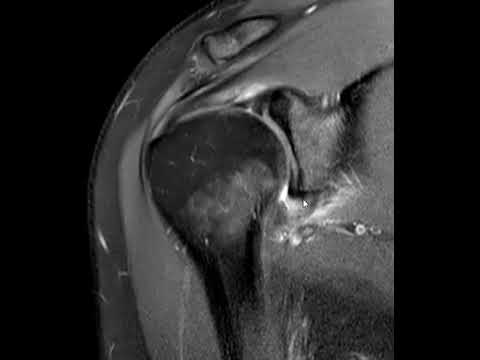
- Magnetic Resonance Imaging (MRI): This is where things get really interesting. MRIs provide detailed images of both bone and soft tissue. They can reveal thickening of the joint capsule—a clear indicator of adhesive capsulitis.
- MR Arthrogram: This involves injecting contrast dye into the joint before the MRI. It highlights issues even better! You essentially get a clearer view of how the capsule is behaving.
And, you know what? The images are becoming so detailed that they’re not just showing if there’s an issue; they’re helping to assess how bad it is, which really helps with treatment plans.
So here’s a little spin on what makes these advancements cool—AI technology. There’s been some buzz about using artificial intelligence in radiology to help identify patterns in images that might swoosh past a human eye. AI can analyze thousands of scans to spot subtle changes that indicate adhesive capsulitis early on.
Imagine being in pain for months without knowing why, and finally getting an answer through an advanced scan that shines light on what’s happening inside your shoulder!
Another important angle is patient involvement. With new tech comes the ability for patients to see their scans and understand their conditions better. If you’ve ever sat there looking at blurry images with your doctor trying to explain everything with medical jargon—it can feel overwhelming! But now you might even get clearer visuals right on your mobile device.
In this evolving world of medicine, advancements in radiological diagnosis make it way easier for clinicians to diagnose adhesive capsulitis effectively and efficiently. It feels reassuring knowing that technology isn’t just about high-tech toys; it’s genuinely improving how one feels day-to-day.
So next time someone mentions frozen shoulder or adhesive capsulitis, you’ll know there’s more than meets the eye—and that those images tell stories worth listening to!
Advancements in Radiology for Diagnosing Adhesive Capsulitis: A Comprehensive Review
Radiology plays a crucial role in diagnosing adhesive capsulitis, also known as frozen shoulder. This condition can be really frustrating. You know, it causes stiffness and pain in the shoulder, making simple tasks super hard. But thanks to advancements in radiology, doctors can now better identify and understand this issue.
Imaging Techniques have come a long way. Traditionally, X-rays were the go-to method for checking out shoulder problems. However, they often missed finer details. Nowadays, we rely on more advanced imaging techniques like Magnetic Resonance Imaging (MRI) and Ultrasound.
- MRI: This method is great for visualizing soft tissues. It helps in assessing the shoulder capsule and surrounding structures. It can show inflammation or thickening of the capsule quite clearly.
- Ultrasound: This one is really cool because it’s dynamic! Doctors can see how the shoulder moves in real-time. It’s useful for identifying fluid collections or tears in rotator cuff tendons that might mimic adhesive capsulitis.
One key thing to remember is that these imaging techniques don’t just show what’s wrong; they also help strategize treatment plans. For example, if an MRI reveals significant inflammation, your doctor might suggest physical therapy initially instead of surgery.
Furthermore, the role of Radiologists is becoming increasingly important. They don’t just interpret images anymore; they also collaborate with orthopedic specialists to discuss findings and plan patient care together. It’s like having a team on your side!
There’s also exciting stuff happening with new technologies like 3D imaging. It allows doctors to get a more detailed look at the anatomy of the shoulder joint from different angles! Imagine being able to rotate and view your joint in all directions—pretty impressive, right?
But all this tech doesn’t mean we should forget about the basics: clinical history and physical examinations are still super important for diagnosing adhesive capsulitis properly. The combination of patient history, physical tests, and advanced radiological insights creates a complete picture.
So why should you care about all this? Well, better diagnostic methods can lead to earlier intervention and ultimately more effective treatment options.
In short, advancements in radiology are changing how we diagnose adhesive capsulitis dramatically. The integration of modern imaging provides clearer insights than ever before while helping healthcare professionals design personalized treatment strategies that work for each individual patient’s needs!
Advancements in Interventional Radiology for the Treatment of Adhesive Capsulitis: A Comprehensive Overview
Alright, let’s talk about something that might sound a bit technical but is super important for many people: adhesive capsulitis, or as most people know it, frozen shoulder. Seriously, this condition can be a real pain—literally! Your shoulder gets stiff and sore, making it tough to do everyday stuff like reaching for the top shelf or even putting on a jacket. Ouch.
So, here’s where interventional radiology comes into play. It’s like a superhero for this condition. Using advanced imaging techniques, doctors can see what’s going on inside your shoulder joint without needing to perform extensive surgery. Sounds cool, right? Well, it gets better.
- Guided Injections: Through interventional radiology, doctors can do guided corticosteroid injections directly into the shoulder joint. This helps reduce inflammation and pain more effectively than just taking pills.
- Joint Distension: They can also perform something called joint distension by injecting fluid into the capsule of your shoulder. It’s like giving your shoulder a little massage from the inside! This helps stretch out the thickened tissue that’s causing stiffness.
- Regenerative Procedures: Some newer techniques involve using your own blood—like Platelet-Rich Plasma (PRP) therapy. They take a tiny bit of your blood and separate out the healing components before injecting them back into your shoulder to boost healing.
I remember my buddy Mark had frozen shoulder for months; he couldn’t even lift his arm to wave goodbye! He went through physical therapy but didn’t see much improvement until he tried one of these minimally invasive procedures with guidance from imaging tech. It was like watching dawn break after months of night!
The diagnosis part is crucial too, though. Before jumping into treatment options, doctors often rely on radiological insights. Techniques like MRI and ultrasound help visualize the soft tissues around the shoulder joint and confirm adhesive capsulitis. It helps in understanding how severe the condition is and what exact approach could work best.
You see, advancements in interventional radiology provide some seriously exciting options for treating adhesive capsulitis. Less invasive methods mean faster recovery times and hopefully fewer “why can’t I just reach that cookie jar?” moments in life! And who doesn’t want that?
If you know someone dealing with frozen shoulder or you’re curious yourself about interventional radiology treatments—just know there are more options available now than ever before!
You know, adhesive capsulitis, or as most people call it, frozen shoulder, can be a real pain—literally! I remember a friend of mine who was super active, always hitting the gym and playing sports. Then one day, she started feeling this weird tightness in her shoulder. At first, she brushed it off as just another tweak. But things got worse and soon she could barely move her arm. It was frustrating to see her struggle with something that seemed so simple to us all.
So, what’s interesting is how radiology fits into this whole picture. You might not think of X-rays or MRIs when you think about shoulder pain, but they actually play a pretty crucial role in diagnosing adhesive capsulitis. When you go to a doc with shoulder issues, they often order these imaging tests to rule out other problems—like tears in your rotator cuff or arthritis.
Here’s the thing: in adhesive capsulitis, what happens is that the capsule around your shoulder joint becomes thickened and inflamed. But on an X-ray? It can look pretty normal! That’s why doctors sometimes turn to MRI scans. MRIs show soft tissue really well and can reveal changes in the capsule itself that are characteristic of frozen shoulder.
But it’s not just about finding evidence of the condition; it’s also about understanding its stages. Adhesive capsulitis usually has three phases: freezing, frozen, and thawing. Each phase has different symptoms and radiological findings that help guide treatment options.
Yet still—imaging isn’t always foolproof! Sometimes doctors have to rely on good old-fashioned physical exams alongside radiological insights because frozen shoulder can mimic other conditions too. It’s a bit like being a detective—piecing together clues from different sources.
To wrap it up—navigating through adhesive capsulitis isn’t just about the pain; it’s also about how we understand that pain through tools like imaging. That blend of human experience with technological insight makes diagnosing conditions like this so fascinating—and honestly pretty essential for getting back on track after those frustrating months of discomfort!