You ever been outside on a windy day and thought, “Man, this breeze could power my whole house?” Well, you’re not alone! Seriously, wind is like nature’s free energy factory just waiting to be harnessed.
I remember a trip to the beach where I watched kites dancing high in the air. It hit me that those colorful kites were capturing something amazing—wind! That playful gust was doing more than making my hair a mess; it was energy in motion.
So, let’s chat about aeolic energy. That’s just a fancy way of saying “wind power.” It’s all around us, and honestly? It’s got some serious potential to shape our future. With climate change knocking on our doors, tapping into wind energy might just be one of the coolest solutions we’ve got.
Come on; let’s dig into this breezy topic and see what we can learn together!
Exploring Three Innovative Methods to Harness Energy in Modern Science
Well, let’s chat about some cool ways we can grab energy from the world around us! You know, it’s important to find sustainable energy sources as we deal with climate change and dwindling resources. Today, I want to highlight three innovative methods related to harnessing aeolic (or wind) energy. It’s pretty interesting stuff that might just blow you away—pun intended!
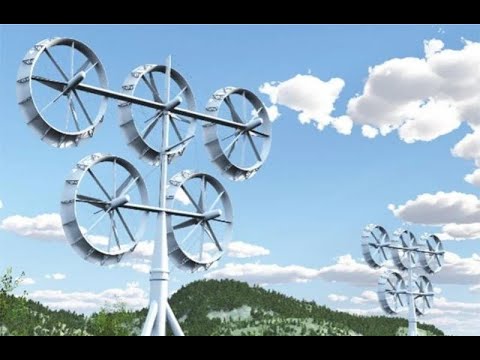
First up, we’ve got vertical-axis wind turbines. Unlike the standard ones that look like giant pinwheels turning in the wind, these sit upright. They’re great because they can catch wind from any direction. Imagine a little spinning top, but for harnessing energy! They’re ideal for urban areas where space is limited and buildings may obstruct airflow. Plus, they tend to be quieter and less visually intrusive than traditional turbines.
Next on the list are kite energy systems. Sounds wild, right? Here’s how it works: instead of stationary turbines, these systems use large kites or drones flying high up in the sky where winds are stronger and more consistent. Think about those big kites you fly at the beach, only these are pulling on a tether connected to a generator on the ground! The idea is to capture that fast-moving air up there without taking up tons of space down below—kind of like fishing in deep waters instead of shallow ones.
Last but not least is wind-enhanced building designs. This one is super creative! Architects now design buildings with special shapes or features that help funnel wind into small turbines built right into them. Imagine a tall office building shaped like a sail; the design would naturally guide breezes toward those tiny turbines at the top or sides. It’s an eco-friendly twist that turns urban infrastructure into energy producers rather than consumers.
So there you have it! Three innovative methods to tap into aeolic energy: vertical-axis wind turbines, kite energy systems, and smart architectural designs. Each approach has its perks and challenges but hey—they all share one goal: to create a sustainable future powered by clean energy sources! How cool is that?
Okay, let’s chat about aeolic energy, also known as wind energy. You know, when you feel that refreshing breeze on a sunny day? That’s wind in action! It may seem simple, but there’s a whole world of science behind using that wind to create electricity.
I remember the first time I saw a wind turbine up close. I was driving through the countryside and these gigantic white giants were spinning gracefully against the blue sky. It felt almost magical—like they were dancing with the clouds. Instantly, I was curious: how does this work?
So basically, wind turbines harness the power of that moving air to generate electricity. When the wind blows, it spins large blades connected to a rotor. This rotor is like the heart of the turbine, turning kinetic energy (you know—energy from movement) into mechanical energy first. Then it gets transformed into electrical energy through a generator inside. Pretty neat, right?
Using aeolic energy has some major perks! First off, it’s renewable—meaning we won’t run out of wind anytime soon. Plus, it doesn’t produce greenhouse gases like fossil fuels do. So every time those blades twirl around in the breeze, they’re potentially helping to reduce our carbon footprint! But there are challenges too; for instance, not every place is windy enough to support these massive structures effectively.
The thing is, as we think about building a sustainable tomorrow, it’s crucial to explore all avenues—like how we can optimize wind farms or improve technology to make them quieter and more efficient. It gets me excited because each step can lead us further along this path toward cleaner energy sources.
So next time you feel that gentle gust on your face or watch those turbines turning in the distance, remember there’s more going on than meets the eye—a whole lot of science working together for our planet’s future! Isn’t that something worth celebrating?