So, picture this: you’re lying on the beach, soaking up the sun, and suddenly it hits you—why aren’t we harnessing more of this glorious sunshine? I mean, seriously! It’s like having a massive energy drink just sitting up there in the sky.
And here’s something funny: back in ancient times, people used to think the sun was a god or something. Fast forward to now, and we’ve got panels on rooftops trying to soak up those rays. But it’s not just about those big rectangular panels anymore.
There’s this whole world of innovative solar solutions popping up everywhere! From quirky designs to fresh tech ideas that might just blow your mind. It’s about time we chatted about how we can tap into all that solar goodness in cooler ways.
Let’s face it: the future of energy is looking bright—literally! So grab a drink, kick back, and let’s dive into these mind-bending solar alternatives that could change everything.
Empowering Future Innovators: Innovative Solar Projects for Science Students
So, solar energy, huh? It’s kind of a big deal these days. You know, with all the talk about climate change and finding cleaner ways to power our lives. There’s a whole universe out there for science students looking to get into some serious solar action. Let’s break it down.
First off, let’s chat about solar panels. These glorious inventions convert sunlight directly into electricity. Picture this: you’ve got a silly-looking panel on your roof soaking up the sun like a sponge. As it absorbs light, it generates electrical energy. Pretty cool, right? Students can experiment here by building mini solar panels using kits or even recycling materials. Imagine creating your own little energy source—talk about feeling like a genius!
Now, here comes the fun part—the cool projects you can dive into:
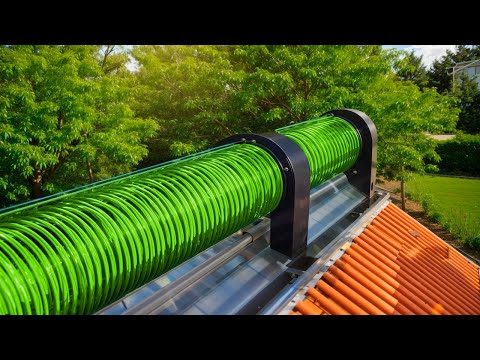
- Solar Water Heaters: This is where you can play with heat and water! By designing simple systems that capture sunlight and heat water for daily use, students get hands-on experience with thermodynamics.
- Solar-Powered Cars: Ever thought about how awesome it would be to race a car powered by the sun? Building a small model powered by solar cells teaches students about energy efficiency and mechanics.
- Solar Cookers: Who doesn’t love food? Creating a solar cooker using cardboard and aluminum foil is not only easy but also demonstrates how we can harness sunlight for cooking meals.
- Community Solar Projects: Teaming up with others to start community initiatives helps students understand how collective efforts can lead to greater impact while gaining real-world experience in project management.
You see what I’m saying? Each project gets you thinking critically while letting your creativity shine through.
Let’s not forget about the tech side of things. There are loads of innovative approaches being tossed around these days—like bifacial solar panels. These bad boys capture sunlight from both sides, maximizing energy production even on cloudy days! Students can explore why this technology matters for efficiency in their projects.
And then there’s the whole world of solar storage solutions. Batteries are vital for storing excess power generated during sunny days so you can use it when the sun goes down. Building models or experimenting with different battery types opens up discussions around sustainability and resource management.
Oh! And here’s something neat: virtual simulations! With software tools available today, students can create virtual models of solar systems without needing funds for materials or installation costs upfront.
I remember once hearing from someone who built their own tiny greenhouse powered by mini solar panels—it was such an inspiring project! They were able to grow their veggies all year round while being eco-friendly. It really showed me how personal innovation could make waves in your own backyard.
At the end of the day, empowering future innovators means giving them access to hands-on experiences that shape their understanding of renewable energy sources like solar power. The more engaging and practical we make these projects, the more students will realize they can bring change through innovation.
So go ahead! Grab those tools and ideas, gather your buddies or classmates, and start tinkering away because who knows—you might just spark the next big breakthrough in renewable energy!
Revolutionary Solar Innovation Ideas: Pioneering the Future of Renewable Energy in Science
Solar energy is such an exciting field right now, and every day, it seems like we’re stumbling upon new, cool ideas that could shake things up. I mean, who wouldn’t want to tap into that giant ball of energy in the sky? Let’s take a look at some of these revolutionary solar innovations that are pushing the boundaries.
First off, we’ve got perovskite solar cells. These guys are making waves because they’re cheaper to produce than traditional silicon solar cells and can be made flexible. Imagine being able to roll up your solar panels like a yoga mat! They are just as efficient and can be used in a ton of different applications. It’s like a game-changer for rooftops and even portable chargers.
Next up is solar skin technology. This one’s pretty neat! Basically, it allows homeowners to customize their solar panels so that they can blend in seamlessly with their roofs. You won’t even notice they’re there! This could help more people hop on the solar train since some folks worry about how those big, blue panels make their home look.
Then there’s bifacial solar panels. These bad boys catch sunlight from both sides! So rather than just collecting rays coming from above, they also snag what bounces off the ground below them. It’s like catching double the sunlight for the same footprint. In areas with high reflectivity—think snowy winters or bright soils—they can really boost energy production.
And don’t forget about solar windows. Have you heard of them? They’re basically transparent photovoltaic glass that can turn any window into a mini power plant. You could literally have your home made of electricity-producing windows while still enjoying the view outside. Imagine sitting at your desk working away and knowing those sunny rays are powering your tech!
Another cool idea is floating solar farms. Instead of clogging up land with massive arrays of solar panels, you put them on top of lakes or reservoirs! This not only generates clean energy but also reduces evaporation from water bodies, which is super important in dry areas.
Speaking of waves—have you thought about how solar energy could work with other renewable sources? Like wind? Some research suggests combining wind turbines with solar installations creates a sort of mini-grid where each complements the other depending on weather conditions. On windy days when it’s cloudy, wind might pick up while on sunny days when there’s no breeze, well—you get all those lovely rays!
There’s so much innovation happening here that it feels almost like watching science fiction unfold in real life. Just think about how these technologies could change not only our homes but entire cities! It opens up conversations about sustainability and how we can all pitch in to tackle climate change.
So yeah, keep an eye out for these revolutionary ideas—they truly represent what’s possible when creativity meets science in the world of renewable energy! Isn’t it thrilling to think we’re just at the start of this journey?
Revolutionizing Science: Cutting-Edge Renewable Energy Innovations for a Sustainable Future
Renewable energy is one of those topics that’s just buzzing with excitement, you know? It’s like a hopeful beacon in our fight against climate change. So, let’s chat about some of the cutting-edge innovations happening in solar energy that are truly turning heads.
Perovskite Solar Cells are a big name these days. They’re named after a mineral called perovskite and have this super cool crystal structure. What’s amazing about them is their efficiency—they can convert sunlight into electricity at ridiculously high rates. Traditional silicon solar panels usually hit around 20% efficiency, but perovskites can go beyond that! Plus, they’re cheaper to produce since they can be made using simpler methods.
And then there’s solar paint. Yep, you heard me right! Scientists have developed paint infused with photovoltaic materials that can turn surfaces into energy-generating units. Imagine slapping this paint on your house or even your car and not just having it look nice but also generating power? That’s pretty mind-blowing if you think about it!
Another exciting development is bifacial solar panels. These babies capture sunlight from both sides instead of just the front. It’s like they’re multitasking—so while they’re soaking up sun directly, they’re also harnessing light reflected off the ground or surrounding surfaces. This dual capability can increase overall energy production significantly!
Don’t forget about solar farms with tracking systems. These farms use technology to follow the sun across the sky throughout the day. By angling themselves to always face the sun, they can produce way more energy than static panels. You could say it’s like having a personal assistant for your solar panels—helping them do their very best!
Also worth mentioning are floating solar panels. Just picture huge arrays of solar panels sitting on top of lakes or reservoirs! This not only helps generate power without taking up valuable land but also reduces evaporation from water bodies—two birds, one stone!
And here’s something for thought: combining solar energy tech with battery storage systems. Energy generated during sunny days can be stored and used when it’s cloudy or at night. This integration ensures a steady supply of power no matter what! Batteries have come a long way and now offer impressive capacity while being more efficient and less harmful to the environment.
To wrap it all up: innovations in renewable energy aren’t just pie-in-the-sky ideas; they’re actually happening right now and reshaping our approach to sustainability. With advancements like perovskite cells, solar paint, bifacial panels, tracking systems, floating solutions, and smart batteries leading the charge, we might just be looking at a future where clean energy is accessible to everyone—how cool is that? So keep an eye on these developments; they really could revolutionize how we think about—and use—energy moving forward!
So, let’s chat about solar energy for a bit. You know, when you hear “solar energy,” you might picture those shiny panels on rooftops, soaking up sunlight. That’s the classic approach, right? But there’s a whole world of innovative ideas popping up that are shaking things up in the solar scene. It’s pretty cool to see what people are coming up with.
I remember this documentary I watched about a guy who turned his entire backyard into a solar garden. It was wild! He had all kinds of plants mixed in with solar cells that look like leaves. Imagine your garden not only being beautiful but also generating power! It’s like nature and technology having a little dance together, don’t you think?
Now, there are more alternative approaches emerging that could make solar energy even more accessible. For instance, there’s this concept called “solar paint.” Basically, scientists are working on creating paint that can absorb sunlight and convert it into electricity. Just think about it: one day you might be able to coat your walls with this special paint instead of slapping on traditional panels.
Another interesting one is flexible solar cells. They’re super lightweight and can be attached to nearly any surface—think clothes or even backpacks! That’s some next-level stuff right there! It opens up so many possibilities for powering small devices on the go without bulky equipment.
And then there’s the integration of solar technology into everyday items, like windows that generate energy while still letting light in. I mean, wow! Imagine sitting by your window and knowing it’s doing its part to power your home. It kind of changes how we think about buildings and their roles in our lives.
But here’s the kicker: while all these innovations sound fabulous—and they really are—there’s still a long road ahead for widespread adoption. It takes money, research, and sometimes a lot of testing before these ideas hit the mainstream market. And unless we put effort into making them affordable and widely available, they might just stay as cool concepts.
So yeah, while we’ve got some pretty neat alternatives to classic solar solutions developing out there, it’s crucial for us to support those efforts if we want them to shine bright in our future energy landscape!